Ultra-processed foods make up more than half of the calories in the typical American diet. They’ve become one of the hottest topics in nutrition, and federal agencies are now working on an official definition. Here’s what we know.
What are ultra-processed foods?
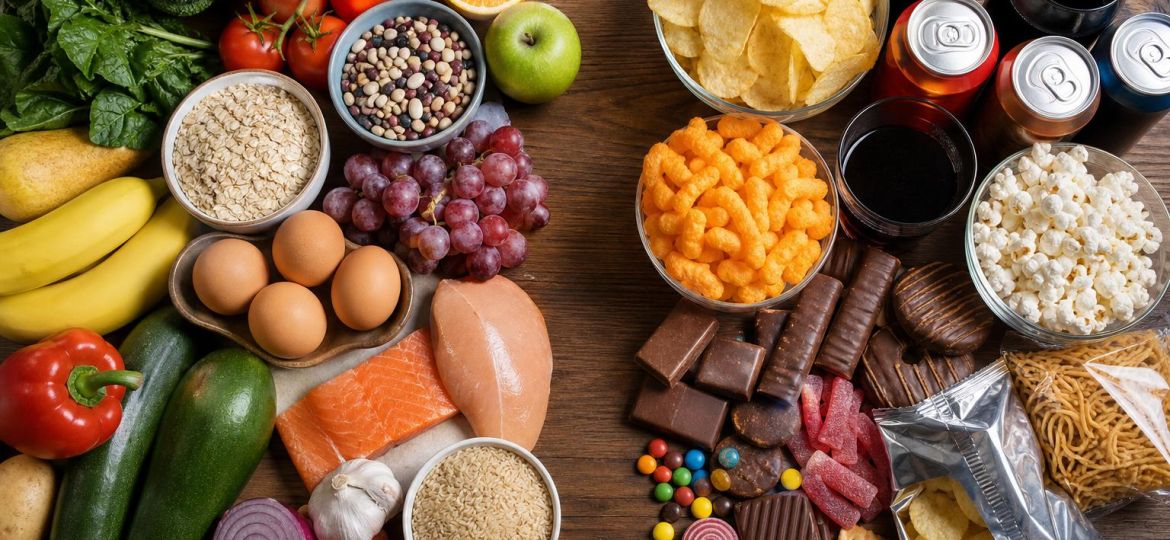
Most foods are processed in some way. Washing, freezing, canning and grinding are all processing. Ultra-processed foods are different: they’re industrial products made mostly from ingredients you wouldn’t use at home, such as modified starches, hydrogenated oils, protein isolates, flavorings, colors and emulsifiers.
Examples include soda, packaged snacks, candy, many breakfast cereals, instant noodles, chicken nuggets, hot dogs and most packaged sweets. They’re usually convenient, inexpensive, long-lasting and designed to be very tasty.
What research links them to
A large 2024 review in the BMJ looked at studies covering nearly 10 million people. Higher intake of ultra-processed foods was linked to higher risk of:
- Heart disease and early death
- Type 2 diabetes
- Obesity
- Depression and anxiety
- Some cancers
Most of this research is observational, meaning it shows links but can’t prove cause. But a carefully controlled NIH study found that when people ate an ultra-processed diet, they ate about 500 more calories a day and gained weight, compared with when they ate a minimally processed diet matched for sugar, fat and fiber.
Why they might be harmful
Researchers think several factors play a role: they’re easy to overeat, they often replace whole foods like vegetables and beans, they tend to be high in sugar, salt and unhealthy fats, and some additives may affect gut health. Scientists are still working out which matters most.
The federal definition
There’s no official U.S. definition yet. The FDA and USDA asked for public input in 2025, and in August 2026 sent a proposed definition for final review. It’s expected to be a research tool rather than a regulation, but it could shape future labeling, school meals and nutrition guidance. The 2025–2030 Dietary Guidelines already advise limiting highly processed foods.
Not all processed foods are equal
Some packaged foods are healthy choices: plain yogurt, canned beans, frozen vegetables, whole-grain bread with simple ingredients. Focus on the overall pattern of your diet rather than perfection.
Easy swaps
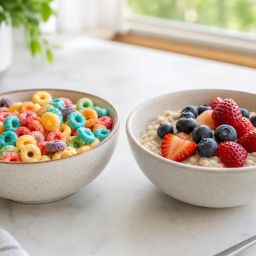
- Sugary cereal → our overnight oats with berries and chia
- Packaged snacks → nuts, fruit or plain popcorn
- Soda → sparkling water with citrus
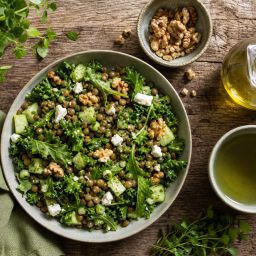
- Frozen dinners → simple batch meals like our hearty lentil vegetable soup
- Processed deli meats → our Greek yogurt chicken salad wraps
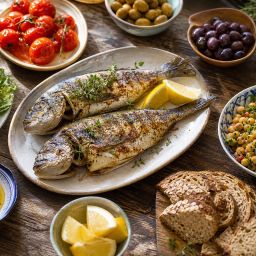
A short ingredient list with foods you recognize is a good sign. For a broader healthy pattern, see our Mediterranean diet guide.
The bottom line
Research consistently links diets high in ultra-processed foods to poorer health, though scientists are still learning why. You don’t need to avoid them completely. Building more meals around whole and minimally processed foods is a practical step that pays off.
Common questions
Are plant-based meat alternatives ultra-processed?
Many are, but their nutrition varies. Check labels for sodium and ingredients, and include whole plant proteins like beans and lentils too.
Is frozen food ultra-processed?
Not necessarily. Plain frozen fruits and vegetables are minimally processed and very nutritious. Frozen meals and snacks often are ultra-processed.
How do I know if a food is ultra-processed?
Check the ingredient list. Long lists with items you wouldn’t cook with, like high-fructose corn syrup, hydrogenated oils, flavorings or emulsifiers, are a sign.
Are ultra-processed foods addictive?
Some researchers believe their combination of sugar, fat and salt can drive overeating in ways similar to addiction. The evidence is still developing.
This article is for general information and isn’t medical advice. Talk with your healthcare provider about your individual needs.