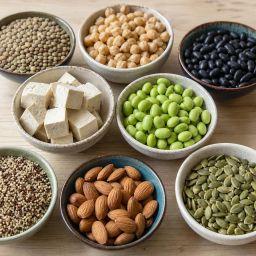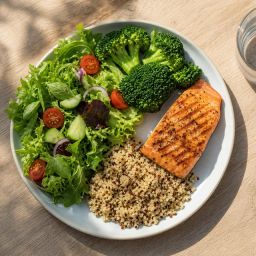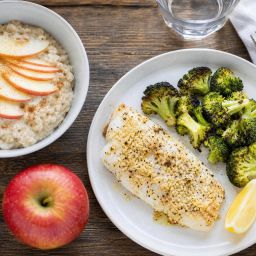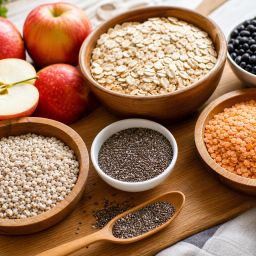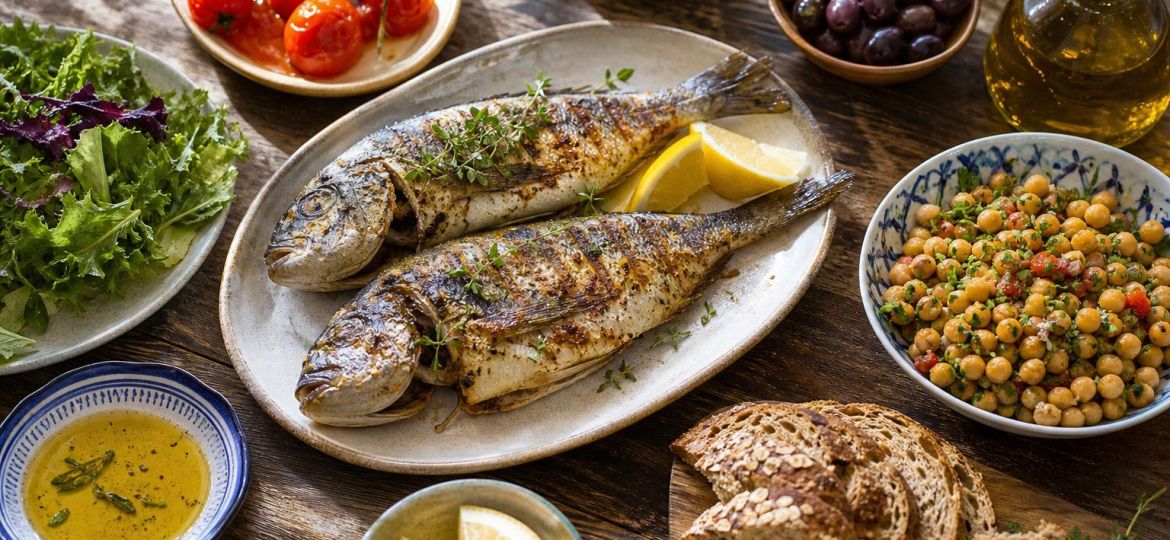
The Mediterranean diet consistently ranks as one of the healthiest ways to eat, and unlike many diets, it doesn’t involve counting points, cutting out entire food groups or buying special products. It’s based on the traditional eating patterns of countries bordering the Mediterranean Sea, such as Greece, Italy and Spain, where people have long enjoyed vegetables, beans, whole grains, fish and olive oil.
Research has linked this way of eating to a lower risk of heart disease and stroke, and Mayo Clinic describes it as a heart-healthy eating plan worth considering. Here’s how to get started.
What to eat on the Mediterranean diet
- Vegetables and fruits at most meals, in a variety of colors.
- Whole grains such as oats, brown rice, whole-wheat bread, farro and bulgur.
- Beans, lentils and chickpeas several times a week.
- Nuts and seeds as snacks or toppings, in modest portions.
- Extra-virgin olive oil as the main cooking and dressing fat.
- Fish and seafood at least twice a week, especially fatty fish like salmon, sardines and trout.
- Herbs and spices for flavor instead of extra salt.
What to eat in moderation
- Poultry, eggs, cheese and yogurt in moderate amounts.
- Red meat only occasionally, in small portions.
- Sweets and processed foods rarely. Fresh fruit is the usual dessert.
- Alcohol isn’t required. If you don’t drink, there’s no reason to start.
Why it’s good for your heart
The Mediterranean diet replaces saturated fats from butter and red meat with unsaturated fats from olive oil, nuts and fish. That swap can help lower LDL (“bad”) cholesterol. The diet is also naturally high in fiber, antioxidants and potassium from plant foods, and fatty fish supplies omega-3 fats that support heart health. Together, these features help explain why this eating pattern is associated with fewer heart attacks and strokes.
It’s also flexible and satisfying, which makes it easier to stick with over the long term than restrictive diets.
Easy ways to get started
- Switch your cooking oil. Use extra-virgin olive oil instead of butter for sautéing, roasting and dressings.
- Make vegetables the main event. Fill half your plate with vegetables at lunch and dinner.
- Add a meatless meal. Try a bean or lentil dish once or twice a week.
- Eat fish twice a week. A simple sheet-pan dinner makes this easy.
- Snack smarter. Reach for a handful of nuts, fruit or hummus with vegetables instead of chips.
- Choose whole grains. Swap white bread and rice for whole-grain versions.
Mediterranean recipes to try
- Sheet-Pan Mediterranean Salmon with Vegetables: salmon, tomatoes, zucchini, olives and olive oil, all on one pan.
- Hearty Lentil and Vegetable Soup: a filling, plant-based meal packed with fiber.
What this means for you
You don’t have to overhaul your diet overnight. Start with one or two changes, such as cooking with olive oil and adding a fish dinner each week, and build from there. The Mediterranean diet works best as a long-term lifestyle that also includes regular physical activity and shared meals with family and friends.
If you have a health condition such as diabetes, kidney disease or high cholesterol, or take medicines like blood thinners, talk with your doctor or a registered dietitian about how to adapt the plan for your needs.
The bottom line
The Mediterranean diet is built on vegetables, whole grains, beans, fish and olive oil. It’s flexible, flavorful and backed by strong research for heart health, making it one of the easiest healthy eating patterns to adopt and keep.
This article is for general information and isn’t medical advice. Talk with your healthcare provider or a registered dietitian about your individual needs, especially if you have a health condition or food allergies.