When you get a cholesterol test, triglycerides are one of the numbers on the report. They don’t get as much attention as LDL cholesterol, but high triglycerides are linked to a higher risk of heart disease and, at very high levels, inflammation of the pancreas.
What are triglycerides?
Triglycerides are the most common type of fat in your body. When you eat more calories than you need, especially from sugar, refined carbohydrates and alcohol, your body converts the extra into triglycerides and stores them in fat cells. Later, hormones release them for energy between meals.
Triglycerides and cholesterol are both lipids that travel in the blood, but they’re different. Cholesterol is used to build cells and hormones, while triglycerides store unused energy.
What’s a healthy level?
According to Mayo Clinic, triglyceride levels (in mg/dL) are generally classified as:
- Normal: less than 150
- Borderline high: 150 to 199
- High: 200 to 499
- Very high: 500 or above
Why high triglycerides matter
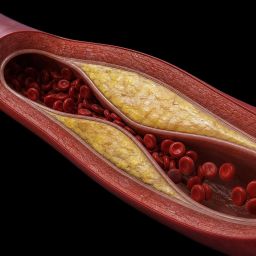
High triglycerides may contribute to hardening of the arteries and raise the risk of heart attack and stroke. They often come along with other conditions that raise heart risk, including obesity, type 2 diabetes, high blood pressure and metabolic syndrome. Very high triglycerides can also cause acute pancreatitis, a painful and serious condition.
Common causes
- Eating more calories than you burn
- Diets high in sugar and refined carbohydrates
- Drinking alcohol
- Obesity and lack of physical activity
- Poorly controlled type 2 diabetes
- Hypothyroidism, kidney or liver disease
- Some medicines and genetic conditions
How to lower triglycerides
- Cut back on added sugars, especially sugary drinks, sweets and desserts.
- Choose whole grains instead of white bread, white rice and pastries.
- Limit or avoid alcohol, which has a strong effect on triglycerides.
- Eat fatty fish. Omega-3 fats in fish like salmon and sardines can help lower triglycerides. Learn more about omega-3 fats.
- Choose healthier fats, like olive oil and nuts, instead of saturated fat.
- Exercise regularly. Aim for at least 150 minutes a week.
- Lose extra weight. Even modest weight loss can help.
Try this omega-3-rich dinner: Sheet-Pan Mediterranean Salmon with Vegetables.
What this means for you
If your triglycerides are high, your doctor will likely focus first on lifestyle changes and on treating related conditions like diabetes. If levels remain high, or if they’re very high, medicine may be recommended, including prescription-strength omega-3s. Don’t start high-dose fish oil supplements without talking to your doctor.
The bottom line
Triglycerides are fats that store extra calories. Cutting back on sugar, refined carbs and alcohol, eating fish, exercising and losing extra weight are the most effective ways to bring high levels down.
Common questions
Do I need to fast before a triglyceride test?
Triglycerides rise after eating, so your doctor may ask you to fast for 9 to 12 hours, especially if a previous result was high.
Are triglycerides and cholesterol the same thing?
No. Both are fats in the blood, but triglycerides store unused energy, while cholesterol is used to build cells and hormones. A lipid panel measures both.
Can high triglycerides be genetic?
Yes. Some people inherit conditions that raise triglycerides. If your levels are very high or don’t improve with lifestyle changes, your doctor may look for a genetic or medical cause.
How fast can triglycerides come down?
Triglycerides often respond quickly to changes like cutting back on sugar and alcohol, sometimes improving within weeks. Your doctor may recheck them after a few months.
This article is for general information and isn’t medical advice. Talk with your healthcare provider about your individual needs.