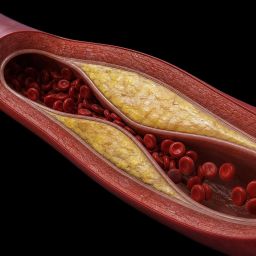
Most people think of high cholesterol as a result of diet or lifestyle. But for some families, very high cholesterol is written into their genes. Familial hypercholesterolemia (FH) is an inherited condition that causes high levels of LDL (“bad”) cholesterol from birth, greatly raising the risk of early heart disease.
FH is one of the most common genetic conditions, yet it’s often undiagnosed. According to the CDC, FH affects roughly 1 in 250 to 1 in 300 people, and most people who have it don’t know it.
What causes FH?
FH is caused by changes in genes that control how the body removes LDL cholesterol from the blood. Normally, the liver uses receptors to pull LDL out of circulation. In FH, these receptors don’t work properly, so LDL builds up in the blood starting in childhood.
FH is passed down in families. If one parent has FH, each child has a 50% chance of inheriting it. In rare cases, a person inherits FH genes from both parents, which causes extremely high cholesterol and very early heart disease.
Why FH is serious
Because people with FH are exposed to high LDL from birth, plaque can build up in the arteries much earlier than usual. Without treatment, FH greatly increases the risk of heart attack at a young age, sometimes in a person’s 30s, 40s or 50s.
The good news is that early diagnosis and treatment can dramatically lower that risk.
Signs that could point to FH
- LDL cholesterol of 190 mg/dL or higher in adults, or 160 mg/dL or higher in children
- A family history of high cholesterol
- A family history of heart attack or heart disease at an early age (before 55 in men or 65 in women)
- Fatty deposits on the tendons, often on the hands, knees or heels (xanthomas)
- Yellowish deposits around the eyelids (xanthelasmas)
- A grayish-white ring around the colored part of the eye at a young age
Many people with FH have no physical signs at all, which is why blood testing is so important.
Diagnosis
FH is usually diagnosed based on cholesterol levels, physical signs and family history. Genetic testing can confirm the diagnosis. When one person is diagnosed, doctors recommend testing close relatives, including parents, siblings and children. This approach, called cascade screening, helps find other family members who may be at risk.
Treatment
FH can’t be cured, but it can be treated effectively. Most people need cholesterol-lowering medicine, usually starting with a statin. Others may need additional medicines to reach their LDL goal. A heart-healthy diet, regular exercise and not smoking are also important, but lifestyle alone usually isn’t enough to control FH.
What this means for you
If you have very high cholesterol, or if heart disease runs in your family at young ages, ask your doctor about FH. If you’ve been diagnosed, encourage your family members to get tested. Children can be screened, and starting treatment early can help protect their hearts for life. Learn more about when to get your cholesterol checked.
The bottom line
Familial hypercholesterolemia is a common inherited cause of very high LDL cholesterol and early heart disease. It often goes undiagnosed, but with testing, family screening and treatment, people with FH can greatly reduce their risk.
Common questions
Can children have FH?
Yes. Children with FH have high cholesterol from birth. Experts recommend that all children have their cholesterol checked once between ages 9 and 11, and earlier if FH runs in the family.
Is FH caused by an unhealthy lifestyle?
No. FH is genetic. Healthy habits still matter, but they can’t fully overcome the inherited problem with clearing LDL, which is why medicine is usually needed.
This article is for general information and isn’t medical advice. Talk with your healthcare provider about your individual needs.