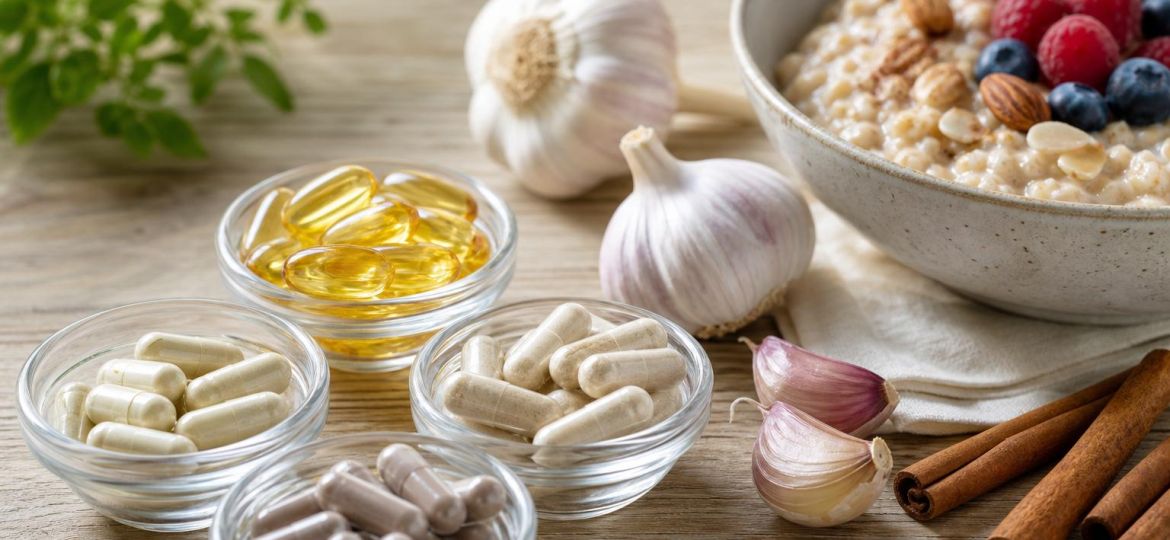
Many people turn to supplements such as fish oil, garlic or red yeast rice in hopes of lowering their cholesterol naturally. A study from Cleveland Clinic put six popular supplements to the test against a low-dose statin, and the results were clear.
Why cholesterol matters
LDL cholesterol, often called “bad” cholesterol, can build up in artery walls and raise the risk of heart attack and stroke. Heart disease is the leading cause of death in the U.S., and tens of millions of Americans have high cholesterol, often without knowing it. Lowering LDL is one of the most effective ways to reduce that risk.
How the study worked
Researchers enrolled 190 adults with no history of heart disease who had an elevated risk of future heart problems. For 28 days, participants were randomly assigned to take one of the following:
- A low dose (5 mg) of rosuvastatin, a statin medication
- A placebo (an inactive pill)
- Fish oil
- Cinnamon
- Garlic
- Turmeric
- Plant sterols
- Red yeast rice
The findings were published in the Journal of the American College of Cardiology.
What the researchers found
- The statin worked. After four weeks, the low-dose statin lowered LDL cholesterol by about 38% on average.
- The supplements didn’t. None of the six supplements lowered LDL cholesterol more than the placebo.
- The statin also improved other markers, including total cholesterol.
The lead researcher noted that many people believe supplements are safer than prescription medicines and just as effective, and said the results suggest people taking supplements for cholesterol should reconsider.
Red yeast rice is a notable case. It naturally contains a compound chemically identical to the statin lovastatin, which is why it’s often marketed for cholesterol. But the amount varies widely between products, and some contain little or none, which may explain why it didn’t stand out in this study.
Keep in mind
The study was relatively small and lasted only 28 days, so it can’t tell us about long-term effects or heart attacks and strokes. Some supplements may have other uses. For example, prescription-strength omega-3 products are used for very high triglycerides, which is a different issue from LDL cholesterol. Supplements also aren’t regulated like medicines, so their contents can vary.
What about statin side effects?
Statins are among the most studied medicines in the world. Most people take them without problems. Some experience muscle aches, digestive upset or other side effects. If side effects occur, a doctor can often adjust the dose, switch to a different statin or suggest other options. Don’t stop a prescribed medicine without talking to your doctor.
What this means for you
- Know your numbers. Adults should have their cholesterol checked regularly, starting in early adulthood or sooner if heart disease runs in the family.
- Ask about your overall risk. Your doctor can estimate your 10-year risk of heart disease and explain whether medication makes sense.
- Don’t rely on supplements alone to manage high cholesterol.
- Tell your doctor about any supplements you take, since some interact with medicines.
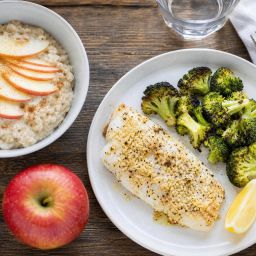
- Build heart-healthy habits. Eat more vegetables, fruit, whole grains, legumes and nuts, limit saturated fat, stay active, keep a healthy weight and don’t smoke.
The bottom line
In a head-to-head study, a low-dose statin lowered LDL cholesterol by about 38% in four weeks, while six popular supplements did no better than a placebo. For lowering cholesterol, proven treatments and healthy habits beat supplements.
This article is for general information and isn’t medical advice. Talk with your healthcare provider about your individual needs.