Losing the sense of smell became one of the signature symptoms of COVID-19, especially early in the pandemic. Most people recover it within weeks. But for some, it doesn’t come back, or returns only partly. Research from Duke University offers an explanation and points toward possible treatments.
How COVID-19 affects smell
Smell depends on specialized nerve cells high in the nose, in a tissue called the olfactory epithelium. These cells detect odor molecules and send signals to the brain. The virus that causes COVID-19 doesn’t usually infect these nerve cells directly, but it can infect the support cells around them, disrupting how smell works. In most people, the tissue repairs itself and smell returns.
What the researchers found
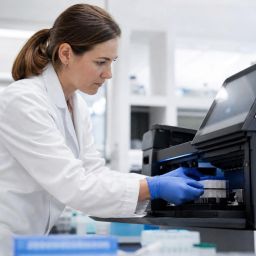
The team, led by Dr. Bradley Goldstein, analyzed tissue samples from the noses of 24 people, including 9 who had long-term smell loss after COVID-19. Their findings were published in Science Translational Medicine.
- The virus was gone. No genetic material or proteins from the virus could be detected in the tissue.
- The immune system was still active. Immune cells called T cells were driving ongoing inflammation in the smell tissue long after the infection had cleared.
- Smell nerve cells were reduced. The tissue had fewer olfactory nerve cells, apparently damaged by the lingering immune attack.
Dr. Goldstein described the findings as resembling an autoimmune-like process in the nose. The researchers suggested that similar lingering immune activity might help explain other long COVID symptoms, such as fatigue and brain fog.
Why this matters
Losing your sense of smell affects more than enjoying food. It can reduce appetite, affect mood and quality of life, and make it harder to detect dangers such as smoke, gas leaks or spoiled food. Knowing which cells are damaged and why gives scientists a target for treatment. The researchers are hopeful that therapies aimed at calming the abnormal immune response or supporting tissue repair in the nose could help restore smell, at least partly. This work is still at an early stage.
Some research has also suggested that smell loss has become less common with newer variants of the virus.
What you can do if your smell hasn’t returned
- See a doctor. An ear, nose and throat specialist can check for other causes, such as nasal polyps or sinus problems, which may be treatable.
- Try smell training. Sniffing a set of strong, distinct scents, such as rose, lemon, clove and eucalyptus, for about 20 seconds each, twice a day for several months, has helped some people regain smell after viral infections.
- Stay safe at home. Install smoke and carbon monoxide detectors, label and date food, and consider a natural gas detector if you use gas appliances.
- Keep eating well. When food tastes bland, texture, temperature, spices and colorful presentation can make meals more enjoyable. A dietitian can help if your appetite has dropped.
- Be patient but persistent. Smell can continue to improve over many months, even after a long time.
- Get support. Smell loss can affect mood. Talking to your doctor or joining a support community can help.
The bottom line
For people with long-lasting smell loss after COVID-19, the problem appears to be an ongoing immune attack in the nose rather than lingering virus. That insight could lead to new treatments, and smell training and an ENT check-up are worthwhile steps in the meantime.
This article is for general information and isn’t medical advice. Talk with your healthcare provider about your individual needs.