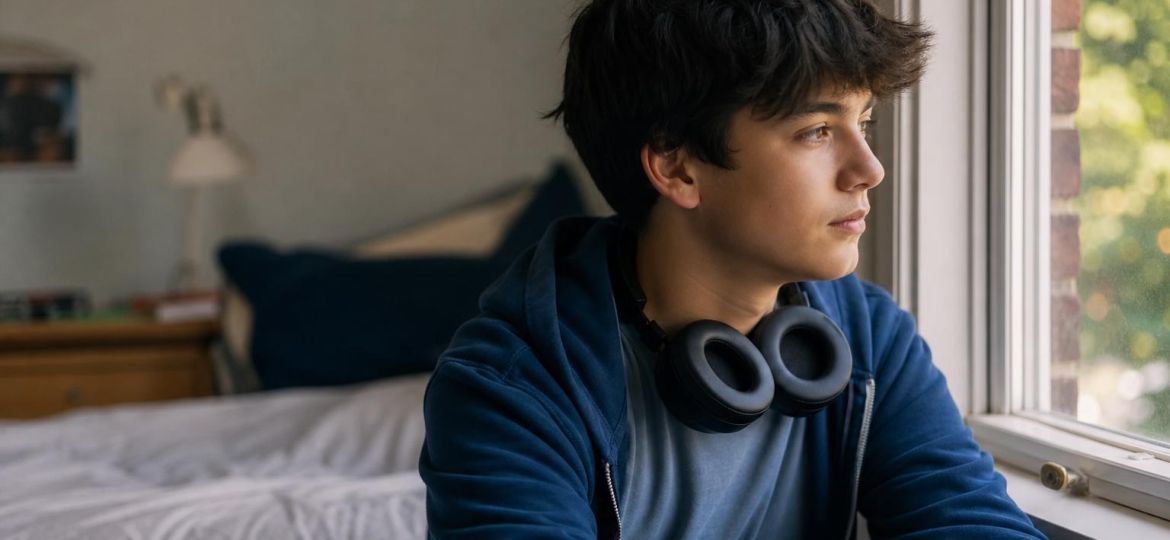
The COVID-19 pandemic upended daily life for nearly everyone, but teenagers lost something especially important: a stretch of school, friendships and normal routines during a key period of development. A study from Stanford University suggests the stress of that time may have left a physical mark on their brains.
An accidental before-and-after comparison
The research team, led by psychologist Ian Gotlib, had been running a long-term study on how early-life stress affects young people in the San Francisco Bay Area, scanning participants’ brains every two years. When the pandemic shut everything down, the study had to pause.
That interruption created an unusual opportunity. Once scanning resumed, the researchers could compare teenagers scanned before the shutdowns with teenagers of the same age and sex scanned after living through them. The findings were published in Biological Psychiatry: Global Open Science in late 2022.
What the brain scans showed
Teens assessed after the pandemic shutdowns showed brain features that normally appear with age:
- Thinner cortex. The cortex, the brain’s outer layer involved in thinking and planning, naturally thins during adolescence. It was thinner in the post-shutdown group.
- Larger hippocampus and amygdala. These regions help with memory and with processing fear and stress.
- An older “brain age.” Overall, their brains looked older than their actual age.
The post-shutdown group also reported more severe anxiety, depression and other “internalizing” mental health symptoms. The researchers noted that these brain patterns resemble those seen in young people who have faced significant hardship in childhood.
Why might stress affect the brain this way? Long periods of stress raise levels of stress hormones, which are known to influence how brain regions involved in emotion and memory develop. Isolation, disrupted routines and worry about family and health may all have played a part.
What we don’t know yet
Brains change constantly during the teenage years, and this study doesn’t show whether these changes are harmful, permanent or temporary. It’s also possible that teens’ brains will settle back over time. The researchers say the key next step is to keep following the same young people to see whether their actual age eventually “catches up” with their brain age, and what that means for their long-term health.
The study also involved a relatively small group from one region, so the results may not apply to every teenager.
What this means for parents and teens
The research is a reminder that the pandemic years were genuinely hard on young people, and that support still matters:
- Keep talking. Regular, low-pressure conversations help teens share what they’re feeling. Ask open questions and listen more than you advise.
- Protect the basics. Enough sleep, regular physical activity and balanced meals all support mood and brain health.
- Encourage connection. Time with friends, teams, clubs and other in-person activities helps rebuild what was lost during the shutdowns.
- Watch for warning signs. Ongoing sadness, withdrawal, changes in sleep or appetite, falling grades or loss of interest in things they used to enjoy deserve attention.
- Get help early. A pediatrician, school counselor or mental health professional can assess concerns and suggest support. If a teen is in crisis or talking about self-harm, in the U.S. you can call or text 988 to reach the Suicide & Crisis Lifeline.
The bottom line
A Stanford study found that teens who lived through the pandemic shutdowns had brains that looked older than expected, along with more mental health symptoms. Whether those changes last is still unknown, but the findings underline how important it is to support young people’s mental health now.
This article is for general information and isn’t medical advice. Talk with your healthcare provider about your individual needs.