
For most people, a COVID-19 infection means a week or two of feeling unwell. For a Texas grandfather, it meant spending 453 days in the hospital, through holidays, a grandchild’s birth and his own 70th birthday, before finally returning home in late 2022. His story shows how severe COVID-19 can become and how long recovery from critical illness can take.
A sudden turn for the worse
The man from Bellaire, Texas, tested positive for COVID-19 in August 2021. According to reporting by The Washington Post, he had no major preexisting conditions and was fully vaccinated. When he developed a fever and his oxygen levels dropped, he went to the emergency room expecting a short stay. Instead he was moved to intensive care and placed on a ventilator within days.
His family said that at one point almost every organ in his body failed except his heart and brain, and doctors warned that he might not survive. Over the following months he battled the infection and a long series of complications.
Coming home
After 453 days, he was discharged, cheered on by the doctors and nurses who had cared for him. He arrived home in time for Thanksgiving, after missing the previous year’s holidays in the hospital.
His case is extreme but not unique. The same year, doctors in the UK described a patient whose COVID-19 infection lasted 505 days, the longest on record at the time.
Why some infections become so severe
Doctors still can’t always predict who will become critically ill. Older age, a weakened immune system and chronic conditions such as heart disease, diabetes and obesity raise the risk, but severe illness can occasionally happen to people without obvious risk factors. Vaccination greatly lowers the overall risk of severe disease and death, even though it can’t prevent every serious case.
Recovery after critical illness
A long stay in intensive care takes a heavy toll. Survivors often face muscle weakness, fatigue, breathing problems, memory and concentration difficulties, and emotional effects such as anxiety or depression. Doctors sometimes call this post-intensive care syndrome. Physical therapy, pulmonary rehabilitation and mental health support all play a role in getting people back on their feet, and recovery can take months.
Recovery is rarely a straight line. Setbacks such as new infections and returns to intensive care are common, and progress is often measured in small steps: breathing without a ventilator, sitting up, then walking a few steps. Families feel the strain too, and months at a loved one’s bedside can leave them exhausted and anxious.
What this means for you
- Stay up to date with recommended vaccines. They remain one of the best ways to lower your risk of severe COVID-19.
- Know the warning signs. Seek emergency care for trouble breathing, persistent chest pain or pressure, new confusion, inability to stay awake, or bluish lips or face.
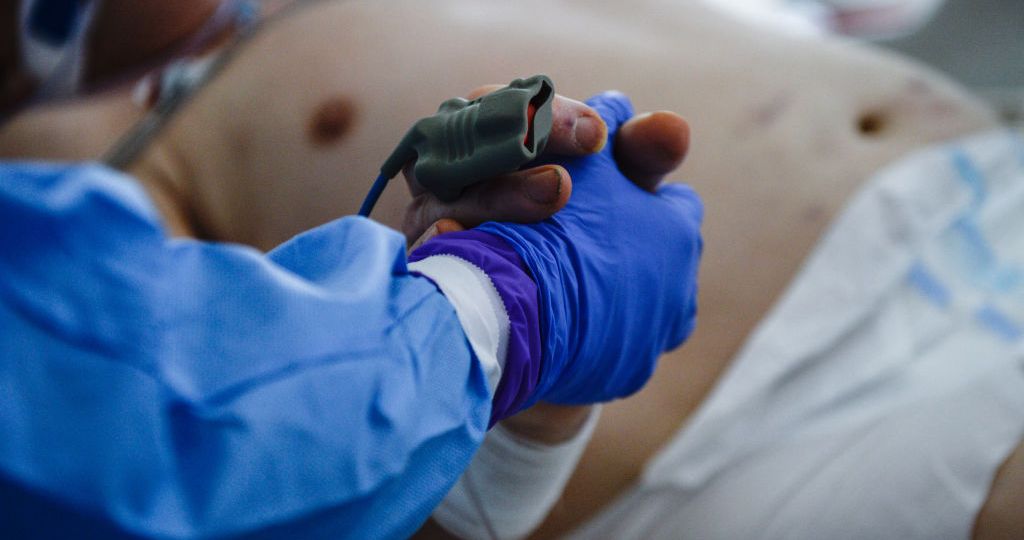
- Consider a home pulse oximeter. It can help you or your doctor spot a drop in oxygen levels, especially if you’re at higher risk.
- Ask about early treatment. Antiviral medicines can lower the risk of severe illness for people at higher risk when started soon after symptoms begin.
- Support caregivers. Families of critically ill patients carry an enormous load. Support groups and counseling can help.
The bottom line
This Texas man’s 453-day hospital stay shows both how serious COVID-19 can become and how remarkable recovery is possible. For most of us, it’s a reminder to take prevention seriously and to know when to seek help.
This article is for general information and isn’t medical advice. Talk with your healthcare provider about your individual needs.