
The Mediterranean diet is regularly ranked among the healthiest ways to eat. Now researchers have tested a “greener” version of it, and the results suggest it may be even better at shrinking one of the most harmful types of body fat.
Why visceral fat matters
Not all body fat is the same. Visceral fat sits deep in the abdomen and wraps around internal organs such as the liver and intestines. Unlike the fat just under the skin, it is closely linked to heart disease, type 2 diabetes and other metabolic problems, and researchers consider it an independent marker of mortality risk. It also helps explain why some people with similar weights have very different health profiles.
What makes the diet “green”
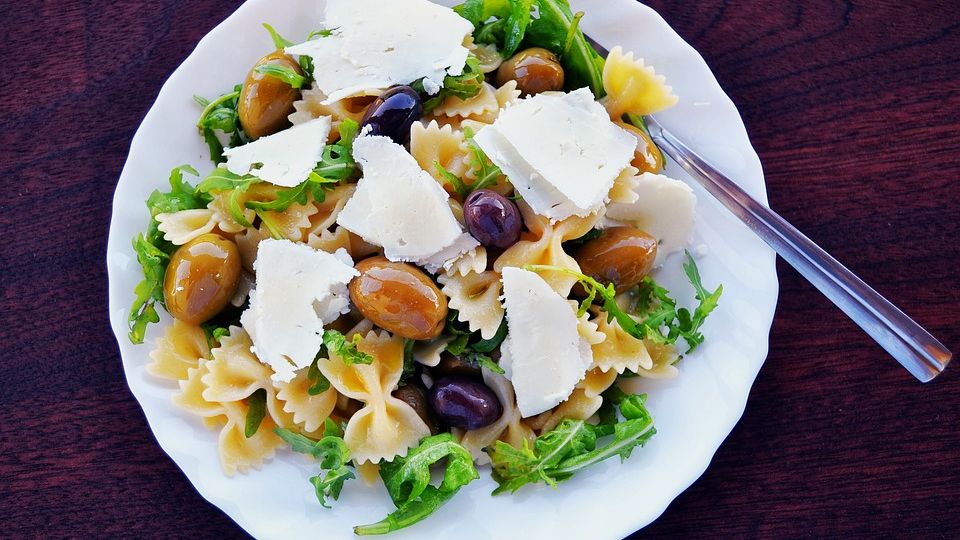
The green Mediterranean diet keeps the foundations of the traditional version: vegetables, fruits, whole grains, legumes, fish and olive oil. It then adds more plant-based protein and polyphenols, the natural compounds found in many plants, and cuts back further on red and processed meat. In the research trial, participants following it also had:
- Three to four cups of green tea a day
- A daily handful of walnuts
- A daily shake made with Mankai, a protein-rich aquatic plant also known as water lentils
How the study worked
The trial, known as DIRECT-PLUS and led by Ben-Gurion University of the Negev in Israel, followed 294 adults for 18 months. Participants were assigned to one of three eating plans:
- Standard healthy eating guidelines
- A traditional Mediterranean diet
- The green Mediterranean diet
All groups were also encouraged to be physically active. The researchers used MRI scans to measure changes in visceral fat over the course of the study. The results were published in BMC Medicine.
What the researchers found
All three groups reduced their visceral fat, but by very different amounts:
- Green Mediterranean diet: about 14% less visceral fat
- Traditional Mediterranean diet: about 7% less
- Healthy eating guidelines: about 4.5% less
That means the green version cut visceral fat roughly twice as much as the traditional Mediterranean diet. The researchers believe polyphenols, which have anti-inflammatory and antioxidant properties, may help explain the difference, though they say more studies are needed to confirm exactly how.
The same research team had earlier found that the green Mediterranean diet also improved heart and metabolic markers more than the traditional version.
How to bring it to your table
You don’t need to follow the trial exactly to borrow its best ideas:
- Swap some meat for plants. Build more meals around beans, lentils, chickpeas, tofu and whole grains.
- Brew a pot of green tea. Swapping a sugary drink for unsweetened green tea is an easy step.
- Add a daily handful of nuts. Walnuts are a good source of healthy fats and polyphenols.
- Load up on color. Leafy greens, berries and other colorful produce are rich in polyphenols.
- Keep olive oil as your main fat. It’s a cornerstone of every version of the Mediterranean diet.
- Keep moving. Exercise was part of the trial and helps reduce visceral fat on its own.
If you have a medical condition, take medication, or are thinking about major diet changes, check with your doctor or a registered dietitian first. Green tea, for example, contains caffeine and can interact with some medications.
The bottom line
A greener, more plant-forward take on the Mediterranean diet may be especially good at reducing harmful visceral fat. The good news is that its core habits are simple, affordable and easy to start.
This article is for general information and isn’t medical advice. Talk with your healthcare provider about your individual needs.