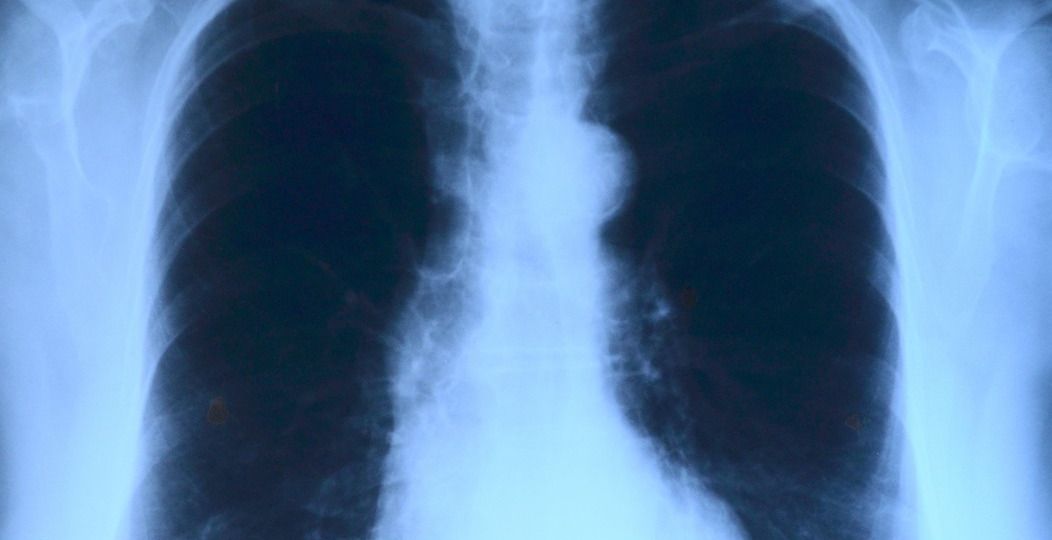
Millions of chest X-rays are taken every day, usually to check the lungs after a cough or before surgery. Researchers in Boston have shown that those same images may hold hidden clues about a person’s long-term risk of heart disease, and that artificial intelligence can read them.
The problem with spotting heart risk early
Heart disease caused by narrowed, hardened arteries (known as atherosclerotic cardiovascular disease) is a leading cause of death worldwide. Doctors usually estimate a person’s 10-year risk using a calculator that combines age, sex, blood pressure, cholesterol, blood sugar, smoking status and other details. People whose risk is high enough are often advised to take a statin, a medication that lowers cholesterol and helps protect artery walls.
The challenge is that many people never get that full assessment. The numbers needed for the calculation are often missing from medical records, so people who could benefit from prevention slip through the cracks.
How the AI works
A team from Massachusetts General Hospital and Brigham and Women’s Hospital built a deep learning model that estimates 10-year heart risk from a single chest X-ray. They presented the work at the annual meeting of the Radiological Society of North America in 2022.
- Training: The model learned from about 150,000 chest X-rays taken from more than 40,000 people who were part of a large National Cancer Institute screening trial.
- Testing: It was then tested on X-rays from more than 11,000 outpatients, average age 60, who could potentially have qualified for statin treatment.
About 1 in 10 of those patients went on to have a major heart event, such as a heart attack or stroke, within 10 years. The AI’s risk predictions tracked closely with who those people turned out to be, and its performance was similar to the standard clinical risk calculator. It also added useful information on top of that calculator.
Why this could matter
The appeal is simplicity. Many adults already have a chest X-ray on file. If AI can scan those existing images, it could flag people at higher risk who have never been formally assessed, without extra tests, appointments or cost. Doctors could then follow up with a proper evaluation and, where appropriate, preventive treatment.
The researchers stress that this is a screening tool, not a diagnosis. It needs further testing in more diverse groups of patients before it could become part of routine care.
What this means for you
Whatever technology the future brings, you can take steps now to understand and lower your heart risk:
- Know your numbers. Ask your doctor about your blood pressure, cholesterol and blood sugar, and how often they should be checked.
- Ask about your 10-year risk. If you’re over 40, your doctor can estimate it and explain whether preventive treatment makes sense for you.
- Don’t smoke. Quitting is one of the most powerful things you can do for your heart.
- Move most days. Aim for at least 150 minutes of moderate activity a week, such as brisk walking.
- Eat for your heart. Favor vegetables, fruits, whole grains, legumes, nuts, fish and olive oil, and limit processed foods.
Know the warning signs of a heart attack, including chest pain or pressure, shortness of breath, and pain spreading to the arm, jaw or back. If they happen, call emergency services right away.
The bottom line
An AI model can estimate long-term heart disease risk from an ordinary chest X-ray about as well as the standard method. It’s still being tested, but it could one day help catch at-risk people who would otherwise be missed.
This article is for general information and isn’t medical advice. Talk with your healthcare provider about your individual needs.
