Vitamin D is best known for keeping bones strong, but its role in overall health has been debated for years. A large study from the University of South Australia adds weight to the idea that being seriously low in vitamin D may raise the risk of dying early.
Why vitamin D matters
Vitamin D helps the body absorb calcium and keep bones and muscles healthy. Your skin makes it when exposed to sunlight, and you can also get it from a small number of foods and from supplements. People who are older, spend little time outdoors, have darker skin, or live far from the equator are more likely to run low.
Why this question has been hard to answer
Many earlier studies noticed that people with low vitamin D tended to have worse health. But that doesn’t prove vitamin D is the cause, because people who are already ill often spend less time outside. Clinical trials haven’t settled it either, because they often didn’t include enough people who were truly deficient.
How the study worked
Published in the Annals of Internal Medicine, the study analyzed health records from more than 300,000 people in the UK Biobank, a large research database. Vitamin D levels below 25 nmol/L were treated as deficient. The average level in the group was about 45 nmol/L.
To get closer to cause and effect, the researchers used a genetic method called Mendelian randomization. It looks at genes that naturally influence vitamin D levels, which helps separate the effect of vitamin D itself from other lifestyle and health factors.
What the researchers found
- Lower vitamin D was linked to a higher risk of death, and the risk was greatest among people with the most severe deficiency.
- The relationship wasn’t a straight line. The biggest difference was seen when moving out of deficiency. The benefit appeared to level off at moderate levels, which suggests taking more than you need is unlikely to add further protection.
- Deaths from several causes were involved, including cancer, heart disease and, for the first time in this kind of study, respiratory disease.
The researchers concluded that preventing deficiency is what matters most, especially for older and more vulnerable people.
Who is most likely to run low?
Some people are more likely to be deficient: older adults, people who are housebound or living in care homes, people with darker skin, people who cover most of their skin outdoors, and people with conditions that affect how fat is absorbed, such as celiac disease or inflammatory bowel disease.
What this means for you
- Get some safe sun. Short periods of sun on your skin help your body make vitamin D. Balance this against sun protection to lower skin cancer risk.
- Eat vitamin D-rich foods. Good sources include oily fish such as salmon, sardines and mackerel, egg yolks, and fortified milk, plant milks and cereals.
- Ask about testing if you’re at risk. A simple blood test can check your level if you’re older, rarely outdoors, have darker skin, or have conditions that affect absorption.
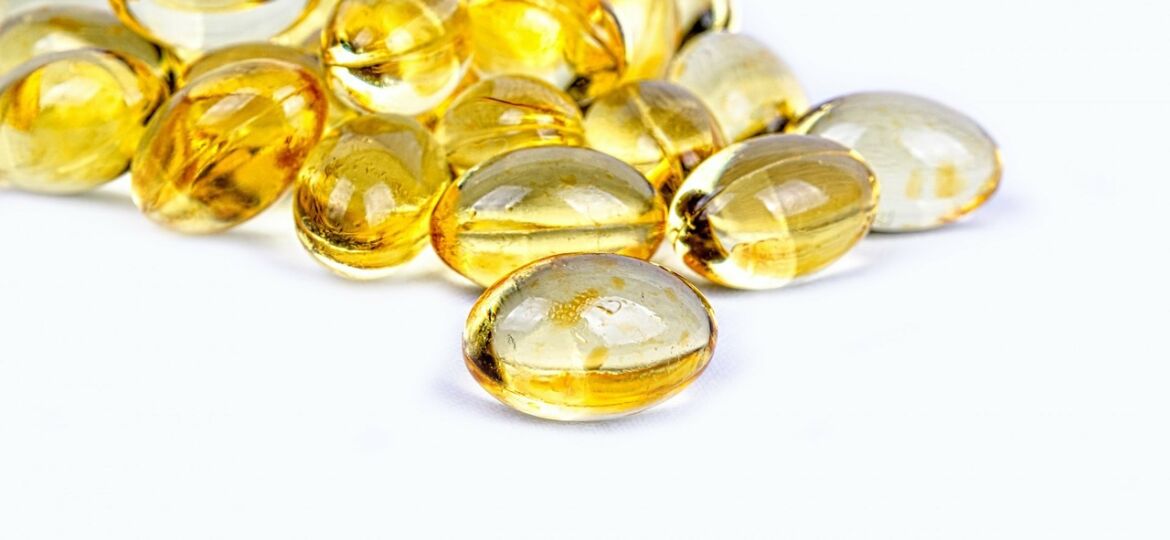
- Supplement sensibly. If you need a supplement, follow your doctor’s advice on the dose. Very high doses can be harmful, and more isn’t better.
The bottom line
This large study strengthens the case that severe vitamin D deficiency raises the risk of early death. The goal isn’t to megadose, but to avoid being deficient, especially through the darker months and later in life.
This article is for general information and isn’t medical advice. Talk with your healthcare provider about your individual needs.