In late 2022, the United States faced one of its earliest and most intense flu seasons in more than a decade. Hospitals that were already stretched by COVID-19 and RSV saw a sharp rise in flu patients well before the usual winter peak. Here’s what happened and the lessons it holds for every flu season.
A season that started early
Flu activity usually builds after Thanksgiving and peaks in the winter. In 2022 it took off weeks earlier. By October, the rate of flu hospitalizations had already reached its highest level for that point in the season in about ten years.
By late November, the numbers were climbing fast:
- Hospitalizations jumped nearly 30% in a single week, from about 8,700 to more than 11,200, according to federal health data.
- Around 35 states were reporting high or very high flu activity, with only a handful reporting low levels.
- By then, CDC estimates put the season’s toll at more than 6 million illnesses, about 53,000 hospitalizations and roughly 2,900 deaths.
Children were hit hard too. A dozen pediatric flu deaths had been reported by mid-November, all caused by influenza A.
Why experts were worried
Flu experts were concerned because the season was already so intense heading into the holidays, when travel and family gatherings help viruses spread. Several respiratory viruses were circulating at the same time, a combination that came to be called a “tripledemic.”
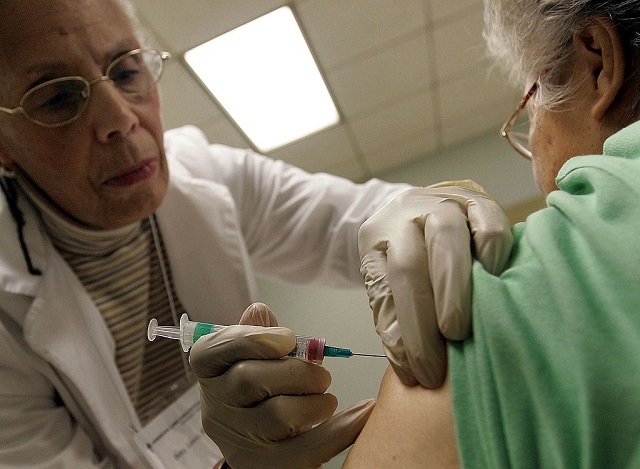
There was some good news. Early signs suggested that season’s flu vaccines were a good match for the strains that were circulating, and experts urged anyone who hadn’t been vaccinated to get their shot.
How to protect yourself every flu season
- Get your annual flu shot. It’s recommended for almost everyone 6 months and older. Early fall is ideal, but getting vaccinated later is still worthwhile.
- Wash your hands often. Use soap and water, or an alcohol-based hand sanitizer when you’re out.
- Stay home when you’re sick. This protects coworkers, classmates and people who are more vulnerable.
- Cover coughs and sneezes. Use a tissue or your elbow.
- Consider a mask in crowded indoor spaces when flu is widespread, especially if you’re at higher risk.
Why the flu shot is still worth it
Even in years when the vaccine isn’t a perfect match, it lowers the chance of being hospitalized and tends to make illness milder for people who still catch the flu. Getting vaccinated also helps protect babies too young for the shot and older adults whose immune systems respond less strongly.
Know when to get help
Most people recover from the flu at home with rest and fluids. Antiviral medicines can help, especially for people at higher risk, and work best when started within a couple of days of symptoms beginning. Call your doctor promptly if you’re over 65, pregnant, have a chronic condition, or are caring for a young child with flu symptoms.
Seek urgent care for warning signs such as trouble breathing, chest pain, confusion, severe weakness, or symptoms that improve and then return worse. In children, also watch for fast breathing, bluish lips, dehydration or unusual sleepiness.
The bottom line
The 2022 flu season was a reminder that flu can arrive early and hit hard. Vaccination, good hygiene and staying home when sick remain the best ways to protect yourself and the people around you.
This article is for general information and isn’t medical advice. Talk with your healthcare provider about your individual needs.