

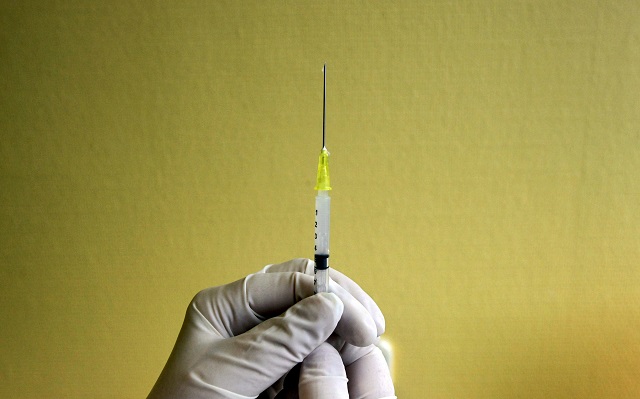
Every year, scientists have to predict months in advance which flu strains will circulate, and every year the vaccine is updated to match. Researchers at the University of Pennsylvania are working on a different approach: a single vaccine designed to prepare the immune system for every known type of flu at once.
Why the flu is so hard to vaccinate against
Flu viruses change constantly. The proteins on their surface shift from year to year, so last season’s vaccine may not match this season’s viruses well. Vaccine makers have to pick strains months before flu season starts, and when they guess wrong, protection drops. Some people, especially older adults, also respond less strongly to flu shots.
A bigger worry is pandemic flu. When a completely new flu strain jumps from animals to people, existing vaccines may offer little protection, and making a new vaccine takes time.
How the experimental vaccine works
The new vaccine uses the same messenger RNA (mRNA) technology as the Moderna and Pfizer-BioNTech COVID-19 vaccines. It delivers instructions, wrapped in tiny fat particles, that teach the body’s cells to make a key flu protein called hemagglutinin.
The difference is scale. Instead of one or a few strains, the vaccine carries instructions for hemagglutinin from all 20 known subtypes of influenza A and B. The goal is to train the immune system to recognize a wide range of flu viruses at once. The study was published in the journal Science in 2022.
What the early results showed
The vaccine was tested in mice and ferrets, two animals commonly used in flu research. It produced antibodies against all 20 flu subtypes and protected the animals from getting seriously ill when they were later exposed to flu viruses, including strains that didn’t exactly match the vaccine.
The researchers are realistic about what it could do. The goal isn’t to stop every flu infection. Instead, it’s to give people a baseline of immune memory against many strains, so that if a new pandemic flu appears, far fewer people become seriously ill or die. It could also reduce some of the guesswork in annual vaccine design.
What happens next
Animal results don’t always carry over to people. The vaccine now needs to go through human clinical trials to test its safety, how strong and long-lasting the immune response is, and whether it actually prevents severe illness. That process usually takes several years.
What this means for you
- Keep getting your yearly flu shot. A universal vaccine is still in development. Today’s annual vaccine remains the best way to lower your risk of serious flu, and it’s recommended for almost everyone 6 months and older.
- Time it well. Getting vaccinated in early fall gives you protection before flu season usually peaks, but later is still better than never.
- Protect those at highest risk. Older adults, young children, pregnant people and people with chronic conditions are most likely to get seriously ill. Your vaccination helps protect them too.
- Know about treatment. If you get the flu and are at higher risk, ask your doctor about antiviral medicine. It works best when started early.
The bottom line
An experimental mRNA vaccine targeting all 20 known flu subtypes showed broad protection in animal studies. If it succeeds in human trials, it could become a powerful tool against future flu pandemics. Until then, the annual flu shot remains your best defense.
This article is for general information and isn’t medical advice. Talk with your healthcare provider about your individual needs.