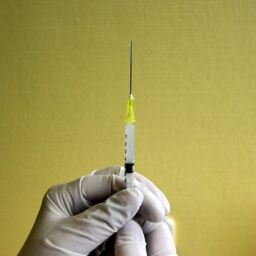
Fentanyl has become the leading driver of overdose deaths in the United States. Researchers at the University of Houston have developed an experimental vaccine designed to stop the drug from reaching the brain, which could one day help people in recovery avoid relapse and fatal overdoses.
Why fentanyl is so dangerous
Fentanyl is a synthetic opioid that the U.S. Drug Enforcement Administration estimates is 50 to 100 times more potent than morphine. It was originally developed as a powerful pain medicine, often for people with cancer. Illegally made fentanyl is now frequently mixed into heroin, counterfeit pills and other drugs, and many people take it without knowing. Even a tiny amount can stop a person’s breathing.
According to the CDC, deaths involving synthetic opioids rose by more than 56% from 2019 to 2020 and made up more than 80% of opioid-involved deaths that year.
How the vaccine works
Most vaccines teach the immune system to recognize germs. This one teaches it to recognize fentanyl. When a vaccinated person is exposed to the drug, antibodies bind to it in the bloodstream and stop it from crossing into the brain. The bound drug is then cleared from the body through the kidneys.
If fentanyl can’t reach the brain, it can’t produce a high, and it can’t trigger the breathing problems that make overdoses deadly. The research team, led by Professor Colin Haile, described the vaccine as a potential “relapse prevention” tool for people trying to quit. The work was published in the journal Pharmaceutics in 2022.
Where the research stands
So far, the vaccine has been tested in animal studies, where it blocked fentanyl’s effects. Before it can be tested in people, it needs further safety studies and approval from the U.S. Food and Drug Administration to begin human clinical trials. At the time, the researchers estimated it could take several years to become available, if trials succeed.
A vaccine would not be a cure for opioid addiction on its own. It wouldn’t protect against other opioids or address the reasons people use drugs. But because a large majority of people recovering from opioid use disorder experience relapse at some point, a tool that makes relapse less dangerous could save many lives.
What can help today
Effective help for opioid use disorder exists right now:
- Medications work. Buprenorphine, methadone and naltrexone are proven treatments that reduce cravings and lower the risk of overdose death. Ask a doctor or treatment provider about them.
- Carry naloxone. Naloxone (Narcan) can reverse an opioid overdose. It’s available without a prescription in the U.S., and anyone can learn to use it.
- Know the signs of an overdose. Watch for pinpoint pupils, slow or stopped breathing, unresponsiveness, and blue or gray lips. Call emergency services and give naloxone if you have it.
- Use fentanyl test strips. In many areas, these inexpensive strips can detect fentanyl in a drug sample before it’s used.
- Never use alone. Having someone nearby who can respond can be lifesaving.
- Reach out for support. In the U.S., the SAMHSA National Helpline (1-800-662-4357) offers free, confidential treatment referrals 24/7.
The bottom line
An experimental vaccine that keeps fentanyl out of the brain showed promise in early research and could become a new tool against the opioid crisis. While it moves toward human trials, proven treatments and naloxone are available today and save lives.
This article is for general information and isn’t medical advice. Talk with your healthcare provider about your individual needs.