Exercise is good for the heart, lungs, mood and muscles. A large study from Southern California suggests it may also help protect against severe COVID-19, and that almost any amount of activity makes a difference.
How the study worked
Researchers analyzed health records for more than 194,000 adults who tested positive for COVID-19 between January 2020 and May 2021, before vaccines were widely available. Before their infection, these patients had been routinely asked at medical visits how many minutes per week they spent on moderate to vigorous physical activity, such as brisk walking. The team then compared their activity levels with how sick they became. The findings were published in the American Journal of Preventive Medicine.
What the researchers found
- Active people had better outcomes. Those who exercised regularly before getting COVID-19 had lower odds of being hospitalized, of their condition worsening and of dying.
- More activity meant more protection, but even modest amounts of exercise were linked to better outcomes than none at all.
- The benefit held across groups. The protective link was seen across sex, age, race, ethnicity and body weight, and in people with and without chronic conditions.
The researchers concluded that public health leaders should add physical activity to strategies for reducing the impact of COVID-19, alongside measures like vaccination.
Why exercise may help
Regular physical activity strengthens the immune system, improves heart and lung function, reduces inflammation and helps prevent or manage conditions such as obesity, diabetes and high blood pressure, all of which raise the risk of severe COVID-19. Fitter people may also have more physical reserve to recover from serious illness.
The pandemic also showed how quickly activity can drop. Lockdowns closed gyms, parks and sports programs, and many people became less active at home. That makes it all the more important to build movement into daily routines that don’t depend on a gym, such as walking, home workouts or active hobbies.
Keep in mind
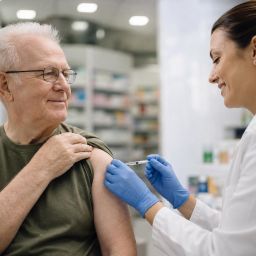
This study shows an association, not proof that exercise directly prevents severe COVID-19. People who exercise may also differ in other ways, such as diet or access to care. And exercise works alongside, not instead of, vaccines and other proven protections.
How much activity is enough?
U.S. guidelines recommend that adults get at least 150 minutes a week of moderate activity, such as brisk walking, or 75 minutes of vigorous activity, plus muscle-strengthening exercises at least two days a week. But this study suggests that any step up from being inactive is worthwhile.
What this means for you
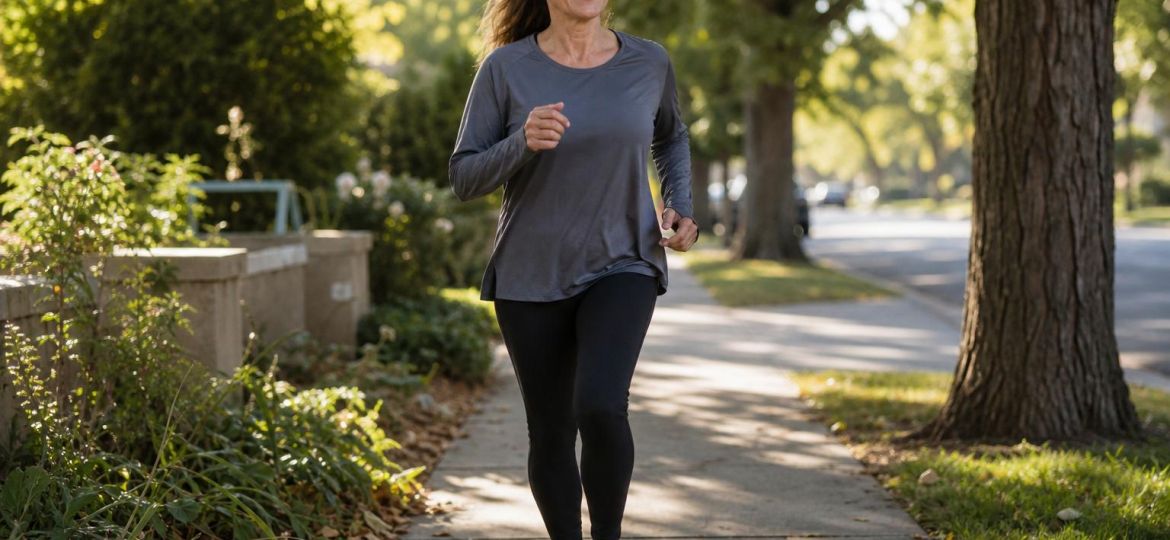
- Start where you are. If you’re inactive, even 10 minutes of walking a day is a meaningful start. Build up gradually.
- Find something you enjoy. Walking, cycling, swimming, dancing and gardening all count.
- Break it up. Short bouts of activity spread through the day add up.
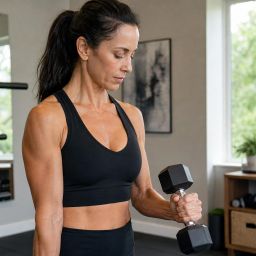
- Add strength training. Bodyweight exercises, resistance bands or weights help maintain muscle, especially as you age.
- Stay active safely. If you have heart disease, lung disease or another chronic condition, ask your doctor what’s right for you.
- Rest when you’re sick. Don’t exercise through a fever or while recovering from COVID-19. Return to activity gradually, and talk to your doctor if symptoms linger.
The bottom line
In a study of more than 194,000 adults, those who were physically active before getting COVID-19 were less likely to be hospitalized or die. Regular movement is one more way to help your body handle infections.
This article is for general information and isn’t medical advice. Talk with your healthcare provider about your individual needs.