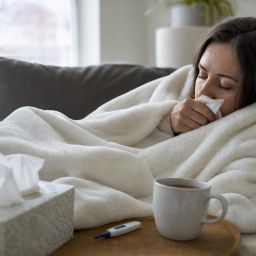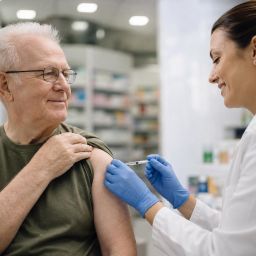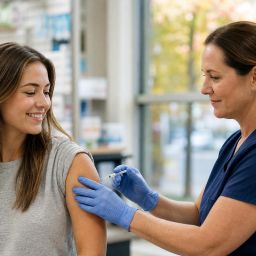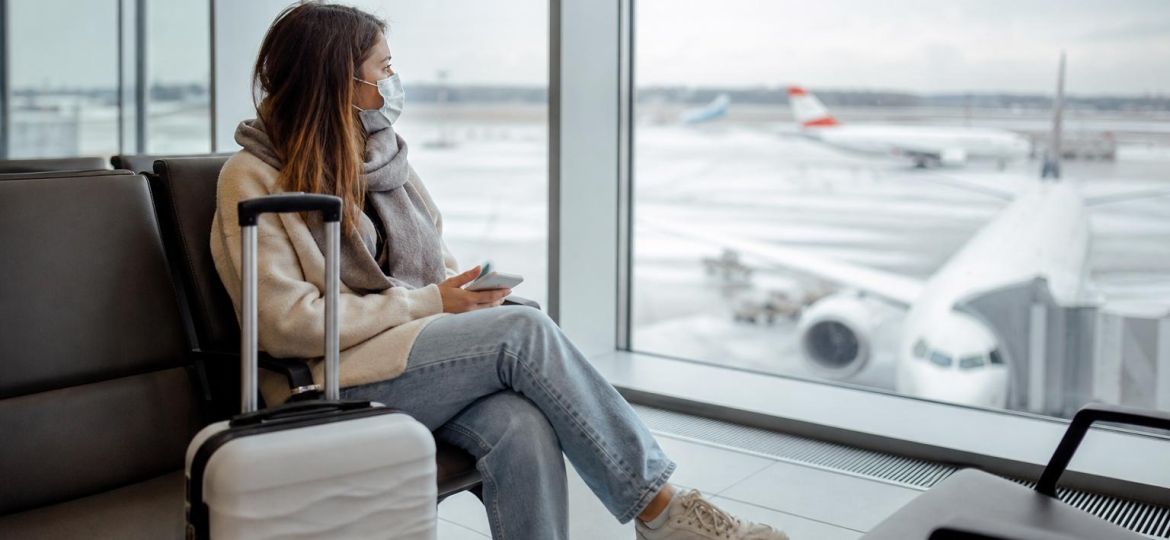
The busiest travel times of the year often overlap with the peak of respiratory virus season. During the 2022 holidays, more than 113 million Americans were expected to travel at least 50 miles, just as flu, RSV and COVID-19 were all circulating heavily, a combination many experts called a “tripledemic.” In response, the Centers for Disease Control and Prevention (CDC) urged travelers to take precautions on planes, trains and buses.
Why travel raises the risk
Travel puts many people from different places close together, often indoors and for hours at a time. Airports, stations, planes and buses can be crowded, and holiday gatherings bring together people of all ages, from newborns to grandparents. That makes it easier for viruses to spread, and harder to avoid exposure.
What the CDC recommended
During that surge, the CDC recommended wearing a high-quality, well-fitting mask or respirator over the nose and mouth in indoor areas of public transportation, such as airplanes, trains, buses and ferries, and in transportation hubs like airports and stations. Infectious disease experts pointed out that masks don’t just protect against COVID-19; they also reduce the spread of flu, RSV and other respiratory germs.
Public health guidance changes with the season and with how much virus is circulating, so it’s a good idea to check current recommendations before you travel.
Before you go
- Get your vaccines in time. Flu and COVID-19 vaccines take about two weeks to build protection, so get them well before a trip. Ask whether an RSV vaccine is recommended for you, especially if you’re 60 or older or pregnant.
- Pack a health kit. Include masks, hand sanitizer, a thermometer, rapid COVID-19 tests, any regular medications and basic cold and fever remedies.
- Have a plan if you get sick. Know how you would get care or antiviral treatment while away, especially if you’re at higher risk.
- Consider testing before visiting older relatives, newborns or anyone with a weakened immune system.
While you travel
- Wear a well-fitting mask in crowded indoor spaces like airport terminals and on planes, particularly during surges or if you’re at higher risk.
- Clean your hands often, especially before eating and after touching shared surfaces.
- Keep air moving. On planes, open the overhead air vent and point it toward you. In cars, crack a window when possible.
- Get rest and stay hydrated. Travel can be tiring, and fatigue can make you more vulnerable.
At gatherings
- Stay home if you’re sick. Postponing a visit protects vulnerable family members.
- Improve ventilation by opening windows or using an air purifier, or gather outdoors when the weather allows.
- Be extra careful around babies and older adults, who are most likely to become seriously ill from RSV, flu and COVID-19.
When to get help
Seek medical care for trouble breathing, chest pain, confusion, a high fever that won’t come down, or signs of dehydration. In babies, watch for fast or labored breathing, poor feeding and fewer wet diapers. People at higher risk should contact a doctor early, since antiviral treatment for flu and COVID-19 works best when started soon after symptoms begin.
The bottom line
Travel during respiratory virus season raises the chance of getting sick. Getting vaccinated ahead of time, wearing a mask in crowded indoor spaces and staying home when ill can help you and your family enjoy the trip safely.
This article is for general information and isn’t medical advice. Talk with your healthcare provider about your individual needs.