

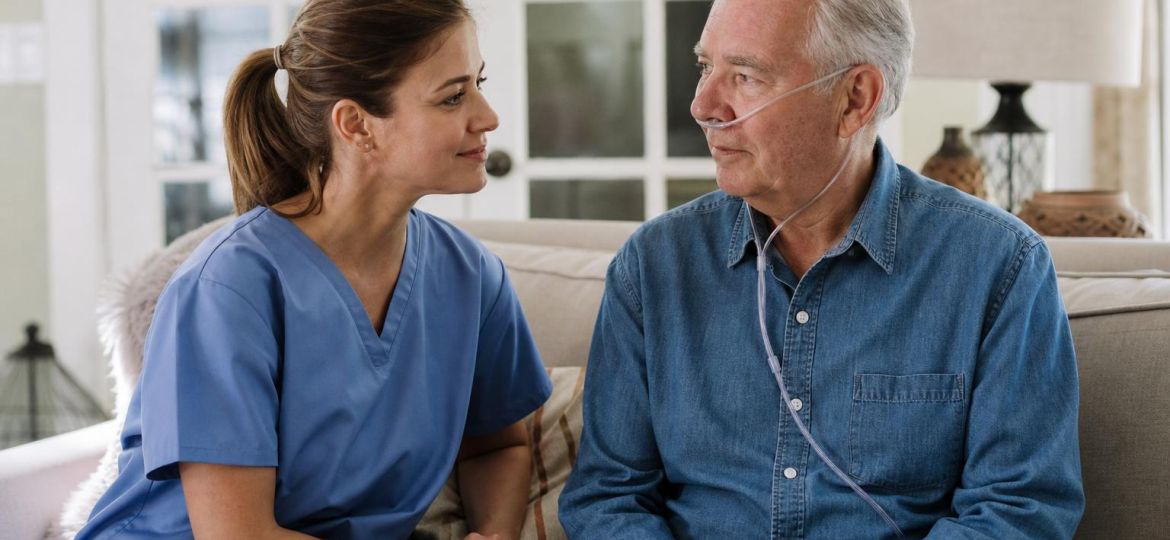
For people living with advanced lung disease, the hardest moments often come down to one fear: “What happens if I can’t breathe?” Hospice care is designed to answer that question with a plan, round-the-clock support and treatments focused on comfort. But many patients never get those benefits, or get them only in their final days, because hospice is still widely misunderstood.
A growing number of people with serious lung disease
Chronic obstructive pulmonary disease (COPD), emphysema, pulmonary fibrosis, bronchiectasis and other chronic lung conditions affect millions of people. Long-term smoking and workplace exposures are well-known causes. Doctors are also watching newer factors, including lung damage after COVID-19, exposures some veterans faced during deployment, and the possible long-term effects of smoking marijuana. Together, these point to a growing number of people who will need specialized lung care in the years ahead.
For people with these conditions, shortness of breath can make daily life frightening and isolating. Simple tasks like showering or walking to the kitchen can become exhausting.
The biggest myth about hospice
Many people, including some health professionals, believe hospice is only for the last few days or weeks of life. That’s not the case. People generally qualify for hospice when a physician determines that their life expectancy is six months or less if the illness follows its expected course. Hospice can provide comfort and support throughout those months, not just at the very end.
For lung disease, doctors usually look at two things when considering hospice eligibility:
- How severe the disease is. This often means shortness of breath at rest or with minimal effort, despite oxygen therapy. Unintended weight loss and needing more help with daily tasks are also common signs.
- Whether the disease is progressing. Signs include treatments no longer working as well, more emergency room visits or hospital stays, and repeated lung infections such as pneumonia or bronchitis.
Clinicians may also ask practical questions: Is the person spending half or more of their waking hours sitting or lying down? Do they have coughing, wheezing or breathlessness with little or no exertion? Do they need help with three or more basic activities like bathing, dressing or walking? If the answers are yes, it may be time to talk about hospice.
What hospice provides for people with lung disease
When someone enrolls in hospice, the team creates an individual care plan that includes specific steps for managing breathing emergencies at home. This plan is usually built with input from the person’s lung specialist and other clinicians, and it’s updated as symptoms change. Hospice care commonly includes:
- 24/7 access to help when breathing gets worse, so families aren’t left alone in a crisis.
- Medications, supplies and equipment related to the lung condition, such as oxygen, nebulizers, suction and a hospital bed.
- Treatments for flare-ups, such as steroids, antibiotics or extra oxygen, aimed at bringing symptoms under control without a hospital stay.
- A full team including nurses, aides, social workers, chaplains and grief counselors, who support both the patient and family.
Hospice teams are also trained to help patients manage the panic that often comes with breathlessness, which can make a big difference in day-to-day comfort.
Why planning ahead matters
Surveys from KFF have found that most Americans would prefer to die at home if given the choice. Yet many people with advanced lung disease still die in hospitals or nursing facilities, sometimes after intensive treatments such as breathing tubes or CPR that they may not have wanted. Talking about care wishes early, and writing them down in advance directives, helps make sure people receive the kind of care they actually want.
What this means for you
- Start the conversation early. Talking about care goals doesn’t mean giving up. It means having a plan if things change.
- Ask the doctor directly. If breathlessness is getting worse or hospital visits are becoming more frequent, ask whether hospice or palliative care could help.
- Put wishes in writing. A living will and a health care proxy help family members and clinicians honor your choices.
- Know that palliative care is an option too. Palliative care focuses on comfort and can be provided alongside treatment, at any stage of illness.
The bottom line
Hospice isn’t just for the final days. For people with advanced lung disease, an earlier referral can mean better breathing support at home, fewer hospital trips and more peace of mind for the whole family.
This article is for general information and isn’t medical advice. Talk with your healthcare provider about your individual needs.
