Atherosclerosis is the slow buildup of plaque inside the walls of your arteries. It’s the underlying cause of most heart attacks and many strokes, and it often develops silently over decades. Understanding how it happens can help you take steps to slow or stop it.
What is plaque?
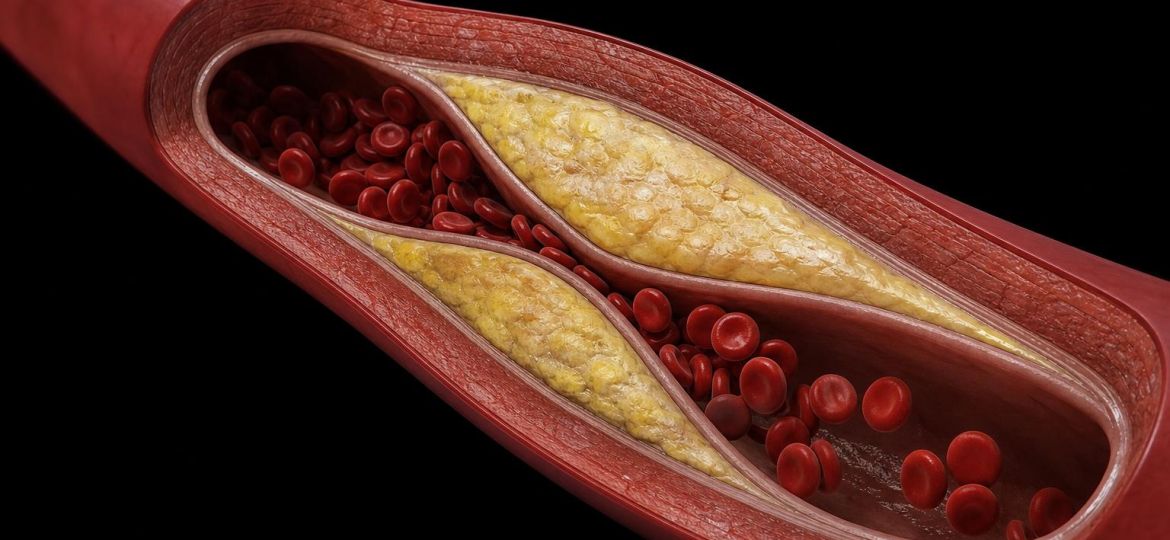
Plaque is a mix of cholesterol, fat, calcium, cellular waste and inflammatory cells that collects in the inner lining of an artery. Over time, plaque can harden and narrow the artery, reducing blood flow. It can also become unstable and rupture, triggering a blood clot that suddenly blocks blood flow.
How atherosclerosis develops
- Damage to the artery lining. High blood pressure, smoking, high blood sugar and high levels of LDL cholesterol can injure the inner wall of the artery.
- Cholesterol gets trapped. LDL particles slip into the damaged wall and become trapped.
- Inflammation. The body sends immune cells to the area, which take up cholesterol and form fatty streaks.
- Plaque grows. Over years, more cholesterol, cells and calcium accumulate, forming plaque covered by a fibrous cap.
- Rupture or narrowing. A plaque can grow large enough to restrict blood flow, or its cap can crack, causing a clot to form.
What atherosclerosis can lead to
- Coronary artery disease and heart attack, when arteries supplying the heart are affected.
- Stroke and TIA, when arteries supplying the brain, such as the carotid arteries, are affected.
- Peripheral artery disease, which reduces blood flow to the legs and can cause pain when walking.
- Kidney problems, when arteries to the kidneys narrow.
Risk factors
Some risk factors, like age, sex and family history, can’t be changed. But many can:
- High LDL cholesterol
- High blood pressure
- Smoking and vaping
- Diabetes
- Obesity
- Physical inactivity
- An unhealthy diet high in saturated fat, salt and added sugar
How to slow or prevent it
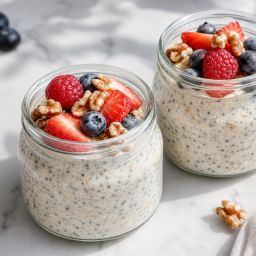
- Eat a heart-healthy diet like the Mediterranean diet, rich in vegetables, whole grains, beans, fish and olive oil.
- Be active. Our brisk walking interval plan is an easy place to start.
- Quit smoking. It’s one of the most powerful steps you can take.
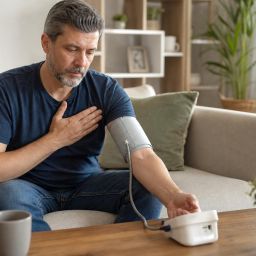
- Control blood pressure, cholesterol and blood sugar, with medicine if needed.
- Maintain a healthy weight.
Statins and other cholesterol-lowering medicines can slow plaque growth and help stabilize existing plaque, which lowers the chance of a heart attack or stroke.
What this means for you
Atherosclerosis usually causes no symptoms until an artery is significantly narrowed or blocked. That’s why knowing your numbers matters. Ask your doctor about checking your blood pressure, cholesterol and blood sugar, and about your overall risk of heart disease.
Know the warning signs of a heart attack, such as chest pain or pressure, shortness of breath and pain spreading to the arm, jaw or back, and of a stroke, using BE FAST. Call 911 right away if they occur.
The bottom line
Atherosclerosis is plaque buildup in the arteries that can lead to heart attack, stroke and other problems. Healthy habits and good control of blood pressure, cholesterol and blood sugar can slow it down and protect your heart and brain.
Common questions
Can plaque be reversed?
Aggressive lowering of LDL cholesterol, along with lifestyle changes, can stop plaque from growing and may shrink it slightly. Even when it doesn’t shrink, treatment can make plaque more stable and less likely to rupture.
Is atherosclerosis only a problem for older adults?
Plaque can start forming in childhood and early adulthood. Healthy habits at every age help slow its progress.
What tests can show atherosclerosis?
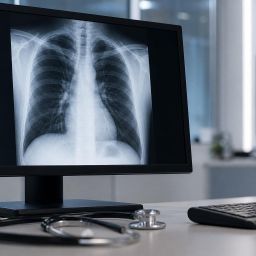
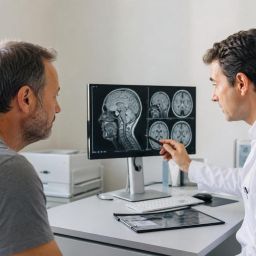
Depending on your risk, a doctor may use blood tests, an ECG, an ultrasound of the neck arteries, a coronary calcium scan or other imaging to look for signs of plaque.
This article is for general information and isn’t medical advice. Talk with your healthcare provider about your individual needs.