Imagine your face suddenly feels numb and your words come out jumbled, but 15 minutes later everything is back to normal. It might be tempting to brush it off. But this could have been a transient ischemic attack (TIA), often called a mini-stroke, and it’s a serious warning that a full stroke may be coming.
What is a TIA?
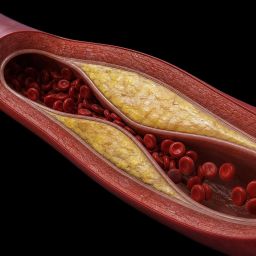
A TIA happens when blood flow to part of the brain, spinal cord or retina is blocked for a short time, usually by a clot. Symptoms are the same as a stroke but go away on their own, often within minutes and usually within an hour. Unlike a stroke, a TIA doesn’t cause lasting damage that shows up on brain scans.
The American Heart Association has emphasized that a TIA should be treated as a medical emergency, not a minor event, and that people should be evaluated promptly.
Symptoms of a TIA
TIA symptoms come on suddenly and follow the BE FAST pattern:
- Balance: dizziness or loss of coordination
- Eyes: vision loss or double vision
- Face: drooping or numbness on one side
- Arms: weakness or numbness, often on one side of the body
- Speech: slurred speech or trouble understanding
- Time: call 911
Learn more in our guide to BE FAST stroke warning signs.
Why a TIA is so important
A TIA is a warning sign. According to the American Stroke Association, a significant share of people who have a TIA will have a stroke afterward, and the risk is highest in the first days after the TIA. Prompt evaluation and treatment can greatly reduce that risk.
What to do
- Call 911 as soon as symptoms start. In the moment, you can’t tell whether symptoms will go away or become a full stroke.
- Note the time symptoms began.
- Get evaluated even if you feel fine afterward. Don’t wait for a routine appointment.
How doctors evaluate a TIA
Doctors look for the cause so they can prevent a stroke. Tests may include:
- Brain imaging, such as a CT or MRI scan
- Imaging of the arteries in the neck to check for narrowing
- Heart tests, such as an ECG or heart monitor, to look for atrial fibrillation
- Blood tests for cholesterol, blood sugar and clotting
Preventing a stroke after a TIA
Treatment depends on the cause and may include:
- Medicines that help prevent clots, such as antiplatelet drugs or blood thinners
- Medicine to lower blood pressure and cholesterol, such as a statin
- A procedure to open a severely narrowed neck artery
- Treatment for atrial fibrillation if it’s found
- Lifestyle changes: quitting smoking, eating a heart-healthy diet, exercising, limiting alcohol and managing diabetes
What this means for you
Never ignore stroke symptoms, even if they disappear quickly. A TIA is your body’s warning, and acting on it can prevent a disabling stroke. If you’ve had a TIA, work closely with your doctor on a prevention plan and take your medicines as prescribed.
The bottom line
A TIA causes temporary stroke symptoms but signals a high risk of a full stroke, especially in the following days. Call 911 for any stroke symptoms, get evaluated quickly and follow your prevention plan.
Common questions
Is a TIA the same as a stroke?
No. A TIA’s symptoms go away and it doesn’t cause lasting brain damage, while a stroke causes injury to brain tissue. But both are emergencies, and a TIA can be followed by a stroke.
Can I have a TIA without knowing it?
Yes. Symptoms can be brief or subtle and easy to dismiss. Any sudden neurological symptom, even if it passes, should be checked.
This article is for general information and isn’t medical advice. Talk with your healthcare provider about your individual needs.