Atrial fibrillation, often called AFib, is the most common type of irregular heartbeat. Millions of people in the U.S. live with it, and many don’t know they have it. AFib itself isn’t usually life-threatening, but it greatly increases the risk of stroke. According to the American Heart Association, people with AFib are about five times more likely to have a stroke.
What is AFib?
In a normal heartbeat, the upper chambers of the heart (the atria) contract in a steady rhythm. In AFib, chaotic electrical signals cause the atria to quiver rapidly and irregularly instead of squeezing effectively. This can cause an irregular, often fast heartbeat.
How AFib leads to stroke
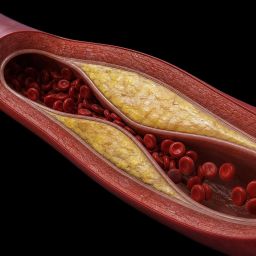
When the atria quiver instead of contracting, blood doesn’t flow out of them completely. Blood can pool, especially in a small pouch of the left atrium, and form clots. If a clot breaks loose, it can travel to the brain and block an artery, causing a stroke. Strokes caused by AFib tend to be more severe than other types.
Symptoms of AFib
- A fluttering, racing or pounding heartbeat
- Fatigue or weakness
- Shortness of breath
- Dizziness or lightheadedness
- Chest discomfort
- Reduced ability to exercise
Some people have no symptoms at all, and AFib is found during a routine exam or on a smartwatch alert.
Who is at risk?
The risk of AFib rises with age. Other risk factors include high blood pressure, heart disease, heart failure, diabetes, obesity, sleep apnea, thyroid disease, heavy alcohol use and a family history of AFib.
Lowering stroke risk with AFib
The good news is that treatment can greatly reduce the risk of stroke:
- Blood thinners (anticoagulants): these medicines lower the risk of clots forming. Your doctor will estimate your stroke risk using factors like age, blood pressure, diabetes and history of stroke to decide whether you need one.
- Heart rate and rhythm control: medicines or procedures can slow the heart rate or restore a normal rhythm.
- Procedures: for some people who can’t take blood thinners long term, a device can close off the pouch in the heart where clots tend to form.
- Managing risk factors: controlling blood pressure, treating sleep apnea, losing weight, limiting alcohol and staying active can reduce AFib episodes. Learn about how high blood pressure affects the heart.
Know the signs of stroke
If you have AFib, it’s especially important to know the warning signs of stroke. Remember BE FAST: Balance, Eyes, Face, Arms, Speech, Time to call 911.
What this means for you
If you notice an irregular or racing heartbeat, or your smartwatch alerts you to a possible irregular rhythm, talk with your doctor. If you’ve been diagnosed with AFib, ask about your stroke risk and whether a blood thinner is right for you. Take medicines as prescribed and don’t stop blood thinners without talking to your doctor.
The bottom line
AFib causes an irregular heartbeat that allows clots to form, raising stroke risk about fivefold. Diagnosis, blood thinners when appropriate and good control of related conditions can dramatically lower that risk.
Common questions
Can a smartwatch detect AFib?
Some smartwatches can alert you to a possible irregular rhythm. They can’t diagnose AFib on their own, so follow up with your doctor for proper testing.
Does AFib go away?
AFib can come and go (paroxysmal) or be persistent. Even occasional AFib raises stroke risk, so it should be evaluated and managed.
Do blood thinners increase bleeding risk?
Yes, blood thinners raise the risk of bleeding. Your doctor weighs that against your stroke risk. Tell your doctor about any unusual bleeding or bruising.
This article is for general information and isn’t medical advice. Talk with your healthcare provider about your individual needs.