Your liver performs hundreds of jobs, from filtering toxins and storing energy to making proteins and helping digest fat. It’s also remarkably resilient, which means liver disease often causes no symptoms until significant damage has occurred. Knowing the warning signs, and your risk factors, can help you get checked before problems become serious.
Why liver disease is easy to miss
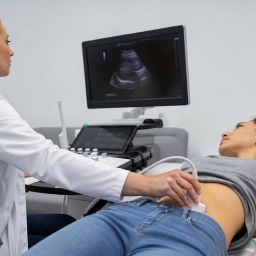
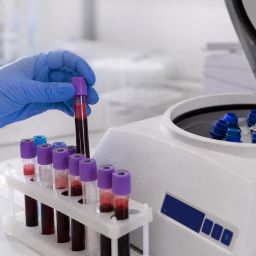
Early liver problems, such as fatty liver disease or chronic hepatitis, usually have no symptoms at all. Many people find out only when routine blood work shows abnormal liver function tests or an imaging test is done for another reason.
Common warning signs
- Yellowing of the skin and whites of the eyes (jaundice), caused by a buildup of bilirubin
- Dark urine, like tea or cola
- Pale, clay-colored or gray stools
- Persistent itching without a rash
- Fatigue and weakness that don’t improve with rest
- Loss of appetite, nausea or unexplained weight loss
- Pain or discomfort in the upper right side of the abdomen
- Swelling in the legs, ankles or abdomen from fluid buildup
- Easy bruising or bleeding, because the liver makes clotting proteins
- Small, spider-like blood vessels on the skin, especially the chest
- Red palms
Signs of an emergency
Seek emergency care right away for:
- Vomiting blood or material that looks like coffee grounds
- Black, tarry or bloody stools
- Sudden confusion, extreme drowsiness or personality changes
- Severe abdominal pain
- Rapidly worsening jaundice
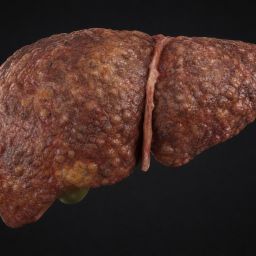
These can signal serious complications of advanced liver disease, such as bleeding varices or hepatic encephalopathy. Learn more about cirrhosis.
Who should get checked?
Talk with your doctor about liver testing if you:
- Have type 2 diabetes, obesity or metabolic syndrome
- Drink alcohol heavily or regularly
- Have risk factors for hepatitis B or C, or have never been tested
- Have a family history of liver disease
- Take medicines or supplements that can affect the liver
Protecting your liver
- Maintain a healthy weight and stay active.
- Limit alcohol. Read about alcohol and your liver.
- Get vaccinated against hepatitis A and B.
- Use medicines, especially acetaminophen, only as directed.
- Be cautious with herbal and dietary supplements.
- Eat a balanced diet. See our diet tips for fatty liver disease.
What this means for you
Don’t wait for symptoms. If you have risk factors, ask your doctor about screening. If you notice any of the warning signs above, make an appointment promptly, and call 911 for emergency symptoms.
The bottom line
Liver disease is often silent in its early stages. Jaundice, dark urine, pale stools, itching, swelling and easy bruising are warning signs that need medical attention, and knowing your risk factors can help you catch problems early.
Common questions
Can liver damage be reversed?
Early damage, such as fatty liver or mild inflammation, can often improve with treatment and lifestyle changes. Advanced scarring is usually permanent, which is why early detection matters.
Is right-side abdominal pain always from the liver?
No. Pain in that area can also come from the gallbladder, kidneys, intestines or muscles. A doctor can help find the cause.
Can liver disease cause bad breath or confusion?
In advanced liver disease, toxins can build up and cause confusion, drowsiness or a musty breath odor. These need prompt medical attention.
What’s the most common cause of liver disease today?
Fatty liver disease linked to excess weight and metabolic conditions is now the most common cause of chronic liver disease in many countries.
This article is for general information and isn’t medical advice. Talk with your healthcare provider about your individual needs.