Fatty liver disease is one of the most common liver conditions, affecting a large share of adults. It happens when extra fat builds up in liver cells. The most common form, now often called metabolic dysfunction-associated steatotic liver disease (MASLD), is closely linked to excess weight, type 2 diabetes, high blood pressure and high cholesterol. It was previously known as nonalcoholic fatty liver disease (NAFLD).
Fatty liver often causes no symptoms, but over time it can lead to inflammation and scarring. The encouraging news is that diet and lifestyle changes can reduce liver fat and, in many cases, help the liver heal.
Why diet matters
The National Institute of Diabetes and Digestive and Kidney Diseases (NIDDK) explains that for people with fatty liver disease who are overweight, losing weight through healthy eating and physical activity is one of the most effective ways to reduce fat, inflammation and scarring in the liver. Even modest weight loss can help. NIDDK notes that losing at least 3% to 5% of body weight can reduce liver fat, and greater weight loss may improve inflammation and scarring.
Foods to limit
- Added sugars, especially sugary drinks like soda, sweet tea and fruit punch. Fructose in these drinks is processed by the liver and can promote fat buildup.
- Refined carbohydrates such as white bread, white rice, pastries and sugary cereals.
- Saturated fat from fatty meats, butter and full-fat processed foods.
- Highly processed foods and fast food, which are often high in sugar, salt and unhealthy fats.
- Alcohol. Ask your doctor whether you should avoid it completely.
Foods to eat more of
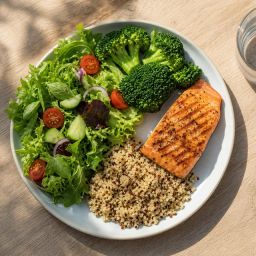
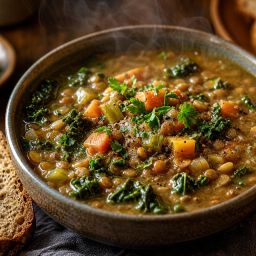
- Vegetables and fruits for fiber, vitamins and antioxidants.
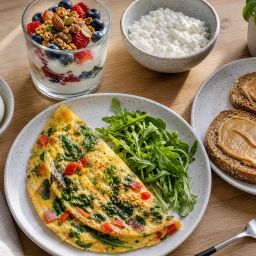
- Whole grains such as brown rice, oats and whole-wheat bread.
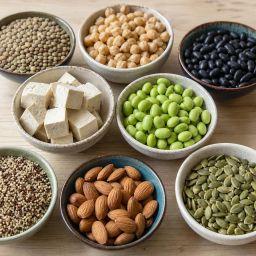
- Lean proteins including fish, poultry, beans and tofu.
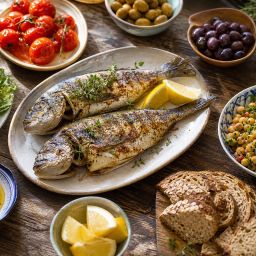
- Healthy fats from olive oil, nuts and fatty fish like salmon.
- Water instead of sugary drinks.
A Mediterranean-style eating pattern, which emphasizes these foods, is often recommended for people with fatty liver disease.
Practical tips
- Replace one sugary drink a day with water or sparkling water.
- Swap white rice and bread for whole-grain versions.
- Cook at home more often so you control the ingredients.
- Fill half your plate with vegetables.
- Aim for gradual weight loss, about 1 to 2 pounds a week, rather than crash dieting. Losing weight too quickly can be hard on the liver.
Liver-friendly recipes to try
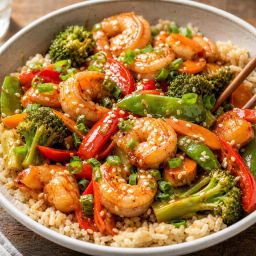
- Shrimp and Vegetable Stir-Fry with Brown Rice: lean protein, lots of vegetables and a whole grain, with no added sugar in the sauce.
- Sheet-Pan Mediterranean Salmon with Vegetables: omega-3-rich fish and olive oil in a Mediterranean-style meal.
What this means for you
Diet works best together with physical activity, which can reduce liver fat even without major weight loss. Aim for at least 150 minutes of moderate activity a week, such as brisk walking.
Because fatty liver disease often has no symptoms, it’s usually found through blood tests or imaging. If you have risk factors like type 2 diabetes or obesity, ask your doctor whether you should be checked. Talk with your doctor before taking supplements, as some can harm the liver.
The bottom line
Cutting back on added sugars, refined carbohydrates and saturated fat while eating more vegetables, whole grains and lean proteins can help reduce liver fat. Combined with regular activity and gradual weight loss, these changes can help protect and even heal your liver.
Common questions
Can fatty liver disease be reversed?
In many people, yes. Losing weight, eating a healthier diet and being more active can reduce liver fat and inflammation, especially when changes are made early.
Is coffee good for the liver?
Some studies have linked coffee drinking with a lower risk of liver scarring, but more research is needed. Skip the added sugar and cream, and talk with your doctor about what’s right for you.
This article is for general information and isn’t medical advice. Talk with your healthcare provider or a registered dietitian about your individual needs, especially if you have a health condition or food allergies.