Managing diabetes can feel like it requires a calculator at every meal. Counting carbohydrates is useful for many people, but it isn’t the only approach. The diabetes plate method is a simple visual tool that helps you build balanced meals using nothing more than a standard dinner plate.
It’s widely recommended by diabetes educators because it’s easy to learn, works at home or in restaurants, and naturally controls portions of the foods that raise blood sugar the most.
How to build your plate
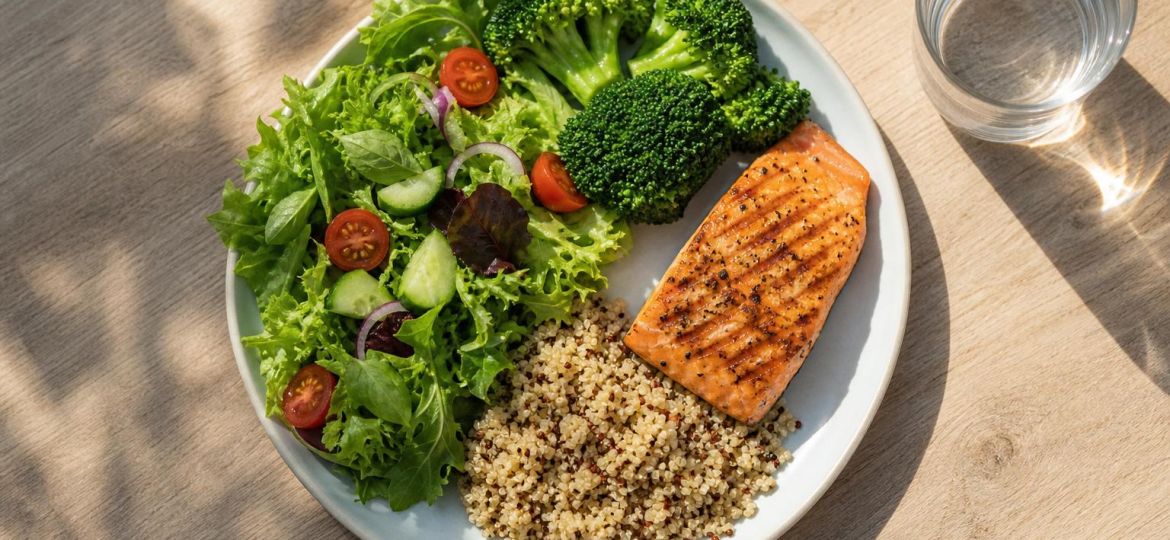
Start with a 9-inch plate (about the length of a standard business envelope). Then divide it into sections:
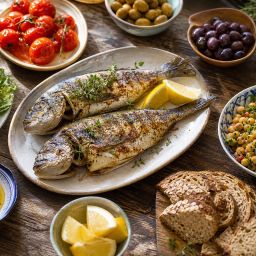
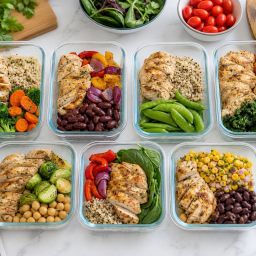
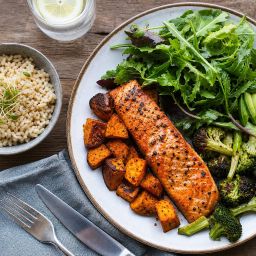
- Half the plate: non-starchy vegetables. Think leafy greens, broccoli, cauliflower, green beans, peppers, tomatoes, zucchini, mushrooms and salad.
- One quarter: lean protein. Chicken, fish, eggs, tofu, lean beef or cheese.
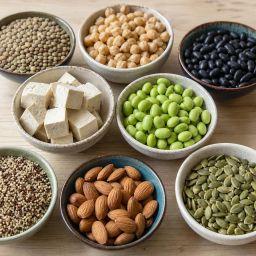
- One quarter: carbohydrate foods. Whole grains like brown rice or whole-wheat pasta, starchy vegetables like potatoes, corn or peas, beans and lentils, or fruit.
Choose water or a zero-calorie drink to go with your meal.
Why it works
Carbohydrates have the biggest effect on blood sugar. By limiting carbohydrate foods to a quarter of the plate, you naturally keep portions in check without measuring. Filling half the plate with non-starchy vegetables adds fiber, vitamins and volume, so you feel full on fewer calories. Protein and fiber also slow digestion, which helps prevent sharp spikes in blood sugar after meals.
Tips for making it work
- Choose high-fiber carbohydrates. Beans, lentils, whole grains and sweet potatoes are digested more slowly than white bread or white rice.
- Watch mixed dishes. For casseroles, chili or stir-fries, estimate how much of the dish is vegetables, protein and starch, and add a side salad if needed.
- Use healthy fats in small amounts. Olive oil, avocado and nuts are good choices.
- Be consistent. Eating similar amounts of carbohydrate at regular times helps keep blood sugar steady.
- Plan snacks. Pair a carbohydrate with protein, such as an apple with peanut butter.
Plate-friendly recipes to try
- Black Bean and Sweet Potato Chili: serve about 1 1/2 cups alongside a large salad.
- Greek Yogurt Chicken Salad Lettuce Wraps: high in protein and low in carbohydrates, with fruit on the side.
What this means for you
The plate method is a great starting point, especially if you’ve been newly diagnosed or find carb counting overwhelming. It also works well for people with prediabetes and anyone who wants to eat a more balanced diet.
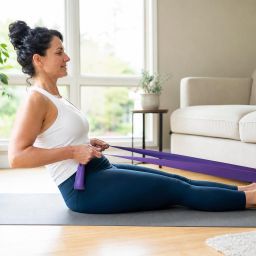
Physical activity is the other half of blood sugar management. Strength training, like our resistance band workout, helps your muscles use glucose more effectively.
If you use insulin or medicines that can cause low blood sugar, work with your healthcare team or a diabetes educator to make sure your meal plan matches your medicine. They can help you decide whether the plate method alone is enough or whether carbohydrate counting would help.
The bottom line
Fill half your plate with non-starchy vegetables, a quarter with lean protein and a quarter with carbohydrate foods. The diabetes plate method is a simple, flexible way to build balanced meals that support steadier blood sugar.
Common questions
Can I use the plate method at restaurants?
Yes. Look at your plate and ask for extra vegetables in place of fries or a second starch, and consider boxing up half of a large portion before you start eating.
Is fruit allowed?
Yes. Fruit counts toward the carbohydrate quarter of your plate or can be a snack. Whole fruit is a better choice than juice because it contains fiber.
This article is for general information and isn’t medical advice. Talk with your healthcare provider or a registered dietitian about your individual needs, especially if you have a health condition or food allergies.