Protein doesn’t have to come from meat. Beans, lentils, tofu, nuts, seeds and whole grains can provide plenty of protein, along with fiber, vitamins and minerals that animal foods lack. Whether you’re vegetarian, trying to eat less meat or simply looking to add variety, plant proteins are worth getting to know.
Why choose more plant protein?
Harvard Health Publishing notes that people who get more of their protein from plants tend to have a lower risk of heart disease and other chronic conditions, likely because plant proteins come packaged with fiber and healthy fats instead of saturated fat. Swapping some red and processed meat for beans or nuts is an easy way to improve the overall quality of your diet.
Plant proteins are also budget-friendly. Dried beans and lentils are among the least expensive protein sources available.
The best plant protein sources
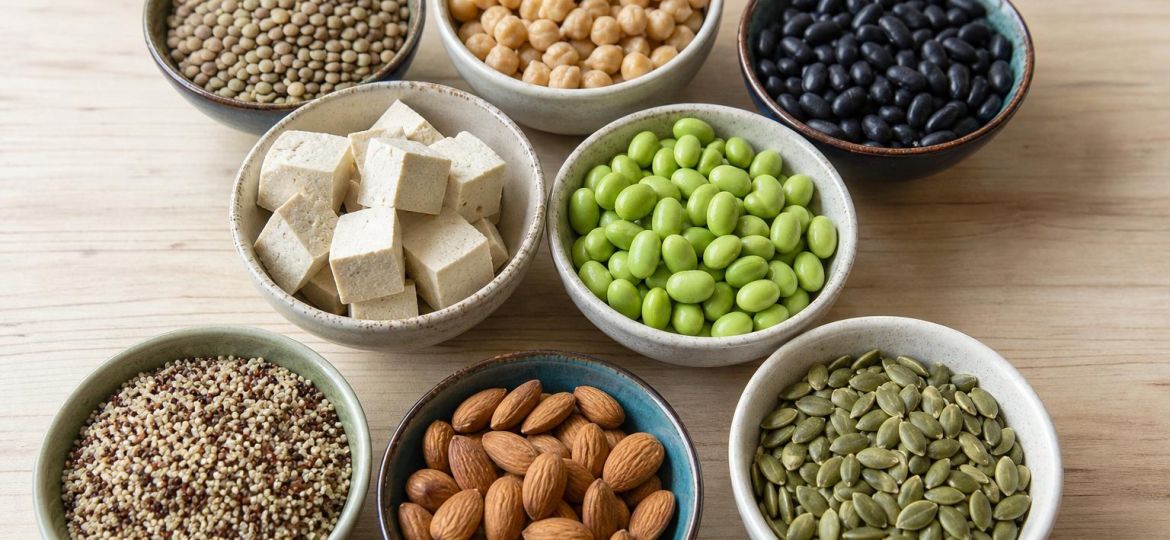
- Lentils: about 18 grams of protein per cooked cup, and they cook in 20 to 30 minutes without soaking.
- Beans and chickpeas: about 14 to 15 grams per cooked cup.
- Tofu, tempeh and edamame: soy foods are among the richest plant proteins.
- Nuts and nut butters: about 4 to 7 grams per ounce or two tablespoons.
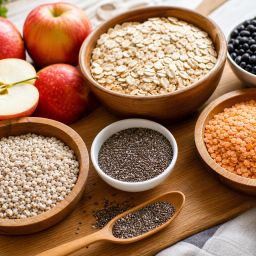
- Seeds: hemp, pumpkin, chia and sunflower seeds.
- Whole grains: quinoa, oats, farro and whole-wheat pasta contribute meaningful amounts.
- Vegetables: peas, spinach and broccoli add smaller amounts.
How much protein do you need?
Most healthy adults need about 0.8 grams of protein per kilogram of body weight per day, or roughly 0.36 grams per pound. For a 150-pound adult, that’s about 54 grams. Older adults, athletes and people recovering from illness may need more. Spreading protein across meals helps you feel full and supports muscle.
Do you need to combine proteins?
Plant proteins vary in their mix of amino acids, the building blocks of protein. You may have heard that you need to combine foods, like rice and beans, at the same meal to get “complete” protein. In reality, eating a variety of plant foods throughout the day is enough for most people. Your body pools amino acids from different meals.
Easy ways to add more plant protein
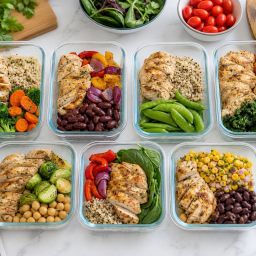
- Add chickpeas or white beans to salads and pasta dishes.
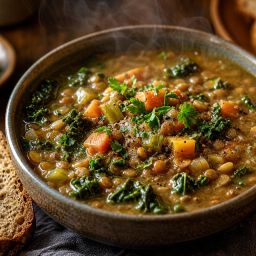
- Make a big pot of lentil soup or bean chili for the week.
- Swap half the ground meat in tacos or sauces for lentils or beans.
- Snack on edamame, roasted chickpeas or a handful of nuts.
- Stir nut butter or hemp seeds into oatmeal.
Plant-protein recipes to try
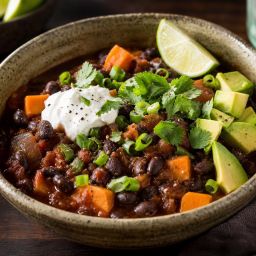
- Black Bean and Sweet Potato Chili: a hearty, meatless chili with two cans of black beans.
- Hearty Lentil and Vegetable Soup: lentils provide protein and fiber in every bowl.
What this means for you
You don’t have to go fully vegetarian to benefit. Try one or two meatless meals a week and build from there. If you increase beans and lentils, do it gradually and drink plenty of water to avoid gas and bloating.
People with kidney disease may need to manage their protein and potassium intake carefully, so check with a doctor or dietitian before making big changes.
The bottom line
Beans, lentils, soy, nuts, seeds and whole grains are excellent sources of protein that also provide fiber and healthy fats. Eating a variety of plant foods throughout the day makes it easy to meet your protein needs.
Common questions
Can I build muscle on plant protein?
Yes. As long as you eat enough total protein from a variety of sources and do regular strength training, plant protein can support muscle growth and maintenance.
Are canned beans as healthy as dried?
Canned beans are just as nutritious and much more convenient. Choose no-salt-added versions or rinse them to remove some of the sodium.
This article is for general information and isn’t medical advice. Talk with your healthcare provider or a registered dietitian about your individual needs, especially if you have a health condition or food allergies.