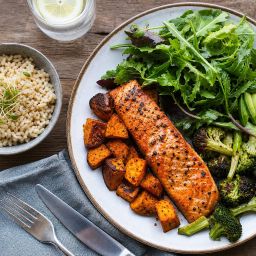
With so many diets competing for attention, it can be hard to know where to start. The good news is that the most effective plans for lasting weight loss tend to share the same foundations: plenty of vegetables, fruits, whole grains and lean proteins, fewer processed foods, and habits you can keep up. Here are four well-researched eating patterns and what makes each one work.
1. The Mediterranean diet
Often described as a way of eating rather than a strict diet, the Mediterranean pattern centers on vegetables, fruits, beans, lentils, nuts, whole grains and olive oil, with moderate amounts of fish, poultry and dairy and little red meat. Research links it to lower risks of heart disease, type 2 diabetes and cognitive decline, and it can support weight loss when portions are reasonable.
Good for: people who want a flexible, enjoyable pattern for the long term.
2. The DASH diet
DASH (Dietary Approaches to Stop Hypertension) was designed to lower blood pressure. It emphasizes vegetables, fruits, whole grains, low-fat dairy, lean meats, fish, beans and nuts, and limits salt, added sugar and saturated fat. Studies show that DASH combined with exercise and reduced calories can help people lose weight while improving blood pressure.
Good for: people with high blood pressure or a family history of heart disease.
3. Volumetrics
Developed by nutrition scientist Dr. Barbara Rolls, Volumetrics focuses on energy density, meaning how many calories a food contains for its weight. The idea is to fill up on foods with high water and fiber content, such as soups, salads, vegetables and fruits, so you feel satisfied while eating fewer calories. Foods are grouped from very low energy density, which you can eat freely, to high energy density, like fried and processed foods, which are eaten sparingly.
Good for: people who feel hungry on other diets and want to eat satisfying portions.
4. The MIND diet
MIND combines elements of the Mediterranean and DASH diets with a focus on brain health. It encourages leafy greens, other vegetables, berries, nuts, beans, whole grains, fish, poultry and olive oil, and limits pastries and sweets, red meat, cheese, butter and fried foods. It was designed to lower the risk of dementia, and its emphasis on whole foods can also support a healthy weight.
Good for: people who want to protect long-term brain health along with their waistline.
What all four have in common
- Lots of plants, fiber and whole foods
- Healthy fats instead of saturated and trans fats
- Fewer sugary drinks, sweets and processed foods
- Flexibility, so you can stick with them
Tips for success
- Pick a plan that fits your life. The best diet is one you can enjoy and maintain.
- Make gradual changes. Swap one habit at a time rather than overhauling everything at once.
- Pair healthy eating with activity. Regular exercise helps with weight loss and keeping it off.
- Aim for steady progress. Slow, sustainable weight loss is more likely to last.
- Get support. A registered dietitian can tailor a plan to your health needs.
- Check with your doctor before major changes if you have health conditions or take medicines, especially for diabetes or blood pressure.
The bottom line
The Mediterranean, DASH, Volumetrics and MIND diets are all backed by research and built on whole, plant-rich foods. Choose the one that suits your tastes and goals, and focus on habits you can keep for life.
This article is for general information and isn’t medical advice. Talk with your healthcare provider about your individual needs.