When people think about lowering cholesterol, they often focus on what to cut out. But adding the right foods matters just as much. One of the most helpful nutrients for your cholesterol numbers is soluble fiber, found in foods like oats, beans, lentils and many fruits.
Mayo Clinic lists foods rich in soluble fiber, such as oatmeal and oat bran, among the top foods for improving cholesterol. Here’s how it works and how to get more of it.
Two types of fiber
Fiber is the part of plant foods your body can’t digest. There are two main types:
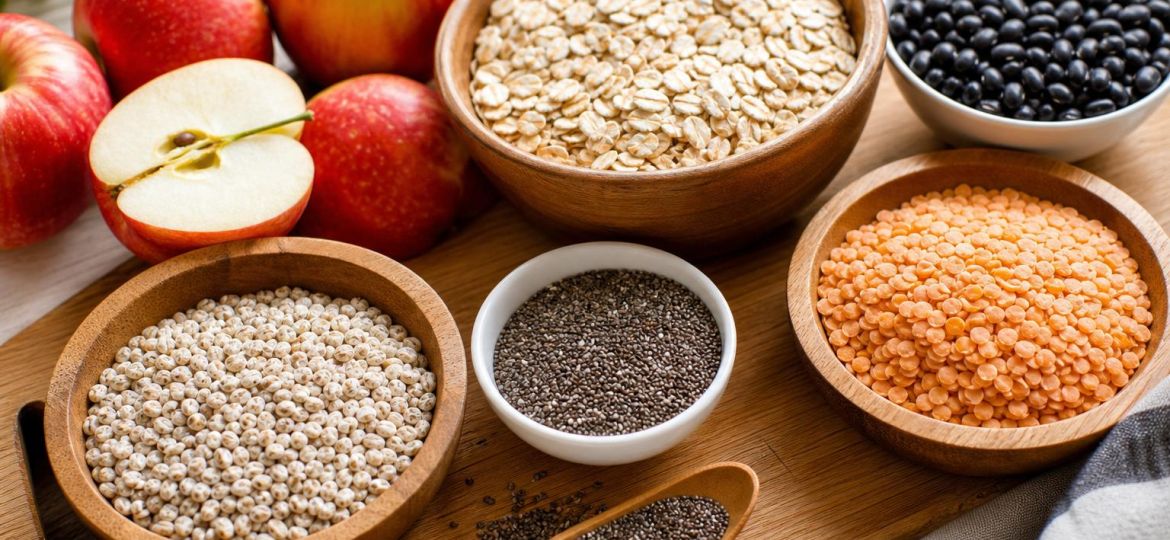
- Soluble fiber dissolves in water to form a gel-like material. It’s found in oats, barley, beans, lentils, apples, citrus fruits, carrots and chia seeds.
- Insoluble fiber doesn’t dissolve. It adds bulk to stool and helps food move through the digestive system. It’s found in whole-wheat products, nuts and many vegetables.
Most plant foods contain a mix of both, and both are good for you. But soluble fiber is the type most closely linked to lower cholesterol.
How soluble fiber lowers cholesterol
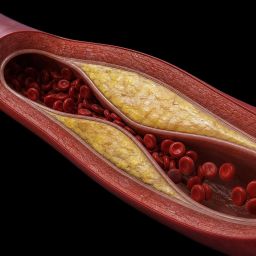
In your digestive tract, soluble fiber forms a gel that binds to bile acids, which are made from cholesterol. Instead of being reabsorbed, these bile acids are carried out of the body. To make more, your liver pulls cholesterol from the bloodstream, which helps lower LDL (“bad”) cholesterol over time.
Soluble fiber also slows digestion, which can help steady blood sugar and keep you feeling full longer, a bonus for weight management.
The best food sources
- Oats and oat bran: rich in beta-glucan, a particularly effective soluble fiber.
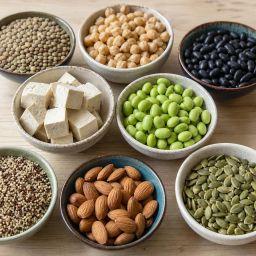
- Beans and lentils: black beans, kidney beans, chickpeas and lentils are excellent sources.
- Barley: great in soups and grain bowls.
- Fruits: apples, pears, oranges and berries.
- Vegetables: Brussels sprouts, carrots, sweet potatoes and broccoli.
- Seeds: chia seeds and ground flaxseed.
Easy ways to add more
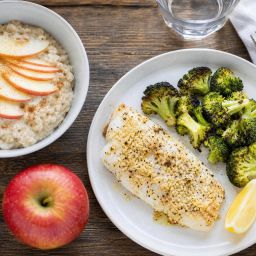
- Start your day with oatmeal or overnight oats.
- Add beans to salads, soups, chili and tacos.
- Choose whole fruit instead of juice.
- Sprinkle chia or ground flaxseed on yogurt or cereal.
- Try a meatless meal built around lentils or beans once or twice a week.
Increase fiber gradually and drink plenty of water. Adding too much too quickly can cause gas and bloating.
Recipes high in soluble fiber
- Overnight Oats with Berries and Chia: oats, chia seeds and berries in one make-ahead breakfast.
- Black Bean and Sweet Potato Chili: two cans of beans plus sweet potatoes.
- Hearty Lentil and Vegetable Soup: lentils, carrots and greens in every bowl.
What this means for you
Adding soluble fiber is a simple, food-first step toward healthier cholesterol. It works best as part of an overall heart-healthy eating pattern that also limits saturated fat, along with regular physical activity.
Diet changes can help, but they may not be enough for everyone. If your doctor has prescribed cholesterol-lowering medicine, keep taking it as directed, and ask how diet changes might fit into your plan. Get your cholesterol checked regularly to track your progress.
The bottom line
Soluble fiber binds to cholesterol-rich bile acids in the gut and helps lower LDL cholesterol. Oats, beans, lentils, fruits and seeds are some of the best sources, and they’re easy to work into everyday meals.
Common questions
How much fiber should I eat each day?
Most adults should aim for about 25 to 35 grams of total fiber a day, but many people get only about half that. Soluble fiber is part of that total. Increase gradually over a few weeks.
Do fiber supplements work too?
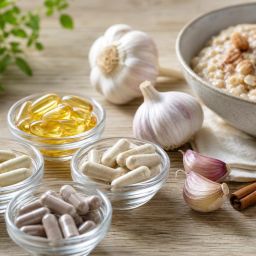
Supplements like psyllium can help lower cholesterol, but whole foods also provide vitamins, minerals and other nutrients. Ask your doctor before starting a supplement, especially if you take other medicines, since fiber can affect how some are absorbed.
This article is for general information and isn’t medical advice. Talk with your healthcare provider or a registered dietitian about your individual needs, especially if you have a health condition or food allergies.