Diabetes is the leading cause of kidney failure in the United States, and about 1 in 3 adults with diabetes has chronic kidney disease. Because kidney damage usually causes no symptoms until it’s advanced, many people don’t know it’s happening. The good news: simple yearly tests can catch it early, and treatments can slow or stop it.
How diabetes damages the kidneys
Your kidneys filter waste from your blood through millions of tiny blood vessels. Over time, high blood sugar can damage these vessels and the filters themselves. High blood pressure, which is common in people with diabetes, adds to the damage. As a result, the kidneys may start leaking protein (albumin) into the urine and gradually lose their ability to filter blood.
The two key tests
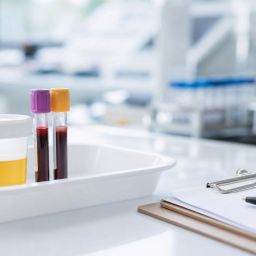
The National Kidney Foundation recommends that people with diabetes get two simple tests at least once a year:
- Urine albumin-to-creatinine ratio (UACR): checks for protein in the urine, often the earliest sign of kidney damage. A result of 30 mg/g or higher may mean kidney disease.
- Estimated glomerular filtration rate (eGFR): a blood test that estimates how well your kidneys filter. An eGFR below 60 for three months or more suggests kidney disease.
Learn more about kidney function tests.
Signs to watch for
Early kidney disease usually has no symptoms. Later signs can include swelling in the feet and ankles, foamy urine, fatigue, poor appetite, trouble concentrating and needing to urinate more or less often. Don’t wait for symptoms; get tested.
How to protect your kidneys
- Keep blood sugar in your target range. Know your A1C and work toward your goal.
- Control blood pressure. Many people with diabetes and kidney disease aim for less than 130/80. See what blood pressure numbers mean.
- Ask about kidney-protecting medicines. Certain blood pressure medicines (ACE inhibitors or ARBs) and newer diabetes medicines, such as SGLT2 inhibitors, can slow kidney disease in many people with diabetes.
- Limit sodium and follow a kidney-friendly eating plan if your doctor recommends it.
- Avoid regular use of NSAID pain relievers like ibuprofen and naproxen without your doctor’s advice. Read about pain relievers and your kidneys.
- Don’t smoke, and stay active.
What this means for you
If you have diabetes, ask your doctor at your next visit: “When were my UACR and eGFR last checked, and what were the results?” If kidney disease is found early, treatment can significantly slow its progression and lower the risk of heart disease, which is closely linked to kidney disease.
The bottom line
Diabetes can quietly damage the kidneys over time. Yearly urine and blood tests catch problems early, and good control of blood sugar and blood pressure, along with kidney-protecting medicines, can help keep your kidneys healthy.
Common questions
Can diabetic kidney disease be reversed?
Early damage can sometimes improve with good control of blood sugar and blood pressure, and treatment can slow or stop progression. More advanced damage usually can’t be reversed.
Does type 1 diabetes also affect the kidneys?
Yes. Both type 1 and type 2 diabetes can damage the kidneys, so yearly testing is recommended for both.
How often should people with diabetes get kidney tests?
At least once a year for both UACR and eGFR, and more often if results are abnormal or treatment changes.
Do SGLT2 inhibitors help people without diabetes?
Some SGLT2 inhibitors are also approved to slow chronic kidney disease in people without diabetes. Ask your doctor whether one is right for you.
This article is for general information and isn’t medical advice. Talk with your healthcare provider about your individual needs.