Fatty liver disease has quietly become one of the most common liver conditions in the world. The most common form, now called metabolic dysfunction-associated steatotic liver disease (MASLD), was previously known as nonalcoholic fatty liver disease (NAFLD). The name changed in 2023 to better reflect its strong link to metabolic health. According to the National Institute of Diabetes and Digestive and Kidney Diseases (NIDDK), it affects about 1 in 4 adults in the United States.
What is MASLD?
MASLD occurs when extra fat builds up in the liver in people who drink little or no alcohol and who have at least one metabolic risk factor, such as excess weight, high blood sugar, high blood pressure or abnormal cholesterol. In most people, fat in the liver causes no harm. But in some, it leads to inflammation and liver cell damage, a more serious form called MASH (metabolic dysfunction-associated steatohepatitis, formerly NASH). Over time, MASH can cause scarring (fibrosis), cirrhosis and liver cancer.
Who is at risk?
- People with overweight or obesity, especially extra fat around the waist
- People with type 2 diabetes or prediabetes
- People with high triglycerides or low HDL cholesterol
- People with high blood pressure
- People with metabolic syndrome
- Older adults
- People with sleep apnea or polycystic ovary syndrome
Symptoms
MASLD usually has no symptoms, especially early on. Some people feel tired or have discomfort in the upper right side of the abdomen. Symptoms of advanced liver disease, such as yellowing of the skin and eyes or swelling in the belly and legs, usually appear only after significant damage has occurred. Learn the signs of liver disease.
How it’s diagnosed
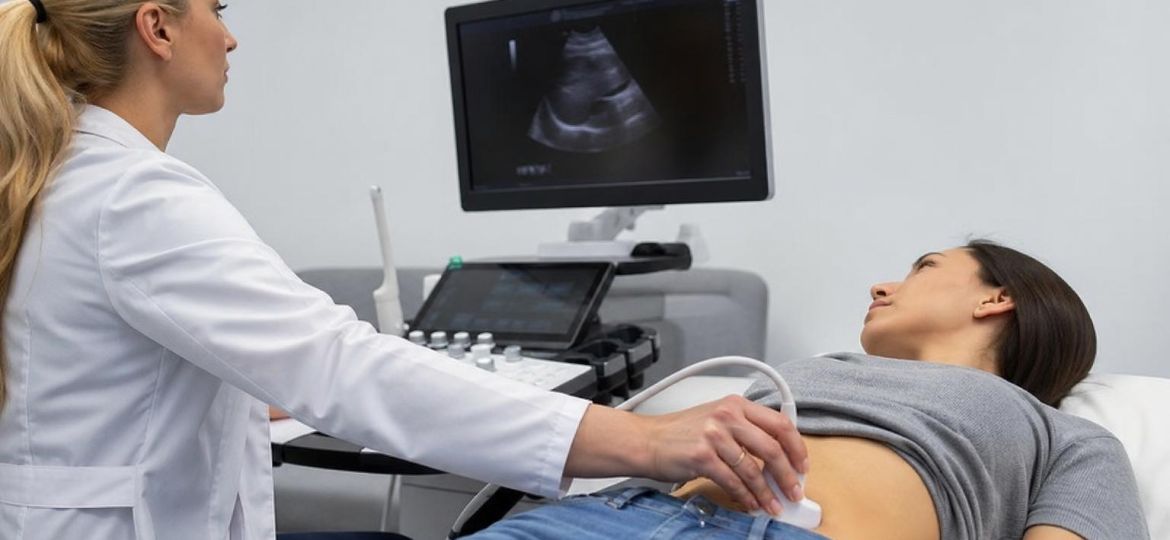
Fatty liver is often discovered when routine blood tests show elevated liver enzymes or when an ultrasound is done for another reason. Doctors may use liver function tests, imaging, special scans that measure liver stiffness and simple scoring tools to estimate the risk of scarring. A biopsy is sometimes needed.
Treatment
The main treatment is lifestyle change:
- Gradual weight loss. NIDDK notes that losing at least 3% to 5% of body weight can reduce liver fat, and greater weight loss can improve inflammation and scarring.
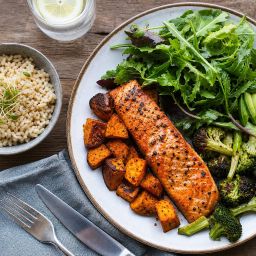
- Healthy eating. Limit added sugars, refined carbs and saturated fat. See our diet tips for fatty liver disease.
- Physical activity, which reduces liver fat even without weight loss.
- Managing diabetes, cholesterol and blood pressure.
- Limiting or avoiding alcohol. Read about alcohol and your liver.
For people with MASH and significant liver scarring, medicines are now available. Resmetirom was the first FDA-approved treatment for this condition, and others are being studied or have been approved more recently. Your doctor can tell you whether medicine is appropriate.
Try this liver-friendly dinner: Shrimp and Vegetable Stir-Fry with Brown Rice.
What this means for you
If you have type 2 diabetes, obesity or other metabolic risk factors, ask your doctor whether you should be checked for fatty liver disease. Catching it early, before scarring develops, gives you the best chance to protect your liver.
The bottom line
MASLD is a common, often silent condition linked to excess weight and metabolic health. Weight loss, healthy eating, regular activity and good control of related conditions can reduce liver fat and help prevent serious liver damage.
Common questions
Can fatty liver go away?
Yes, in many cases. Losing weight and making healthy changes can reduce liver fat and even reverse early damage.
Can thin people get fatty liver?
Yes. People with a normal weight can develop MASLD, especially if they have insulin resistance or other metabolic risk factors.
This article is for general information and isn’t medical advice. Talk with your healthcare provider about your individual needs.