

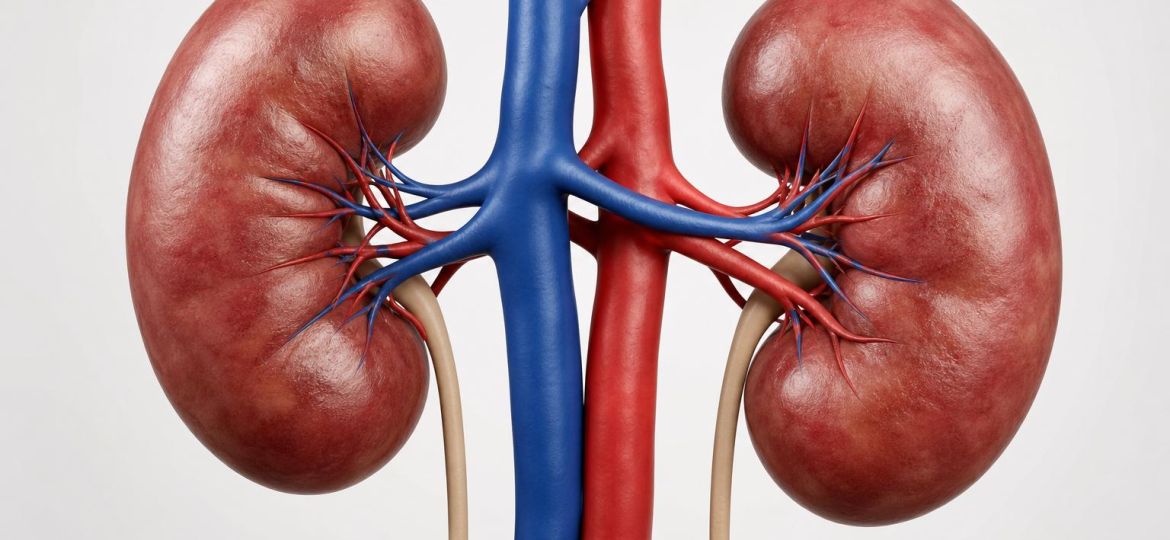
Chronic kidney disease (CKD) means your kidneys are damaged and can’t filter blood as well as they should. It’s common, affecting an estimated 1 in 7 U.S. adults, and most people who have it don’t know it. Because CKD usually causes no symptoms until it’s advanced, testing is the key to catching it early, when treatment can slow it down.
What your kidneys do
Your two kidneys filter waste and extra fluid from your blood, which leave your body as urine. They also help control blood pressure, make red blood cells and keep bones healthy by balancing minerals.
Main causes of CKD
- Diabetes, the leading cause. Read about diabetes and your kidneys.
- High blood pressure, the second leading cause. See how high blood pressure damages the kidneys.
- Other causes: heart disease, a family history of kidney failure, inherited conditions like polycystic kidney disease, glomerulonephritis, repeated kidney infections and long-term use of certain medicines.
The five stages of CKD
Doctors stage CKD mainly by eGFR, a blood test estimate of how well the kidneys filter (measured in mL/min/1.73m²):
- Stage 1: eGFR 90 or higher, with signs of kidney damage such as protein in the urine
- Stage 2: eGFR 60 to 89, with signs of kidney damage
- Stage 3a: eGFR 45 to 59
- Stage 3b: eGFR 30 to 44
- Stage 4: eGFR 15 to 29
- Stage 5: eGFR less than 15 (kidney failure)
The amount of protein (albumin) in the urine is also used to assess risk. Learn more about kidney function tests.
Signs and symptoms
Early stages usually have no symptoms. As CKD progresses, people may notice:
- Swelling in the feet, ankles or around the eyes
- Fatigue and trouble concentrating
- Changes in urination, including foamy urine or needing to urinate more at night
- Dry, itchy skin
- Poor appetite, nausea or a metallic taste
- Muscle cramps
- Shortness of breath
Slowing CKD down
- Keep blood pressure and blood sugar in your target range.
- Ask about kidney-protecting medicines, such as ACE inhibitors, ARBs or SGLT2 inhibitors.
- Follow a kidney-friendly eating plan as recommended, limiting sodium.
- Avoid regular NSAID use. Read about pain relievers and your kidneys.
- Stay active, maintain a healthy weight and don’t smoke.
Try this recipe: Kidney-Friendly Herb Chicken with Cauliflower Rice.
What this means for you
If you have diabetes, high blood pressure, heart disease, a family history of kidney failure or are over 60, ask your doctor about checking your kidneys with a blood test (eGFR) and a urine test (UACR). Early diagnosis gives you more options to protect your kidneys.
The bottom line
Chronic kidney disease is common and often silent. Simple tests can find it early, and controlling blood pressure and blood sugar, using kidney-protecting medicines and making healthy lifestyle choices can slow its progress.
Common questions
Can kidney function improve?
Kidney damage usually can’t be reversed, but treatment can slow or stop progression, and eGFR may stabilize or sometimes improve slightly.
Does drinking more water help?
Staying well hydrated is good for most people, but people with advanced CKD may need to limit fluids. Ask your doctor what’s right for you.
Who should be tested for CKD?
People with diabetes, high blood pressure, heart disease, a family history of kidney failure, obesity or who are over 60 should ask about regular kidney testing.
This article is for general information and isn’t medical advice. Talk with your healthcare provider about your individual needs.















[…] is usually considered when chronic kidney disease reaches stage 5, or kidney failure, often when kidney function (eGFR) falls below about 15, or when […]