


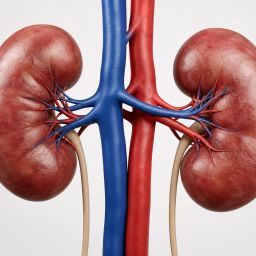
Your kidneys filter waste and extra fluid from your blood and help balance important minerals. When chronic kidney disease (CKD) develops, the kidneys can’t do this job as well, and what you eat starts to play a bigger role in protecting your health.
The National Institute of Diabetes and Digestive and Kidney Diseases (NIDDK) explains that eating the right foods and limiting certain nutrients can help slow kidney damage and prevent problems from building up in the blood. Here are the key nutrients to understand.
Important: Kidney diets are highly individual. What you need depends on your stage of CKD, your lab results, whether you’re on dialysis and any other conditions like diabetes. Work with your doctor and a registered dietitian who specializes in kidney disease.
Sodium
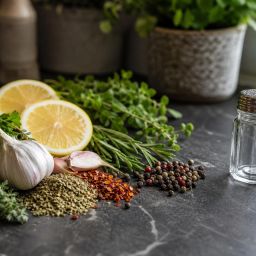
Too much sodium can raise blood pressure and cause the body to hold on to fluid, both of which strain the kidneys. Most people with CKD are advised to limit sodium. Since most sodium comes from processed and restaurant foods, cooking at home with fresh ingredients and seasoning with herbs, spices and lemon is one of the best strategies.
Be careful with salt substitutes. Many are made with potassium chloride, which can be dangerous if your kidneys can’t remove extra potassium.
Potassium
Potassium helps your nerves and muscles, including your heart, work properly. Healthy kidneys keep potassium at the right level, but damaged kidneys may allow it to build up, which can cause dangerous heart rhythms. Not everyone with CKD needs to limit potassium, so follow your lab results and your care team’s advice.
If you do need to limit it, foods that are typically higher in potassium include bananas, oranges, potatoes, tomatoes, avocados, dried fruit and beans. Foods that are typically lower include apples, berries, grapes, cauliflower, cabbage, green beans, onions and bell peppers.
Phosphorus
Damaged kidneys can also have trouble removing phosphorus. High phosphorus levels can pull calcium from your bones, weakening them, and can lead to calcium deposits in blood vessels. Phosphorus is found naturally in dairy, meat, beans, nuts and whole grains.
Phosphorus additives in processed foods are absorbed especially easily. Look for ingredients that contain “phos” on food labels, such as in many processed meats, colas, packaged baked goods and frozen meals.
Protein
Protein is essential, but eating more than you need can make the kidneys work harder. Some people with CKD who are not on dialysis may be advised to eat smaller portions of protein. People on dialysis often need more protein, because dialysis removes some of it. This is a key reason to get personalized advice.
Fluids
In later stages of CKD or on dialysis, you may need to limit how much you drink to prevent swelling and fluid buildup. Your care team will let you know if this applies to you.
A kidney-friendly recipe to try
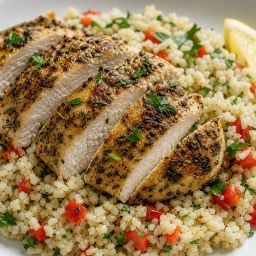
- Kidney-Friendly Herb Chicken with Cauliflower Rice: no added salt, lower-potassium vegetables and no processed ingredients. Check the portion size with your dietitian.
What this means for you
- Ask your doctor for a referral to a renal dietitian. Medicare and many insurance plans cover medical nutrition therapy for kidney disease.
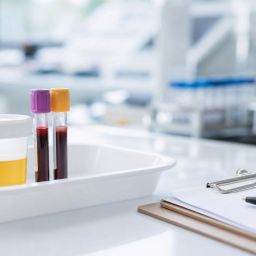
- Know your lab numbers for potassium, phosphorus and kidney function, and ask what they mean for your diet.
- Read food labels for sodium and phosphorus additives.
- Manage blood pressure and blood sugar, the two leading causes of kidney disease.
- Don’t take new supplements or over-the-counter pain relievers without checking with your doctor.
The bottom line
A kidney-friendly diet often means limiting sodium and, depending on your lab results, potassium, phosphorus, protein and fluids. Because needs vary so much, the best plan is one you build with your doctor and a renal dietitian.
This article is for general information and isn’t medical advice. Talk with your healthcare provider or a registered dietitian about your individual needs, especially if you have a health condition or food allergies.








[…] If you have chronic kidney disease, diabetes or liver disease, ask your doctor which pain relievers are safest. Learn more about protecting your kidneys in our kidney-friendly diet guide. […]