Most Americans eat far more sodium than they need. According to the FDA, adults in the U.S. eat an average of about 3,400 milligrams of sodium a day, well above the recommended limit of less than 2,300 milligrams. Too much sodium can raise blood pressure, a major risk factor for heart disease and stroke.
Cutting back doesn’t mean giving up flavor. With a few smart swaps, your taste buds adjust within a few weeks, and many people find they start to prefer less salty food.
Where sodium hides
The salt shaker isn’t the main culprit. The FDA notes that more than 70% of the sodium we eat comes from packaged, processed and restaurant foods. Common sources include:
- Breads and rolls
- Pizza, sandwiches and burgers
- Deli meats, bacon, sausage and hot dogs
- Canned soups and broths
- Frozen meals and boxed mixes
- Sauces, dressings and condiments like soy sauce and ketchup
- Salty snacks like chips, crackers and pretzels
How to read labels
Check the sodium amount and the % Daily Value (%DV) on the Nutrition Facts label. As a general guide, 5% DV or less per serving is low in sodium, and 20% DV or more is high. Pay attention to the serving size, too. Many packages contain more than one serving.
Look for terms like “no salt added,” “low sodium” and “reduced sodium,” and compare brands. Sodium in the same type of food can vary widely.
Flavor swaps that work
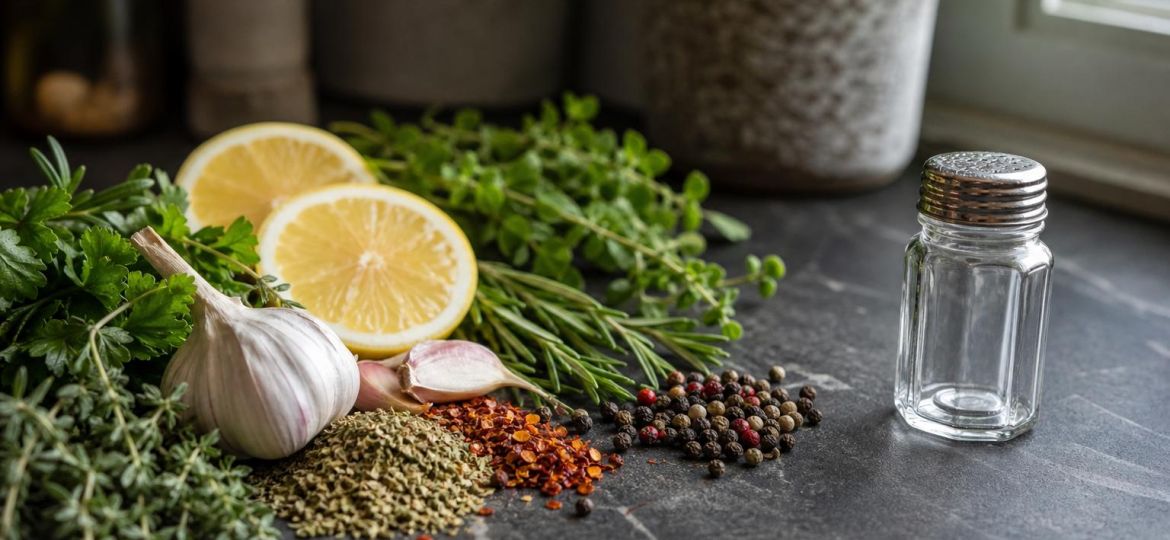
- Citrus: lemon or lime juice and zest brighten almost any dish.
- Garlic and onion: fresh, roasted or powdered (not garlic salt).
- Herbs: basil, cilantro, parsley, rosemary, thyme and dill.
- Spices: cumin, smoked paprika, chili powder, black pepper and ginger.
- Vinegar: balsamic, red wine or rice vinegar add tang.
- Umami: mushrooms, tomatoes and a small amount of Parmesan add savory depth.
Everyday tips
- Cook at home more often so you control the salt.
- Rinse canned beans and vegetables to remove some sodium.
- Taste before salting, and add salt at the end of cooking, when a little goes further.
- At restaurants, ask for sauces and dressings on the side.
- Choose fresh or frozen vegetables without sauces.
- Cut back gradually. Your taste buds adapt over a few weeks.
Low-sodium recipes to try
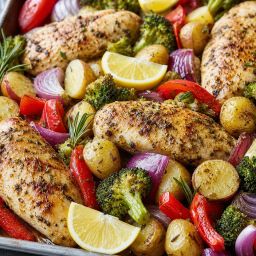
- Low-Sodium Lemon Herb Chicken with Roasted Vegetables: flavor from lemon, garlic and herbs.
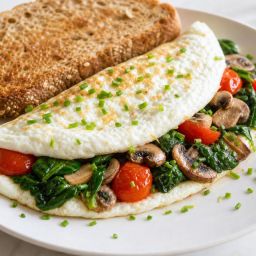
- Spinach and Mushroom Egg-White Omelet (DASH-Style): a savory breakfast with very little salt.
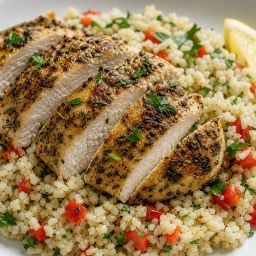
- Kidney-Friendly Herb Chicken with Cauliflower Rice: no added salt at all.
What this means for you
If you have high blood pressure, heart failure or kidney disease, your doctor may recommend a lower sodium target, such as 1,500 milligrams a day. Avoid salt substitutes made with potassium chloride if you have kidney disease or take certain blood pressure medicines, unless your doctor approves.
The bottom line
Most sodium comes from processed and restaurant foods, not the salt shaker. Reading labels, cooking at home and seasoning with herbs, spices, citrus and garlic can help you cut back without sacrificing flavor.
Common questions
Is sea salt healthier than table salt?
Not really. Sea salt and table salt contain about the same amount of sodium by weight. Using less salt of any kind is what matters.
How long does it take to get used to less salt?
Many people find their taste buds adjust within a few weeks. Foods that once seemed bland start to taste more flavorful, and very salty foods may start to taste too salty.
Does everyone need to cut sodium?
Most people eat more sodium than recommended, so cutting back benefits most adults. It’s especially important for people with high blood pressure, heart disease or kidney disease.
This article is for general information and isn’t medical advice. Talk with your healthcare provider or a registered dietitian about your individual needs, especially if you have a health condition or food allergies.