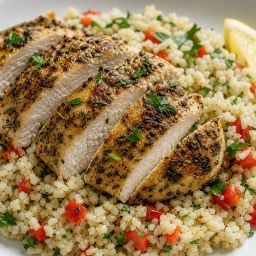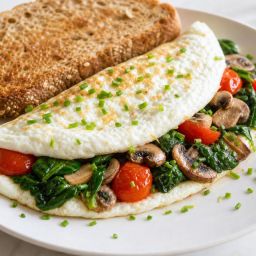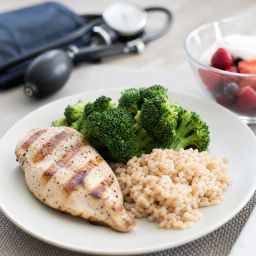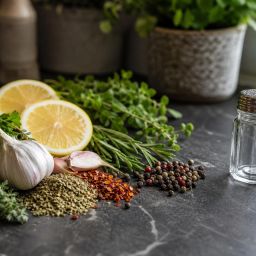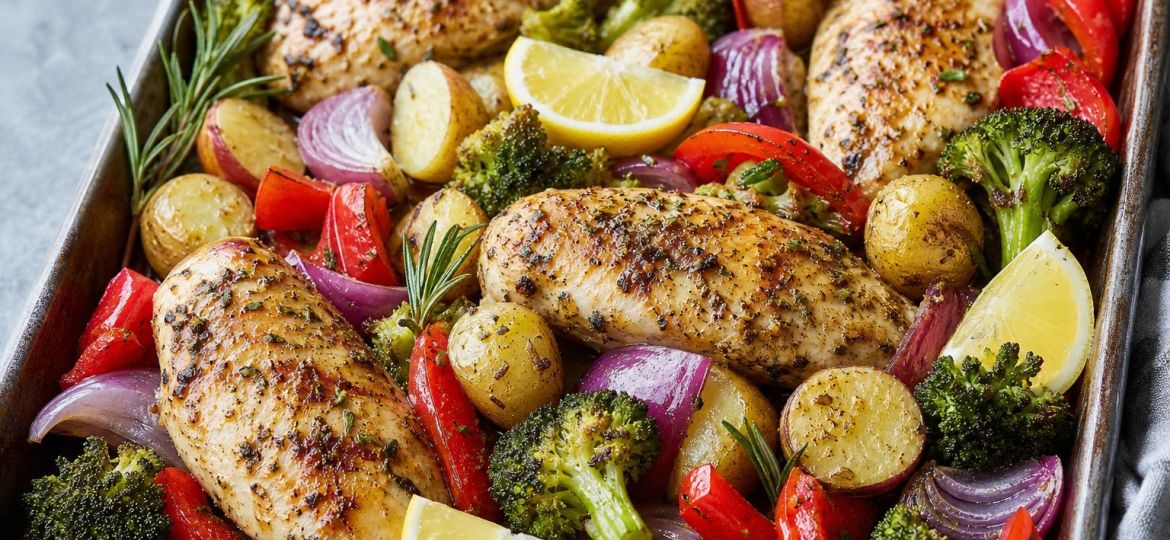
Cutting back on salt doesn’t mean settling for bland food. This lemon herb chicken gets its flavor from garlic, fresh lemon, rosemary, thyme and a little Dijon mustard, so you won’t miss the extra salt.
It’s a good fit for anyone following the DASH eating plan, which the National Heart, Lung, and Blood Institute developed to help lower blood pressure. DASH emphasizes vegetables, lean proteins and whole grains while limiting sodium, and this one-pan dinner checks all of those boxes.
Low-Sodium Lemon Herb Chicken with Roasted Vegetables: Recipe at a Glance
Ingredients
- 4 boneless, skinless chicken breasts or thighs (about 1 1/2 pounds total)
- 1 pound baby potatoes, halved
- 2 cups broccoli florets
- 1 red bell pepper, cut into strips
- 1 medium red onion, cut into wedges
- 3 tablespoons olive oil, divided
- Zest and juice of 1 lemon
- 4 garlic cloves, minced
- 1 tablespoon Dijon mustard
- 1 teaspoon dried thyme (or 1 tablespoon fresh)
- 1 teaspoon chopped fresh rosemary (or 1/2 teaspoon dried)
- 1 teaspoon garlic powder
- 1/2 teaspoon black pepper
- 1/8 teaspoon salt (optional)
- Fresh parsley and lemon wedges for serving
Instructions
- Heat the oven to 425°F (220°C). Line a large rimmed baking sheet with parchment.
- Toss the potatoes with 1 tablespoon of olive oil and spread them on the pan. Roast for 10 minutes while you prepare the chicken.
- In a bowl, whisk the remaining 2 tablespoons of olive oil with the lemon zest, lemon juice, garlic, Dijon mustard, thyme, rosemary, garlic powder, pepper and salt (if using).
- Add the chicken to the bowl and turn to coat. If you have time, let it sit for 15 minutes, or marinate in the refrigerator for up to 4 hours.
- Take the pan out of the oven. Add the broccoli, bell pepper and onion around the potatoes. Place the chicken in the center and spoon any leftover marinade over the vegetables.
- Roast for 18 to 22 minutes, until the chicken reaches an internal temperature of 165°F (74°C) and the vegetables are tender and lightly browned.
- Let the chicken rest for 5 minutes before slicing. Sprinkle with parsley and serve with lemon wedges.
Why This Recipe Is Good for You
Most of the sodium Americans eat comes from processed and restaurant foods, not the salt shaker. Cooking at home with fresh ingredients is one of the easiest ways to cut back. This recipe uses at most a pinch of salt for the whole pan and relies on citrus, garlic and herbs for flavor.
The vegetables provide potassium and fiber, two nutrients the DASH plan emphasizes for healthy blood pressure. Skinless chicken is a lean protein that keeps saturated fat low, which is also good news for your heart.
Tips, Swaps and Variations
- Check the mustard: Dijon contains some sodium. Look for a lower-sodium brand, or use 1 teaspoon instead of a tablespoon.
- Skip seasoning blends with salt: Many store-bought blends list salt first. Choose salt-free versions.
- Swap the starch: Use sweet potatoes, or skip the potatoes and serve with brown rice or quinoa.
- Thighs vs. breasts: Thighs stay juicier and are more forgiving; breasts are leaner.
- Add a crunch: Finish with a sprinkle of toasted unsalted almonds.
Storage and Leftovers
Refrigerate leftovers for up to 3 days. Sliced chicken and vegetables make an easy lunch over salad greens or in a whole-wheat pita. Reheat in the oven or microwave until hot all the way through.
This article is for general information and isn’t medical advice. Talk with your healthcare provider or a registered dietitian about your individual needs, especially if you have a health condition or food allergies.