HDL cholesterol has long been called the “good” cholesterol, and for good reason. It helps remove cholesterol from your bloodstream. For years, the advice was simple: the higher your HDL, the better. But newer research has revealed a more complicated picture.
What HDL does
HDL stands for high-density lipoprotein. HDL particles act like a cleanup crew, picking up excess cholesterol from the blood and artery walls and carrying it back to the liver, which removes it from the body. That’s why higher HDL levels have traditionally been linked to a lower risk of heart disease.
What’s a healthy HDL level?
Commonly used ranges (in mg/dL) are:
- Low: less than 40 for men, less than 50 for women. Low HDL is linked to a higher risk of heart disease.
- Healthy: 40 or higher for men, 50 or higher for women.
- Considered protective: 60 or higher.
The American Heart Association notes that cholesterol numbers should be considered alongside other risk factors, rather than on their own.
Is higher always better?
Not necessarily. Several research findings have challenged the idea that raising HDL always protects the heart:
- Medicines that raise HDL didn’t help. Clinical trials of drugs designed to raise HDL levels did not reduce heart attacks or strokes.
- Very high HDL isn’t clearly protective. Some studies have found that extremely high HDL levels are not linked to extra benefit, and may be associated with higher risk in certain people.
- Function may matter more than amount. Researchers believe how well HDL particles work may be more important than how many there are.
For these reasons, doctors focus mainly on lowering LDL cholesterol and on overall heart risk, rather than on raising HDL with medicine.
Natural ways to support healthy HDL
The same healthy habits that protect your heart also tend to improve HDL:
- Exercise regularly. Aerobic activity is one of the best ways to raise HDL. See our guide to how much exercise you need.
- Quit smoking. Smoking lowers HDL, and quitting can raise it.
- Lose extra weight, especially around the waist.
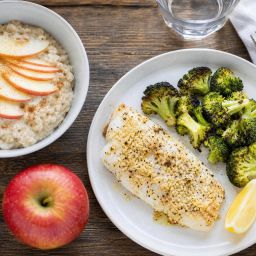
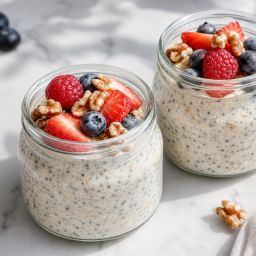
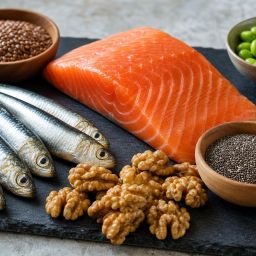
- Choose healthy fats like olive oil, nuts, avocados and fish, and avoid trans fats.
- Limit refined carbohydrates and sugar, which can lower HDL and raise triglycerides.
Start moving with our brisk walking interval plan.
What this means for you
If your HDL is low, focus on lifestyle changes like exercise, quitting smoking and weight management, which benefit your heart in many ways beyond HDL. If your HDL is high, that’s generally a good sign, but it doesn’t cancel out other risk factors like high LDL, high blood pressure or smoking. Talk with your doctor about your overall heart risk.
The bottom line
HDL helps clear cholesterol from your blood, and low levels are linked to higher heart risk. But higher isn’t always better, and raising HDL with medicine hasn’t been shown to prevent heart disease. Healthy habits remain the best way to support your HDL and your heart.
Common questions
Does alcohol raise HDL?
Alcohol can raise HDL slightly, but it also raises the risk of other health problems. Experts don’t recommend drinking to improve cholesterol. If you don’t drink, don’t start.
Should I take a supplement to raise HDL?
No supplement has been shown to raise HDL in a way that prevents heart disease. Focus on exercise, healthy fats and not smoking, and talk with your doctor before taking supplements.
Can HDL be too low even if LDL is normal?
Yes. Low HDL can still be a sign of higher heart risk, especially along with high triglycerides, excess weight or smoking. Your doctor will look at the full picture.
This article is for general information and isn’t medical advice. Talk with your healthcare provider about your individual needs.