Why do some people crave sweets while others reach for spicy food or bitter coffee? A large study from the University of Edinburgh suggests that our food preferences are shaped by our genes about as much as by our upbringing, environment and habits.
How the study worked
Researchers partnered with the UK Biobank, a large research database of about 500,000 volunteers. Participants were asked to rate how much they liked 139 different foods and drinks on a scale of one to nine. More than 150,000 people responded. The researchers then compared these food ratings with participants’ genetic data. The findings were published in Nature Communications.
Three groups of foods
When the researchers mapped which foods people tended to like together, the foods didn’t group by flavor, such as sweet or savory. Instead, they fell into three broad categories based on how much people enjoyed them:
- Highly palatable foods: foods many people find very rewarding, such as meat, desserts and fried foods.
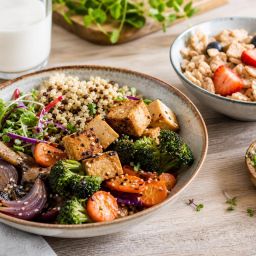
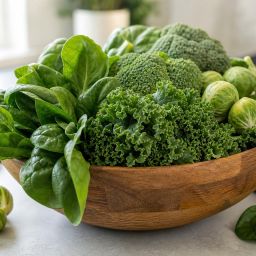
- Low-calorie foods: mostly fruit and milder vegetables used in salads.
- Acquired tastes: foods many people learn to like over time, such as coffee, alcohol, spicy food and strong-tasting vegetables.
Some results were surprising. A liking for fruit juice was more closely linked to liking desserts than to liking fruit, and sugary sodas grouped closer to meat and fried foods than to other sweet things. Mild vegetables such as tomatoes and zucchini fell into the low-calorie group, while stronger ones like onions and bell peppers fell into the acquired-taste group.
What the genes revealed
- Hundreds of genetic regions were involved. The researchers identified more than 300 genetic regions linked to food liking, many involving the brain rather than the tongue.
- Two separate systems. Genetically, the liking for highly palatable foods appeared to be separate from the liking for the other two groups, suggesting one biological process drives our pull toward highly rewarding foods and another shapes the rest.
- Roughly half genetic. The researchers estimated that genes and environment contribute about equally to our food preferences.
What this means for healthy eating
If you find it hard to resist sweets or fried foods, part of that pull may be built in. But genes are only half the story, and tastes can change. Many foods once disliked become favorites with repeated exposure and good preparation.
The researchers gave a familiar example: some people find that cilantro (coriander) tastes like soap, which is linked to a genetic sensitivity. Cooking cilantro rather than eating it raw can soften that flavor.
Practical ways to work with your tastes
- Keep trying. It can take many tastes before a new food feels familiar. Offer and try small amounts often.
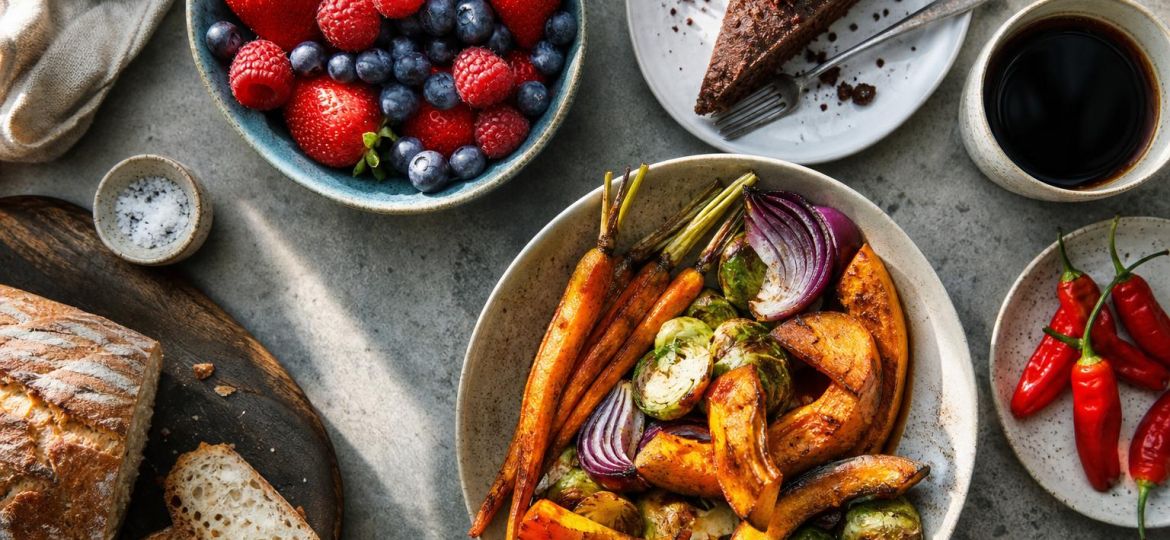
- Change the preparation. Roasting vegetables brings out sweetness, and herbs, spices, citrus and a little olive oil can make healthy foods more appealing.
- Pair new foods with favorites. Adding vegetables to dishes you already enjoy is an easy start.
- Plan for cravings. If you know you’re drawn to highly rewarding foods, keep healthier satisfying options on hand and limit the most tempting foods at home.
- Don’t blame yourself. Recognizing that preferences are partly genetic can make it easier to build habits that work with your tastes rather than against them.
The bottom line
A study of more than 150,000 people found that genes account for roughly half of our food preferences, with separate systems driving our pull toward highly rewarding foods. Understanding this can help you find healthier foods you genuinely enjoy.
This article is for general information and isn’t medical advice. Talk with your healthcare provider about your individual needs.