The Mediterranean diet is often ranked among the healthiest ways to eat. A large U.S. study suggests it may also benefit expectant mothers, with women who followed it around the start of pregnancy having a lower risk of several serious complications.
What is the Mediterranean diet?
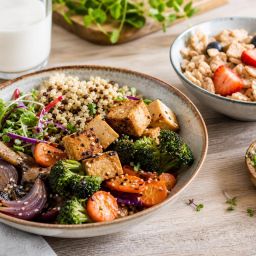
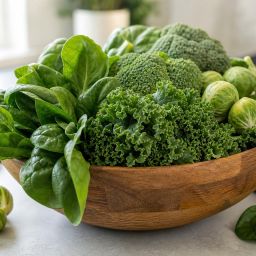
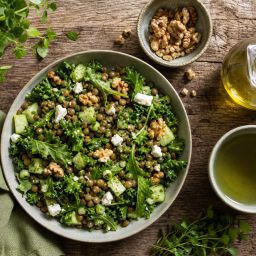
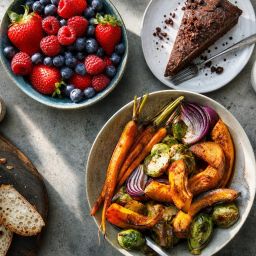
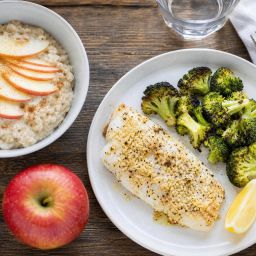
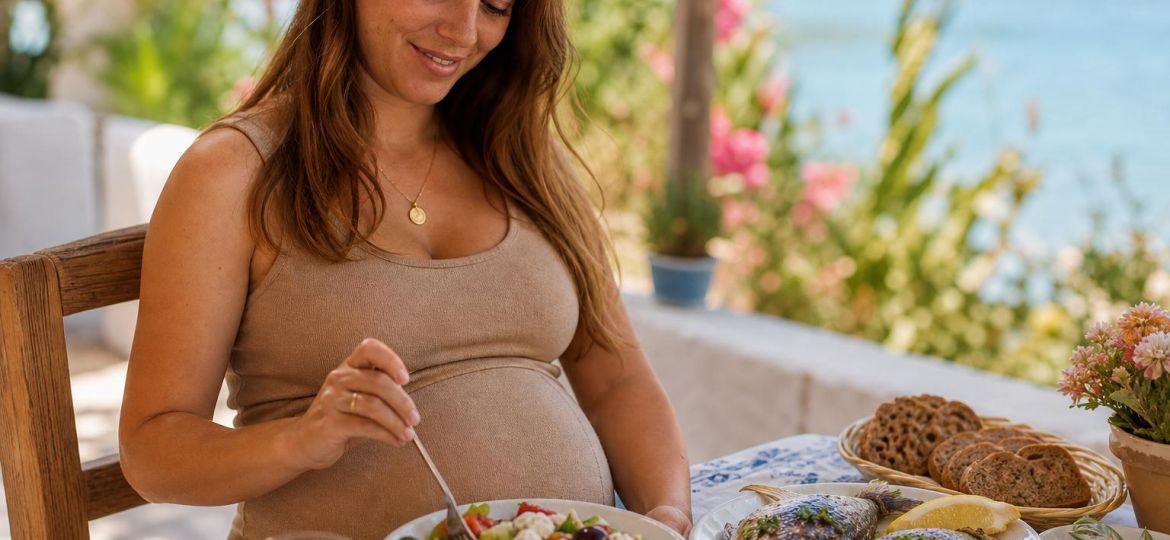
The Mediterranean diet is built around plant foods and healthy fats. It emphasizes vegetables, fruits, whole grains, beans, nuts and seeds, with extra virgin olive oil as the main fat. It includes moderate amounts of fish, poultry, cheese and yogurt, and limits red and processed meats and sweets.
How the study worked
Researchers analyzed data from about 7,800 women in the U.S. who were pregnant with their first baby. The group was racially, ethnically and geographically diverse. Participants completed a questionnaire about their diet around the time of conception and in early pregnancy. The researchers then tracked whether they developed adverse pregnancy outcomes, including:
- Preeclampsia or eclampsia (dangerously high blood pressure in pregnancy)
- Gestational high blood pressure
- Gestational diabetes
- Preterm birth
- Stillbirth
- A baby who is small for their gestational age
The findings were published in JAMA Network Open.
What the researchers found
- Lower risk overall. Women who followed a Mediterranean diet most closely had about a 21% lower risk of any adverse pregnancy outcome.
- Fewer cases of preeclampsia. Their odds of preeclampsia or eclampsia were about 28% lower.
- Less gestational diabetes. Their odds of gestational diabetes were about 37% lower.
- Stronger benefits after 35. The protective link was stronger among women aged 35 and older, who face a higher risk of complications such as preeclampsia.
Study author Dr. Natalie Bello of Cedars-Sinai noted that the study shows an association, not proof that the diet caused the lower risk. Still, the results add to a large body of evidence about the benefits of this way of eating.
Why this matters
Complications like preeclampsia and gestational diabetes can affect both mother and baby, and they’re linked to a higher risk of heart disease and diabetes for the mother later in life. Diet is one of the factors women can influence before and during pregnancy.
The Mediterranean diet may help through several routes. It’s rich in fiber, which supports steady blood sugar, and in healthy fats and antioxidants, which may help blood vessels work well and reduce inflammation. These effects could explain why the strongest links were with preeclampsia and gestational diabetes.
Eating Mediterranean-style during pregnancy
- Build meals around plants. Fill half your plate with vegetables and fruit, and include whole grains and beans.
- Use olive oil as your main cooking and dressing fat.
- Choose pregnancy-safe fish. Low-mercury options such as salmon, sardines, trout and shrimp are good choices. Avoid high-mercury fish like shark, swordfish and king mackerel.
- Snack on nuts and yogurt, choosing pasteurized dairy products.
- Limit processed foods and sugary drinks.
- Keep taking prenatal vitamins, including folic acid, as advised.
- Follow food safety rules, such as avoiding unpasteurized cheeses and undercooked meat or fish.
Talk with your obstetric provider or a dietitian before making major changes, especially if you have diabetes, food allergies or other conditions.
The bottom line
Women who followed a Mediterranean diet around the start of pregnancy had a lower risk of complications, including preeclampsia and gestational diabetes. It’s a healthy, flexible way of eating that can support both mother and baby.
This article is for general information and isn’t medical advice. Talk with your healthcare provider about your individual needs.