When it comes to strong bones, most people think of calcium and vitamin D. A long-term study from Edith Cowan University in Australia points to another nutrient that may matter: vitamin K1, found mainly in green leafy vegetables.
What is vitamin K1?
Vitamin K comes in two main forms. Vitamin K1 (phylloquinone) is found mostly in plant foods, especially leafy greens. Vitamin K2 is found in some fermented foods and animal products. Vitamin K is best known for its role in blood clotting, but it also helps activate proteins involved in bone health, such as osteocalcin, which is thought to help make bones tougher. Vitamin K1 may also help limit the processes that break down bone.
How the study worked
Researchers analyzed data from nearly 1,400 older women in the Perth Longitudinal Study of Ageing Women, who were followed for about 14.5 years. They compared the women’s vitamin K1 intake from food with their risk of being hospitalized for a fracture. The study was published in the journal Food & Function.
What the researchers found
- Fewer fractures overall. Women who consumed more than 100 micrograms of vitamin K1 a day had about 31% lower risk of fracture-related hospitalization than those who consumed less than 60 micrograms.
- Fewer hip fractures. For hip fractures, which are among the most serious, the risk of hospitalization was about 49% lower in the highest-intake group.
- The link held after accounting for other factors, including body weight, calcium intake, vitamin D levels and existing health conditions.
Because this was an observational study, it shows an association rather than proof that vitamin K1 prevents fractures. People who eat more vegetables may also have other healthy habits.
Why hip fractures matter
Hip fractures in older adults can lead to a long recovery, loss of independence and a higher risk of death in the following year. Preventing fractures is one of the most important goals of healthy aging, especially for women after menopause, when bone loss speeds up.
How to get more vitamin K1
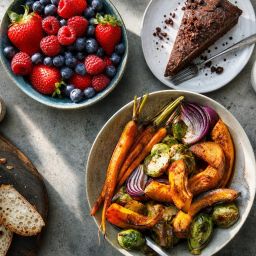
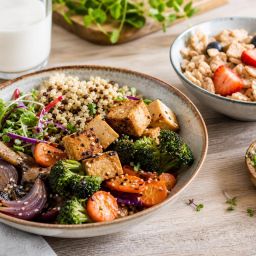
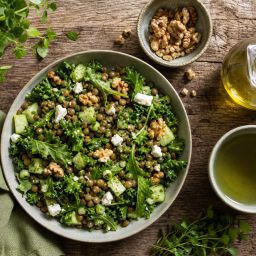
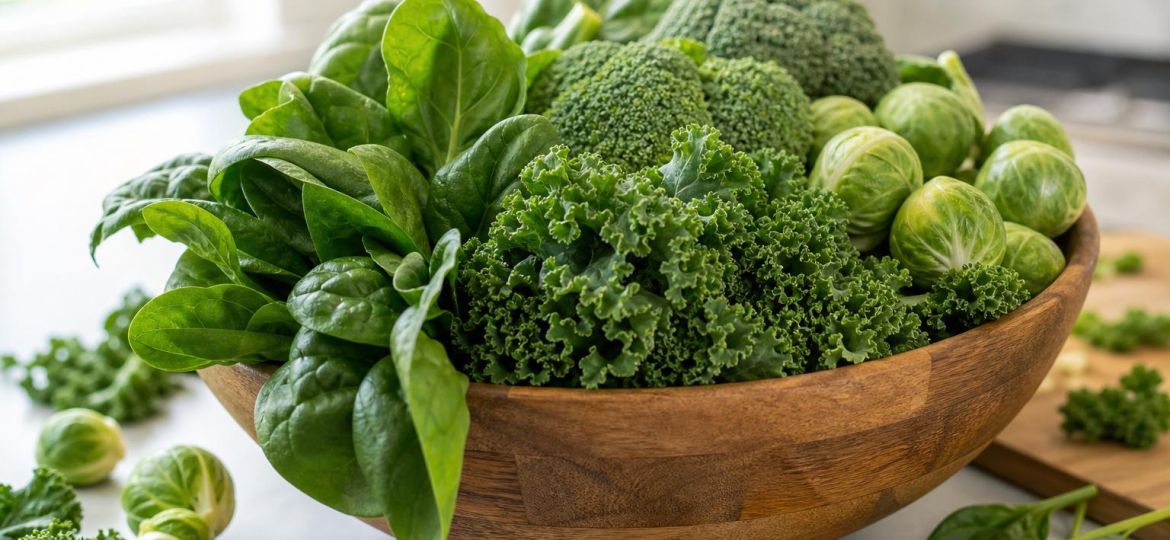
The good news is that reaching 100 micrograms a day is easy. The researchers noted that one to two servings of leafy or green vegetables, roughly 75 to 150 grams, can provide it. Good sources include:
- Kale, spinach and collard greens
- Broccoli and Brussels sprouts
- Cabbage and lettuce, especially darker varieties
- Swiss chard and turnip greens
Eating these with a little healthy fat, like olive oil, helps your body absorb vitamin K.
Important note on blood thinners
If you take warfarin, a blood-thinning medicine, vitamin K affects how it works. You don’t have to avoid greens, but it’s important to keep your intake consistent from day to day and talk to your doctor before making big changes to your diet. Newer blood thinners are generally not affected this way.
Other ways to protect your bones
- Get enough calcium and vitamin D from foods, sunlight and supplements if your doctor recommends them.
- Stay active with weight-bearing exercise, like walking, and strength training.
- Work on balance with activities such as tai chi to lower your risk of falls.
- Don’t smoke, and limit alcohol.
- Ask about a bone density test, generally recommended for women 65 and older, or earlier if you have risk factors.
The bottom line
Older women who ate more vitamin K1, found in leafy greens, had fewer fracture-related hospitalizations, including about half as many hip fractures. One or two servings of green vegetables a day is a simple, tasty way to support your bones.
This article is for general information and isn’t medical advice. Talk with your healthcare provider about your individual needs.