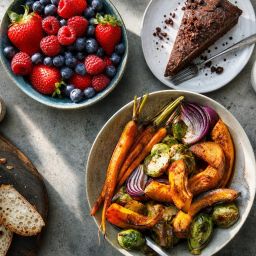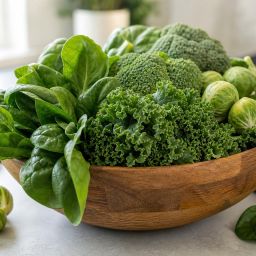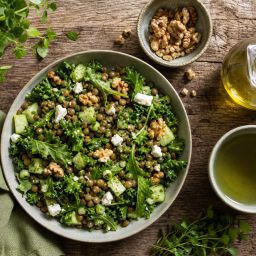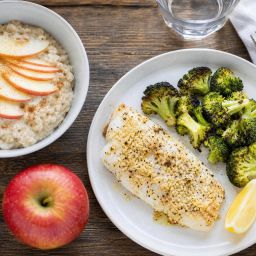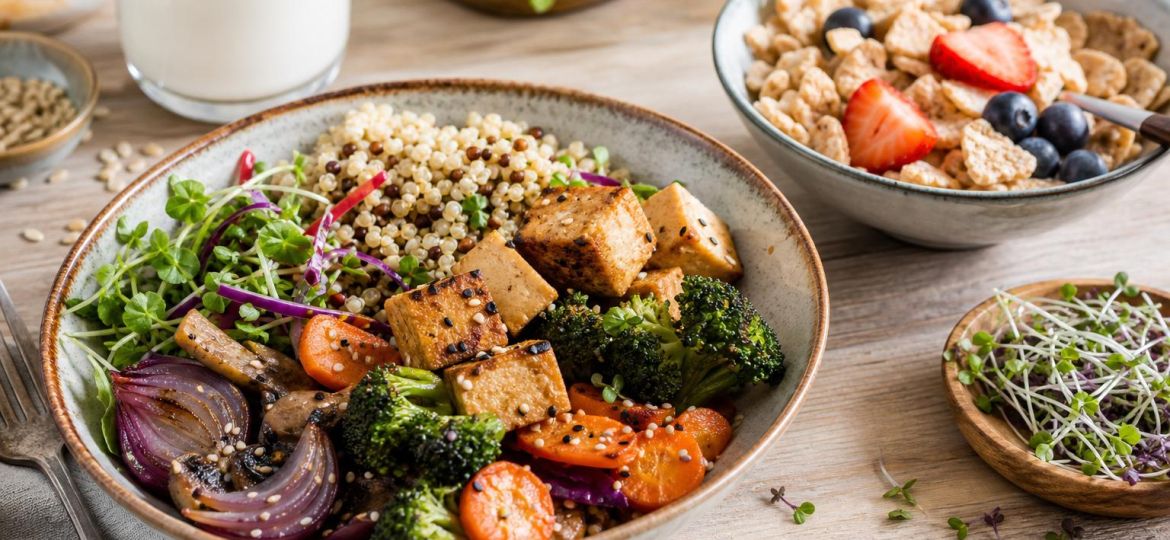
Plant-based diets can be very healthy, and research links them to lower risks of heart disease, type 2 diabetes and some cancers. But they require some planning, especially when it comes to vitamin B12. A case report published in the medical journal Cureus shows how serious a long-term deficiency can become.
What happened
A 39-year-old man who had followed a strict vegan diet for about 20 years went to the hospital after four days of numbness and “pins and needles” in his arms. He also had trouble finding words, shortness of breath, intermittently blurry vision, lightheadedness and extreme tiredness.
Tests showed his vitamin B12 level was almost undetectable. His counts of red blood cells, white blood cells and platelets were all very low. Doctors treated him with blood transfusions and a series of vitamin B12 injections. His speech improved within a day, and his coordination, energy and breathing improved within days. After a month, his confusion had resolved, though some numbness in one hand remained.
The doctors noted that although severe B12 deficiency is rare in the U.S., rising numbers of people following vegan diets have been linked to more cases.
Why vitamin B12 matters
Vitamin B12 is essential for healthy nerves, for making red blood cells and for producing DNA. Without enough B12, people can develop:
- Anemia, causing tiredness, weakness and shortness of breath
- Numbness, tingling or “pins and needles” in the hands and feet
- Balance and coordination problems
- Memory problems, confusion or mood changes
- A sore, red tongue or mouth ulcers
Nerve damage from prolonged deficiency can become permanent if it isn’t treated in time, which is why early detection matters.
Why vegans are at risk
Vitamin B12 is found naturally almost only in animal foods such as meat, fish, eggs and dairy. Plants don’t reliably provide it. Because the body stores B12, symptoms can take years to appear after someone stops eating animal products. The British Dietetic Association advises that people who have avoided animal foods for several years should have a reliable source of B12.
Others at risk
B12 deficiency isn’t only a vegan issue. People at higher risk include:
- Older adults, who absorb B12 less efficiently
- People with conditions affecting the stomach or gut, such as pernicious anemia, celiac disease or Crohn’s disease
- People who have had weight-loss surgery
- People taking certain long-term medicines, such as metformin or acid-reducing drugs
How to get enough B12 on a plant-based diet
- Eat fortified foods. Many plant milks, breakfast cereals and nutritional yeast products are fortified with B12. Check labels.
- Take a supplement. The British Dietetic Association suggests about 10 micrograms a day, or a larger weekly dose. Your doctor or dietitian can advise on the right amount for you.
- Don’t rely on “natural” plant sources like seaweed or mushrooms, which don’t provide reliable, usable B12.
- Get checked. If you’ve followed a vegan or vegetarian diet for a long time, ask your doctor about a blood test.
- Plan other nutrients too. Iron, iodine, vitamin D, calcium and omega-3 fats also deserve attention on a vegan diet. A registered dietitian can help.
When to see a doctor
Seek medical advice for ongoing tiredness, numbness or tingling, balance problems or memory changes, especially if you follow a plant-based diet or have other risk factors. Sudden weakness, trouble speaking or vision changes need emergency care, since they can also be signs of a stroke.
The bottom line
A vegan diet can be healthy, but it needs a reliable source of vitamin B12. Fortified foods or a supplement, along with regular checks, can prevent a deficiency that can otherwise cause serious nerve and blood problems.
This article is for general information and isn’t medical advice. Talk with your healthcare provider about your individual needs.