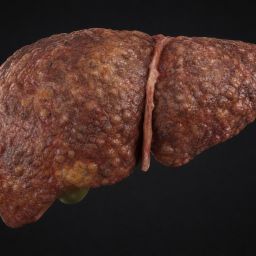
Many people know heavy drinking harms the liver. Fewer know that alcohol is a cause of cancer. In January 2025, the U.S. Surgeon General issued an advisory calling alcohol the third leading preventable cause of cancer in the U.S., after tobacco and excess weight. It’s linked to about 100,000 cancer cases and 20,000 cancer deaths each year.
Which cancers are linked to alcohol?
Alcohol raises the risk of at least seven types of cancer:
- Breast
- Colorectal
- Esophagus
- Liver
- Mouth
- Throat
- Voice box (larynx)
For breast cancer, risk starts to rise even at low levels of drinking. The type of drink doesn’t matter. Beer, wine and liquor all contain the same cancer-causing ingredient: ethanol.
How alcohol causes cancer
The body breaks alcohol down into acetaldehyde, a chemical that damages DNA. Alcohol also raises estrogen levels, creates harmful molecules that damage cells, and helps other carcinogens, like those in tobacco smoke, enter cells more easily. Drinking and smoking together raises the risk of mouth and throat cancers far more than either alone.
What the new Dietary Guidelines say
The 2025–2030 Dietary Guidelines for Americans, released in January 2026, dropped the long-standing numeric limits of up to one drink a day for women and two for men. Instead, they advise Americans to drink less, without setting a specific number. Some public health groups criticized the change for leaving out alcohol’s cancer risks. Others noted that research increasingly suggests no level of drinking is risk-free.
The research hasn’t changed: the less you drink, the lower your cancer risk.
Does a little alcohol help your heart?
Earlier studies suggested moderate drinking might protect the heart, but newer research suggests those benefits were overstated. Any possible benefit doesn’t outweigh the cancer risk. Alcohol also raises blood pressure and can damage your liver.
Tips to cut back
- Set drink-free days each week.
- Try alcohol-free beers, mocktails or sparkling water with fruit.
- Use smaller glasses and measure pours. A standard drink is 12 oz of beer, 5 oz of wine or 1.5 oz of liquor.
- Notice your triggers, such as stress or social settings, and plan alternatives.
- If cutting back is hard, talk with your doctor. Help is available.
What this means for you
- Any reduction in drinking lowers your cancer risk.
- If you don’t drink, there’s no health reason to start.
- Keep up with cancer screenings, especially breast and colorectal.
The bottom line
Alcohol is a known cause of cancer, and risk rises with every drink. Federal guidance now simply says to drink less. Whatever your current habits, cutting back is a meaningful step for your long-term health.
Common questions
Is red wine healthier than other drinks?
No. Red wine contains antioxidants, but its alcohol carries the same cancer risk as other drinks. You can get antioxidants from grapes, berries and vegetables instead.
Does the cancer risk go down if I stop drinking?
Yes, over time. Risk for some cancers declines after quitting, though it may take years to fall.
Will alcohol bottles get cancer warning labels?
The Surgeon General’s advisory called for adding cancer risk to alcohol warning labels, but that requires action by Congress.
How much does alcohol raise breast cancer risk?
Research suggests each daily drink raises breast cancer risk by roughly 7% to 10%. Risk is cumulative, so drinking less over time lowers it.
This article is for general information and isn’t medical advice. Talk with your healthcare provider about your individual needs.