Screening tests look for cancer before you have symptoms, when it’s usually easier to treat. Some tests, like colonoscopy and Pap or HPV tests, can even find changes before they turn into cancer. Knowing which tests fit your age and risk makes it easier to stay on track.
The guide below follows recommendations from the U.S. Preventive Services Task Force (USPSTF) and the American Cancer Society (ACS). These are for people at average risk. If you have a strong family history, a genetic mutation or other risk factors, your doctor may suggest starting earlier or testing more often.
In your 20s and 30s
- Cervical cancer: From age 21 to 29, a Pap test every 3 years. From 30, an HPV test every 5 years is preferred, with a Pap test every 3 years or co-testing every 5 years as other options. HPV tests using a sample you collect yourself are now an option in many clinics.
- Skin checks: There’s no routine screening test for most adults, but get to know your skin and have new or changing spots checked. See our guide to checking your moles.
In your 40s
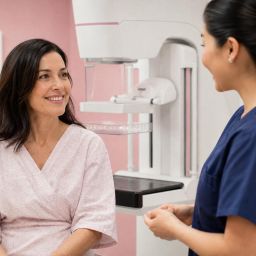
- Breast cancer: The USPSTF recommends a mammogram every 2 years starting at 40. Some groups advise yearly mammograms. Read more about breast cancer screening.
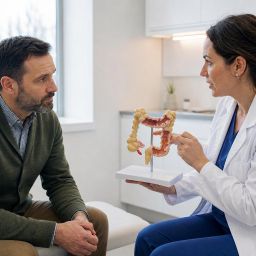
- Colorectal cancer: Start at 45. Options include a colonoscopy every 10 years or a stool test you do at home. Cases in younger adults are rising, so don’t delay.
- Prostate cancer: Black men and men with a father or brother diagnosed young may want to start talking about PSA testing at 40 to 45.
In your 50s and 60s
- Lung cancer: If you’re 50 to 80 and have a 20 pack-year smoking history, ask about a yearly low-dose CT scan. See who qualifies for lung cancer screening.
- Prostate cancer: For men 55 to 69, PSA testing is a personal decision. Learn how to weigh the PSA decision.
- Keep up with breast, cervical and colorectal screening.
After 65 and beyond
Many people can stop cervical screening after 65 if past results were normal. Breast screening is recommended through 74, and colorectal screening through 75. After that, the decision depends on your health, life expectancy and past results. Talk with your doctor.
Lowering your risk between tests
Screening finds cancer early, and lifestyle choices help prevent it. Not smoking, staying active, keeping a healthy weight, limiting alcohol and getting the HPV vaccine all lower your risk.
What this means for you
- Write down when you had each test and when the next one is due.
- Share your family history with your doctor. It can change when you start.
- Don’t wait for symptoms. Screening is for people who feel fine.
- Most screenings are covered by insurance with no out-of-pocket cost. Check with your plan.
The bottom line
A handful of tests at the right ages can catch the most common cancers early, or prevent them altogether. Ask your doctor which screenings you’re due for at your next visit.
Common questions
Do I need screening if I feel healthy?
Yes. Screening is designed for people without symptoms. Many cancers cause no symptoms in their early stages, when they’re easiest to treat.
What if I have a family history of cancer?
You may need to start earlier, test more often or use different tests. Genetic counseling may also help. Tell your doctor which relatives had cancer and at what age.
Can a blood test replace these screenings?
Not yet. Newer multi-cancer blood tests are being studied but are not a replacement for recommended screenings.
This article is for general information and isn’t medical advice. Talk with your healthcare provider about your individual needs.