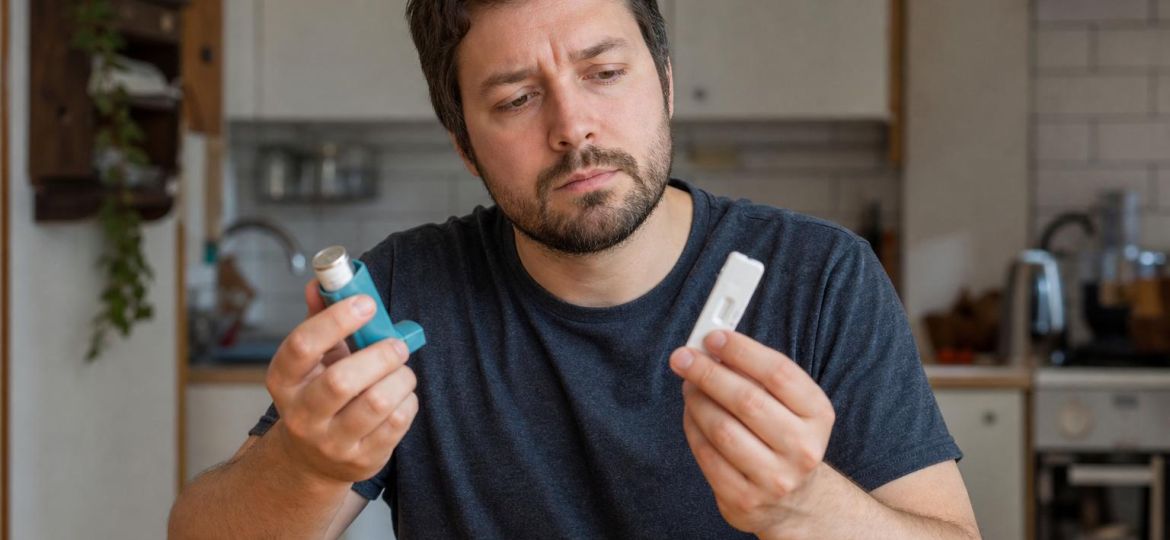
Early in the pandemic, many people with asthma worried they’d be at especially high risk from COVID-19. Research since then has offered a more nuanced picture. People whose asthma is well controlled don’t appear to have a much higher risk of severe COVID-19 than others. But people with moderate to severe or poorly controlled asthma are at increased risk, and any respiratory virus can trigger asthma flare-ups.
How COVID-19 can affect asthma
COVID-19 infects the respiratory tract and can cause inflammation in the airways. For people with asthma, this can lead to:
- Increased coughing and wheezing
- Chest tightness and shortness of breath
- Asthma attacks that need extra treatment
- Pneumonia in more severe cases
Who is at higher risk?
- People with moderate to severe asthma
- People whose asthma is poorly controlled or who’ve had recent flare-ups
- People who’ve needed oral steroids or hospital care for asthma
- Older adults and those with other conditions like obesity, heart disease or diabetes
Keep your asthma under control
Good asthma control is one of the best protections. That means:
- Taking controller medicines, including inhaled corticosteroids, every day as prescribed. These medicines are safe to continue and help reduce flare-ups.
- Always carrying your rescue inhaler.
- Following an up-to-date asthma action plan.
- Avoiding common asthma triggers such as smoke and allergens.
Prevention tips
- Ask your doctor or pharmacist about COVID-19 vaccination. People with moderate to severe asthma are considered higher risk.
- Get your annual flu vaccine and ask about RSV and pneumococcal vaccines.
- Wash your hands often and consider a mask in crowded indoor spaces during periods of high virus activity.
- Keep home tests on hand.
If you test positive
- Contact your doctor promptly. If you’re at higher risk, you may qualify for antiviral treatment, which works best when started within 5 days of symptoms.
- Follow your asthma action plan.
- Use an inhaler with a spacer rather than a nebulizer when possible, as nebulizers can spread virus particles into the air around others.
- Rest, stay hydrated and monitor your breathing.
When to seek emergency care
Get emergency help if your rescue inhaler isn’t working, you’re struggling to breathe or speak, your lips or face turn bluish, or you feel confused or very drowsy. See what to do during an asthma attack.
What this means for you
Work with your doctor to keep your asthma well controlled, especially before respiratory virus season. Good control lowers your risk not only from COVID-19, but from flu, RSV and other triggers.
The bottom line
Well-controlled asthma doesn’t appear to greatly raise COVID-19 risk, but moderate to severe or poorly controlled asthma does. Staying on your medicines, keeping up with vaccines and acting quickly if you get sick are the best protections.
Common questions
Do inhaled steroids weaken my immune response to COVID-19?
Inhaled corticosteroids are considered safe to continue and help prevent asthma flare-ups. Don’t stop them without talking to your doctor.
Can COVID-19 cause asthma?
Some people develop ongoing cough or breathing problems after COVID-19, and research is ongoing about whether it can trigger new asthma. See a doctor for lingering symptoms.
Should I use a nebulizer if I have COVID-19?
Inhalers with spacers are often preferred because nebulizers can spread virus particles into the air. If you need a nebulizer, use it in a separate, well-ventilated room.
This article is for general information and isn’t medical advice. Talk with your healthcare provider about your individual needs.