COVID-19 is now a familiar part of life, and for many healthy people it’s often a mild illness. But it remains a serious threat for older adults and people with certain health conditions, who make up most COVID-19 hospitalizations and deaths. If you’re in a higher-risk group, or care for someone who is, a few key steps can make a big difference.
Who is at highest risk?
- Older adults, especially those 65 and older, with risk rising sharply after 75
- People with weakened immune systems, such as those receiving cancer treatment, organ transplant recipients or people taking immune-suppressing medicines
- People with chronic conditions, including heart disease, chronic lung disease such as COPD and moderate to severe asthma, diabetes, chronic kidney disease, obesity, and certain neurologic conditions
- Residents of nursing homes and long-term care facilities
- Pregnant people
Step 1: Stay up to date on vaccines
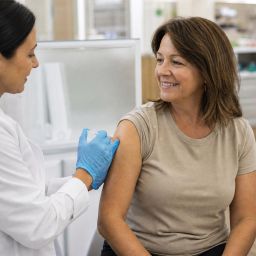
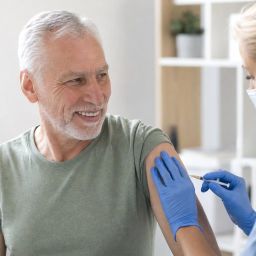
Vaccination lowers the risk of severe illness and hospitalization. Updated COVID-19 vaccines are FDA-approved for adults 65 and older and younger people with high-risk conditions. Some people with weakened immune systems may be eligible for additional doses. Also stay current on flu, RSV and pneumococcal vaccines if recommended for you.
A note on changing guidance: U.S. federal vaccine recommendations have changed several times since 2025, and some changes have been challenged in court. In 2026, a federal court order kept earlier recommendations in place while the case continues. Medical groups such as the American Academy of Pediatrics (AAP), the American College of Obstetricians and Gynecologists (ACOG) and the American Academy of Family Physicians (AAFP) also publish their own recommendations. Because guidance may change, check with your doctor or pharmacist about what’s recommended for you.
Step 2: Have a treatment plan ready
Antiviral medicines like Paxlovid greatly reduce the risk of severe illness in high-risk people, but they must be started within days of symptoms. Before you get sick:
- Keep home tests on hand and test at the first sign of symptoms.
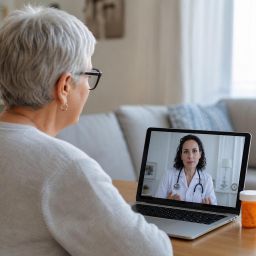
- Know how to reach your doctor, a telehealth service or a pharmacist quickly.
- Keep an updated list of your medicines, since some interact with COVID-19 treatments.
Learn more about COVID-19 treatment.
Step 3: Layer protections during surges
- Wear a high-quality, well-fitting mask in crowded indoor spaces.
- Choose outdoor or well-ventilated settings for gatherings.
- Ask visitors who feel sick to stay home or test first.
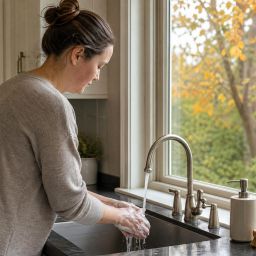
- Wash hands often.
Tips for caregivers and families
- Stay up to date on your own vaccines to reduce the chance of bringing COVID-19 home.
- Test before visiting an older or high-risk loved one if you have any symptoms or a recent exposure.
- Help your loved one keep a medication list and know who to call if they get sick.
- Watch for warning signs in older adults, who may have unusual symptoms such as confusion, falls or loss of appetite rather than fever.
When to seek emergency care
Call 911 for trouble breathing, persistent chest pain or pressure, new confusion, inability to wake or stay awake, or bluish lips or face.
What this means for you
Talk with your doctor about your personal risk and create a plan for vaccination, testing and treatment before respiratory virus season. Preparation helps you act quickly if you get sick.
The bottom line
Older adults and people with chronic or immune-weakening conditions face the highest risk from COVID-19. Vaccination, early testing and prompt antiviral treatment, along with extra precautions during surges, are the best protection.
Common questions
Should high-risk people still wear masks?
Masks are a useful extra layer in crowded indoor settings, especially when COVID-19 is spreading widely. It’s a personal decision based on your risk.
This article is for general information and isn’t medical advice. Talk with your healthcare provider about your individual needs.