At-home tests have made it easier than ever to find out whether your symptoms are caused by COVID-19, and now, with combination tests, the flu as well. Knowing which virus you have can help you get treatment quickly and avoid spreading it to others. But home tests work best when you use them correctly.
Types of home tests
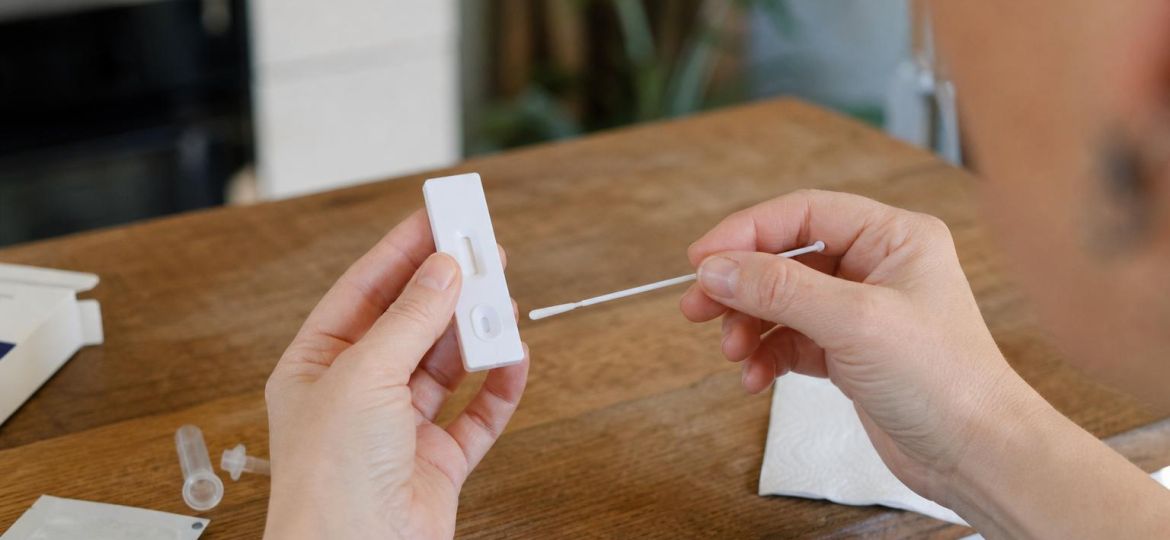
- Rapid antigen tests detect proteins from the virus. Results come in about 15 minutes. They’re most accurate when you have symptoms and a higher amount of virus.
- Combination COVID-19 and flu tests check for both viruses with a single nasal swab.
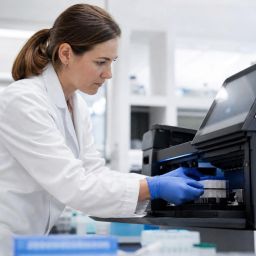
- At-home molecular tests detect the virus’s genetic material and are more sensitive, but they’re usually more expensive.
When to test
- As soon as symptoms start, especially if you’re at higher risk of severe illness and might benefit from treatment.
- After exposure to someone with COVID-19 or flu, wait about 5 days if you don’t have symptoms, then test.
- Before gathering with older adults or people with weakened immune systems.
Why one negative test may not be enough
Rapid antigen tests can miss early infections. The FDA recommends repeat testing to reduce the risk of a false negative:
- If you have symptoms and test negative, test again 48 hours later.
- If you don’t have symptoms but were exposed, test up to three times, 48 hours apart.
If you continue to test negative but still feel sick, you may have another virus, such as RSV or a cold, or you may need a lab test. Contact your healthcare provider if you’re at higher risk.
Tips for accurate results
- Check the expiration date. Some tests have extended dates listed on the FDA website.
- Store and use the test at room temperature.
- Read and follow the instructions exactly, including how long to swab each nostril.
- Set a timer and read the result at the time listed, not before or long after.
- Even a faint line usually counts as positive.
If you test positive
- Stay home and away from others until you’ve been fever-free for at least 24 hours without fever-reducing medicine and your symptoms are improving.
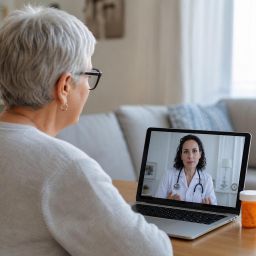
- Contact your provider right away if you’re at higher risk. Antivirals for flu and COVID-19 work best when started early.
- Take extra precautions for the next few days after returning to normal activities, like wearing a mask and washing your hands often.
What this means for you
Keep a few home tests on hand before cold and flu season, and check their expiration dates. Testing early helps you make good decisions about treatment and protecting others. Learn how to tell the difference between flu, COVID-19 and a cold.
The bottom line
At-home tests are a quick, convenient way to check for COVID-19 and flu. Test when symptoms start, repeat if negative and contact your provider early if you’re at higher risk.
Common questions
Can home tests detect new variants?
Most authorized tests continue to detect current variants. The FDA monitors test performance as the virus changes.
Should I report my home test result?
Reporting requirements vary by state. Telling your healthcare provider is most important, especially if you may need treatment.
What if I test positive for both?
Contact your healthcare provider, especially if you’re at higher risk. Being infected with both can cause more severe illness, and treatment may be recommended.
Do home tests detect RSV?
Most home tests check only for COVID-19, flu or both. Some newer tests include RSV. Check the package to see which viruses a test detects.
This article is for general information and isn’t medical advice. Talk with your healthcare provider about your individual needs.