Every fall and winter, respiratory viruses like flu, COVID-19 and RSV spread more easily as people gather indoors. Most infections are mild, but these viruses can cause serious illness, especially for older adults, young children, pregnant people and people with chronic conditions such as asthma, heart disease or diabetes. A few simple layers of protection can lower your risk.
1. Stay up to date on vaccines
Vaccines are one of the most effective ways to reduce your risk of severe illness. Depending on your age and health, this may include the flu shot, a COVID-19 vaccine and an RSV vaccine. Talk with your doctor or pharmacist about which vaccines are right for you this season.
2. Practice good hygiene
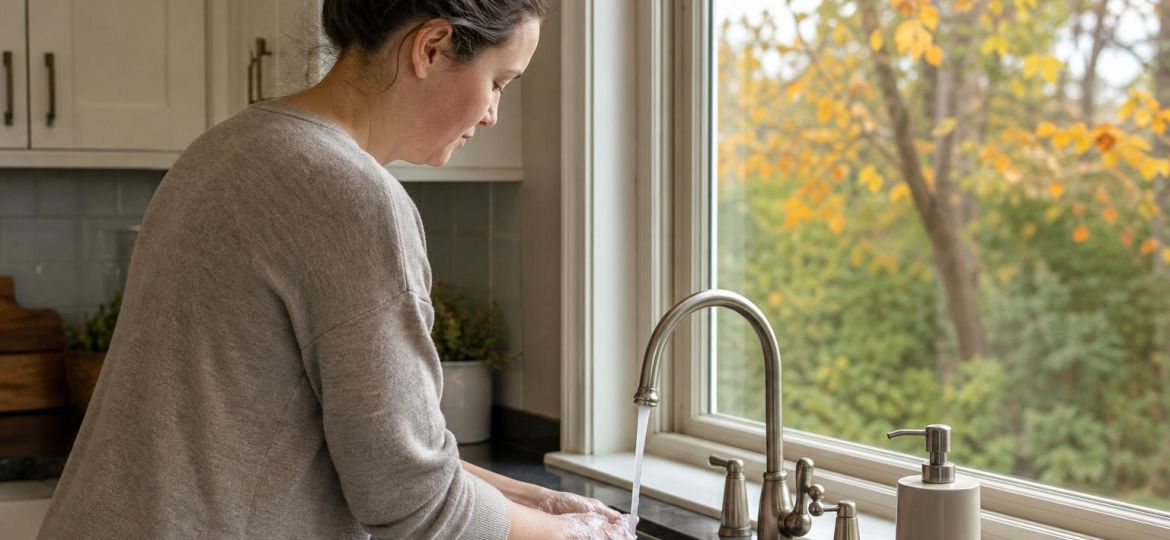
- Wash your hands often with soap and water for at least 20 seconds, or use hand sanitizer with at least 60% alcohol.
- Cover coughs and sneezes with a tissue or your elbow.
- Avoid touching your eyes, nose and mouth.
- Clean frequently touched surfaces.
3. Improve indoor air
Bringing in fresh air helps reduce the amount of virus in the air. Open windows when you can, use exhaust fans, run your HVAC system with a good filter, or use a portable air purifier with a HEPA filter. Gathering outdoors is safer than indoors.
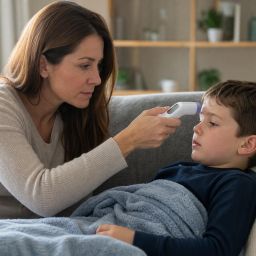
4. Stay home when you’re sick
According to CDC respiratory virus guidance, stay home and away from others when you’re sick. You can return to normal activities once you’ve been fever-free for at least 24 hours without medicine and your symptoms are improving, then take extra precautions for the next few days.
5. Consider a mask in higher-risk situations
A well-fitting mask can reduce your chances of catching or spreading respiratory viruses, especially in crowded indoor places during times of high virus activity, or if you’re at higher risk of severe illness.
6. Test and treat early
Keep home tests on hand. If you get sick and are at higher risk, contact your provider right away. Antiviral treatments for flu and COVID-19 work best when started early.
Extra steps if you have asthma
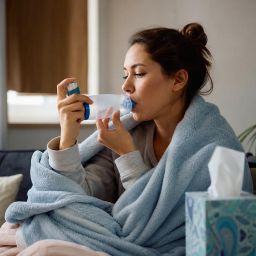
- Keep taking your controller medicines as prescribed, even when you feel well.
- Make sure your asthma action plan is up to date.
- Always carry your rescue inhaler.
- Call your doctor early if you get sick, since respiratory infections are a common trigger for asthma attacks.
Healthy habits help too
Good sleep, regular physical activity, a balanced diet and managing stress all support your immune system. Not smoking and avoiding secondhand smoke protect your lungs.
What this means for you
You don’t need to do everything all the time. Layer protections based on your risk and how much virus is spreading in your community. Older adults and people with chronic conditions may want to use more layers during peak season.
The bottom line
Vaccination, hand hygiene, fresh air, staying home when sick, masks in higher-risk settings and early testing and treatment work together to lower your risk during respiratory virus season.
Common questions
When is respiratory virus season?
In the U.S., flu, COVID-19 and RSV activity usually rises in the fall and peaks in winter, though timing varies each year and COVID-19 can also spread in summer.
Do air purifiers really help?
Portable air purifiers with HEPA filters can reduce airborne particles, including viruses, in a room. They work best combined with other ventilation and prevention steps.
Should I get all my vaccines at once?
Flu, COVID-19 and RSV vaccines can usually be given at the same visit. Some people prefer to space them out. Ask your provider what’s best for you.
This article is for general information and isn’t medical advice. Talk with your healthcare provider about your individual needs.