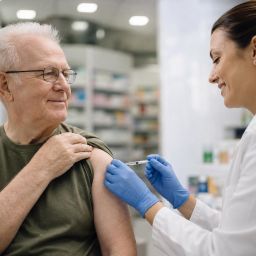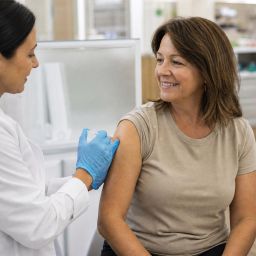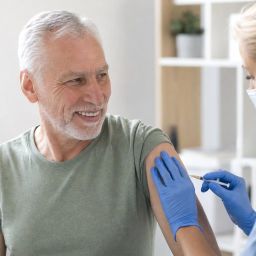
Respiratory syncytial virus (RSV) is often thought of as a childhood illness, and it’s a leading cause of hospitalization in infants. But RSV also causes serious illness in adults, particularly older adults and people with chronic health conditions. Each year, RSV leads to many hospitalizations among older adults in the U.S. Vaccines are now available to help protect those at highest risk.
Symptoms of RSV
In most healthy adults, RSV causes cold-like symptoms:
- Runny nose and congestion
- Cough
- Sore throat
- Fever
- Wheezing
- Headache and fatigue
In higher-risk adults, RSV can lead to pneumonia, worsen asthma, COPD or heart failure, and require hospitalization.
Who is at higher risk?
- Adults 75 and older
- Adults 50 and older with chronic heart or lung disease, including asthma and COPD
- People with weakened immune systems
- People with diabetes with complications, chronic kidney or liver disease, or severe obesity
- Residents of nursing homes and long-term care facilities
Who should get an RSV vaccine?
According to the CDC, RSV vaccination is recommended for:
- All adults 75 and older
- Adults 50 to 74 who are at increased risk of severe RSV
Unlike the flu vaccine, the RSV vaccine is currently given as a single dose, not every year. The best time to get it is typically late summer or early fall, before RSV season, though it can be given at other times.
A note on changing guidance: U.S. federal vaccine recommendations have changed several times since 2025, and some changes have been challenged in court. In 2026, a federal court order kept earlier recommendations in place while the case continues. Medical groups such as the American Academy of Pediatrics (AAP), the American College of Obstetricians and Gynecologists (ACOG) and the American Academy of Family Physicians (AAFP) also publish their own recommendations. Because guidance may change, check with your doctor or pharmacist about what’s recommended for you.
Protecting babies
There are two ways to protect infants from severe RSV:
- A maternal RSV vaccine given during pregnancy, which passes protection to the baby.
- An RSV antibody given to the infant after birth.
Most babies need only one of these. Talk with your obstetrician or your baby’s doctor about which option is best.
If you get RSV
There’s no specific antiviral treatment for RSV in most adults. Care focuses on rest, fluids and managing symptoms. People with asthma should follow their asthma action plan. Seek medical care for trouble breathing, worsening of a chronic condition, or symptoms that don’t improve.
What this means for you
If you’re 75 or older, or 50 or older with a chronic condition like heart disease, lung disease or diabetes, ask your doctor or pharmacist whether an RSV vaccine is right for you. If you’ve already had one, you likely don’t need another for now.
The bottom line
RSV can cause serious illness in older adults and people with chronic conditions. A single RSV vaccine dose is recommended for adults 75 and older and for at-risk adults 50 to 74, and there are options to protect infants as well.
Common questions
Can I get the RSV vaccine with my flu shot?
Yes, RSV vaccines can be given at the same visit as other vaccines, though some people prefer to space them out. Ask your provider.
How is RSV spread?
RSV spreads through droplets from coughs and sneezes and by touching contaminated surfaces and then your face.
Do I need an RSV vaccine every year?
Currently, no. The RSV vaccine for adults is given as a single dose. Experts are studying whether additional doses will be needed in the future.
This article is for general information and isn’t medical advice. Talk with your healthcare provider about your individual needs.