Pneumonia is an infection that inflames the air sacs in one or both lungs, which can fill with fluid or pus. It can range from mild to life-threatening and is a leading cause of hospitalization, especially among older adults. Pneumonia can be caused by viruses, bacteria or fungi, and it’s a common complication of the flu. One of the most common bacterial causes is Streptococcus pneumoniae, also called pneumococcus, and there are vaccines that help prevent it.
Symptoms of pneumonia
- Cough, often with mucus
- Fever, sweating and chills
- Shortness of breath
- Chest pain when breathing or coughing
- Fatigue
- Confusion, especially in older adults
Older adults may have milder or unusual symptoms, such as confusion or a lower-than-normal body temperature.
Who is at higher risk?
- Adults 65 and older and children under 2
- People with chronic conditions such as COPD, asthma, heart disease, diabetes, or liver or kidney disease
- People with weakened immune systems
- People who smoke
- People recovering from the flu or other respiratory infections
Pneumococcal vaccines
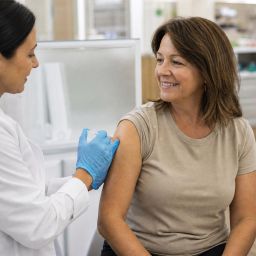
Pneumococcal vaccines protect against the types of pneumococcal bacteria that most often cause serious disease, including pneumonia, bloodstream infections and meningitis.
According to the CDC:
- Adults 50 and older are recommended to get a pneumococcal vaccine.
- Adults 19 to 49 with certain risk conditions, such as chronic heart, lung, liver or kidney disease, diabetes, a weakened immune system or smoking, are also recommended to be vaccinated.
- Children receive pneumococcal vaccines as part of their routine schedule.
For most adults, vaccination involves either a single dose of a newer conjugate vaccine (such as PCV20 or PCV21) or a series of two different vaccines. If you’ve had a pneumococcal vaccine before, your doctor or pharmacist can tell you whether you need another.
A note on changing guidance: U.S. federal vaccine recommendations have changed several times since 2025, and some changes have been challenged in court. In 2026, a federal court order kept earlier recommendations in place while the case continues. Medical groups such as the American Academy of Pediatrics (AAP), the American College of Obstetricians and Gynecologists (ACOG) and the American Academy of Family Physicians (AAFP) also publish their own recommendations. Because guidance may change, check with your doctor or pharmacist about what’s recommended for you.
Other ways to prevent pneumonia
- Get your annual flu vaccine, since flu often leads to pneumonia.
- Ask about COVID-19 and RSV vaccines if recommended for you.
- Don’t smoke.
- Wash your hands regularly.
- Keep chronic conditions well controlled.
When to see a doctor
See a doctor if you have a cough with fever, shortness of breath or chest pain, especially if you’re older or have a chronic condition. Seek emergency care for severe shortness of breath, bluish lips, confusion or a high fever that won’t come down.
What this means for you
If you’re 50 or older, or younger with a chronic condition, ask your doctor or pharmacist whether you’re up to date on pneumococcal vaccination. Keep a record of the vaccines you’ve received.
The bottom line
Pneumonia can be serious, especially for older adults and people with chronic conditions. Pneumococcal vaccines, along with flu and other recommended vaccines, can help prevent it.
Common questions
Does the pneumonia vaccine prevent all pneumonia?
No. It protects against many types of pneumococcal bacteria, but pneumonia can also be caused by viruses and other bacteria.
Do I need a pneumococcal vaccine every year?
No. Most adults need only one or two doses in their lifetime, unlike the annual flu vaccine.
This article is for general information and isn’t medical advice. Talk with your healthcare provider about your individual needs.