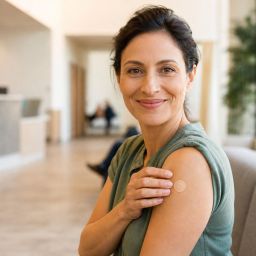
Measles was declared eliminated from the United States in 2000, thanks to widespread vaccination. But the disease has made a major comeback. The U.S. recorded 2,289 measles cases in 2025, and by late October 2026 the count had climbed to more than 4,500, the highest level since elimination. International health officials are scheduled to review in November 2026 whether the U.S. has lost its measles elimination status.
Why measles is so serious
Measles is one of the most contagious diseases known. The virus spreads through the air when an infected person coughs or sneezes and can linger in a room for up to two hours. Up to 9 out of 10 unprotected people who are exposed will become infected.
Symptoms
- High fever
- Cough, runny nose and red, watery eyes
- Tiny white spots inside the mouth
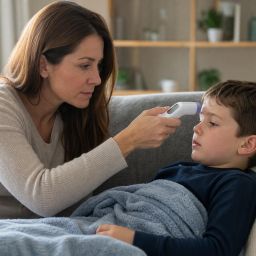
- A rash that starts on the face and spreads down the body, usually 3 to 5 days after symptoms begin
People are contagious from about four days before the rash appears to four days after.
Complications
Measles can cause ear infections and diarrhea, but also serious complications, especially in young children, pregnant people and people with weakened immune systems:
- Pneumonia, the most common cause of measles deaths in children
- Encephalitis (brain swelling), which can cause lasting brain damage
- Death
- Pregnancy complications, including premature birth
- A rare but fatal brain disease that can develop years later
In 2026, about 1 in 10 people with measles in the U.S. were hospitalized, and deaths have been reported.
The MMR vaccine
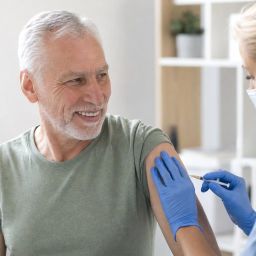
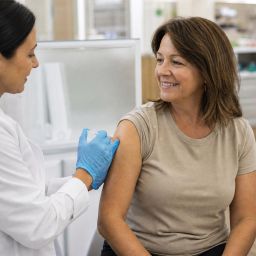
The measles, mumps and rubella (MMR) vaccine is highly effective. Two doses are about 97% effective at preventing measles, and one dose is about 93% effective. Protection is considered lifelong for most people.
- Children: first dose at 12 to 15 months, second dose at 4 to 6 years.
- Infants 6 to 11 months: may get an early dose before international travel or during local outbreaks.
- Adults: those without evidence of immunity should get at least one dose. Some adults, such as healthcare workers, college students and international travelers, need two doses.
A note on changing guidance: U.S. federal vaccine recommendations have changed several times since 2025, and some changes have been challenged in court. In 2026, a federal court order kept earlier recommendations in place while the case continues. Medical groups such as the American Academy of Pediatrics (AAP), the American College of Obstetricians and Gynecologists (ACOG) and the American Academy of Family Physicians (AAFP) also publish their own recommendations. Because guidance may change, check with your doctor or pharmacist about what’s recommended for you.
Do you need a measles vaccine?
You likely have immunity if you:
- Have written documentation of two doses of MMR (or one dose for many adults)
- Were born before 1957
- Have had a blood test showing immunity or confirming past measles infection
If you’re not sure, ask your doctor. Getting another dose of MMR is safe if you’re unsure of your status. See our adult vaccine checklist.
What to do if you’re exposed or have symptoms
Call your doctor or health department before visiting a clinic, so they can take steps to avoid exposing others. If you’re not immune, getting the MMR vaccine within 72 hours of exposure, or immune globulin within 6 days for certain high-risk people, may prevent illness or make it milder.
What this means for you
Check your family’s vaccination records, especially before travel. Make sure children receive both MMR doses on time.
The bottom line
Measles is extremely contagious and can be deadly, and U.S. cases have surged to the highest level in decades. Two doses of the MMR vaccine provide strong, lasting protection.
Common questions
Is the MMR vaccine safe?
Yes. The MMR vaccine has been used for decades and has a strong safety record. Large studies have found no link between MMR and autism.
This article is for general information and isn’t medical advice. Talk with your healthcare provider about your individual needs.