Microplastics are tiny plastic particles less than 5 mm long. Even smaller particles, called nanoplastics, can be too small to see with a regular microscope. They come from plastic breaking down, from food packaging, synthetic clothing, tires and more. They’re now found almost everywhere, including in food, water, air and the human body.
Where they’ve been found
Scientists have detected microplastics in human blood, lungs, placentas, breast milk, arteries and brain tissue. How much is in our bodies, and what it does there, are active areas of research.
What studies have found
- Heart: A 2024 study in the New England Journal of Medicine found microplastics in artery plaque from more than half of patients having surgery to clear neck arteries. Those patients had about 4.5 times the risk of heart attack, stroke or death over the following three years.
- Brain: A 2025 study in Nature Medicine found higher levels of microplastics in brain tissue than in liver or kidney, with levels rising in samples from 2024 compared with 2016. People who had dementia had the highest levels.
- Ongoing research: A 2026 review in Brain Health highlighted rising brain levels and called for more research.
What we don’t know yet
These findings are concerning, but important questions remain:
- Most studies show links, not cause and effect. People with more microplastics might differ in other ways.
- Measuring tiny plastic particles in tissue is technically difficult, and some scientists have questioned whether certain methods overestimate levels.
- It’s unclear what level of exposure, if any, is harmful.
The FDA says current evidence doesn’t show that the levels of microplastics found in food pose a risk to human health, but research is continuing.
Simple ways to cut exposure
You can’t avoid microplastics completely, but these steps may reduce exposure:
- Don’t heat food in plastic. Microwave in glass or ceramic instead.
- Avoid putting plastic containers in the dishwasher.
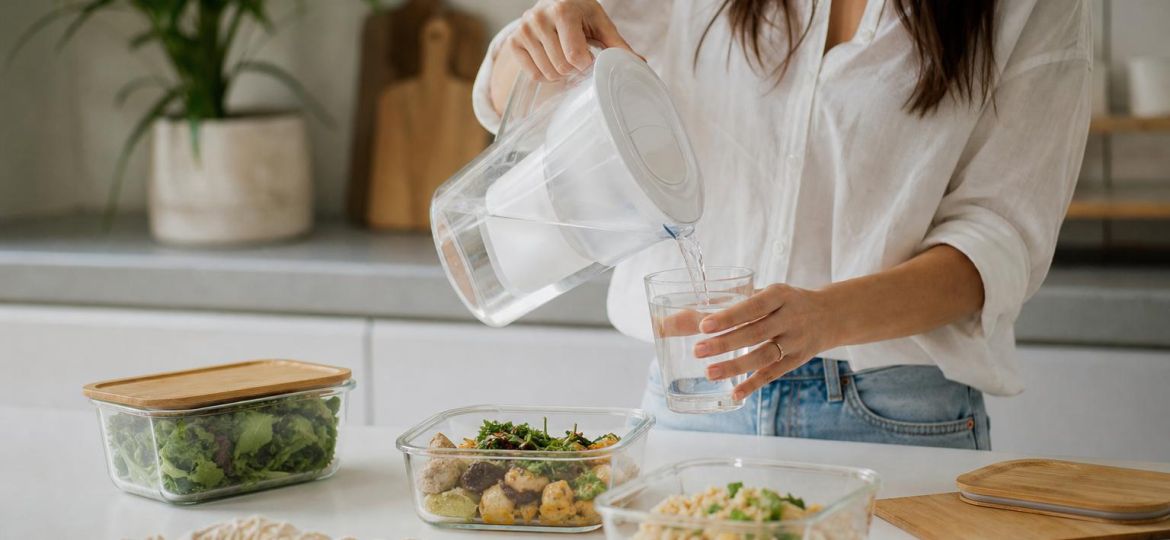
- Drink filtered tap water instead of bottled water, which often contains more particles.
- Store food in glass or stainless steel.
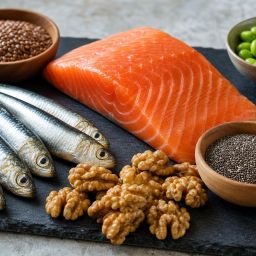
- Choose fresh, less-packaged foods. Cooking at home with whole ingredients, like our sheet pan Mediterranean salmon, helps. See also ultra-processed foods.
- Dust and vacuum regularly with a HEPA filter, since indoor dust contains microplastics.
The bottom line
Microplastics are in our bodies, and early research links them to heart and brain risks. But scientists don’t yet know how harmful they are. Simple, low-cost habits can reduce your exposure while the science catches up.
Common questions
Are some plastics safer than others?
Plastics vary in the chemicals they contain, but all can shed particles, especially when heated or scratched. Reducing heat and wear helps.
Do water filters remove microplastics?
Some do. Reverse osmosis and certain certified carbon filters can remove many microplastic particles. Check the filter’s certification.
Are microplastics in seafood a concern?
Seafood can contain microplastics, especially shellfish eaten whole. Most experts say the nutritional benefits of fish still outweigh the potential risks.
Do microplastics cause cancer?
There’s no evidence yet that microplastics cause cancer in people. Some chemicals used in plastics are under study for health effects.
Are plastic water bottles safe to reuse?
Reusing them occasionally is generally fine, but they shed more particles as they age, scratch or heat up. A stainless steel or glass bottle is a better long-term choice.
Is it worth buying products labeled BPA-free?
BPA-free plastics avoid one chemical, but they can still shed microplastics and may contain similar chemicals. Using less plastic overall, especially with heat, matters more.
This article is for general information and isn’t medical advice. Talk with your healthcare provider about your individual needs.