Asthma flare-ups don’t usually come out of nowhere. They’re often set off by triggers, things in the environment or your daily life that irritate sensitive airways and cause them to swell and narrow. Everyone with asthma has a different set of triggers. Learning yours, and how to avoid or reduce them, is one of the most effective ways to keep asthma under control.
Allergens
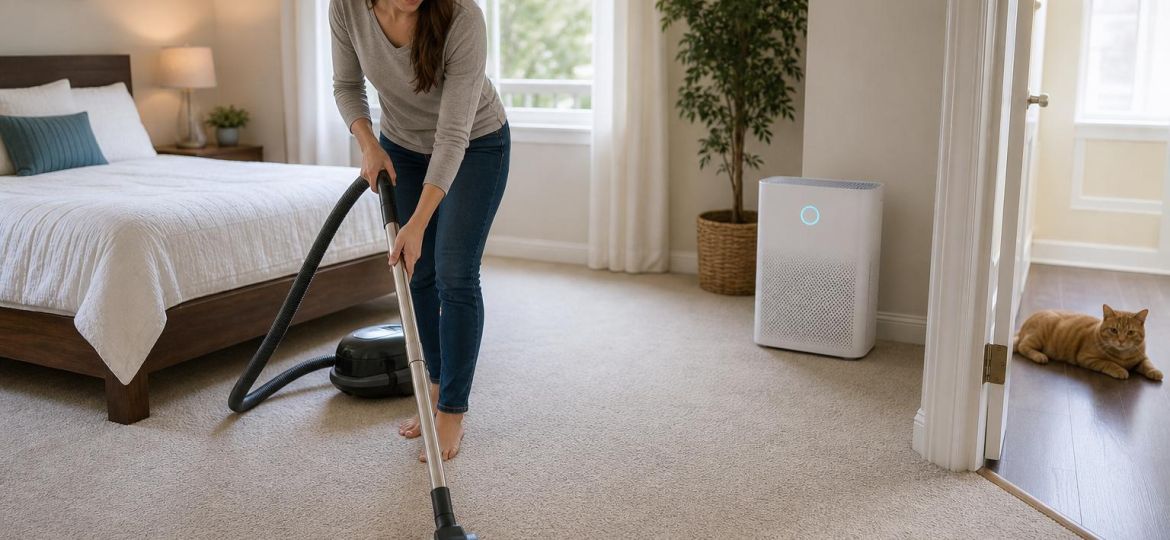
- Dust mites: tiny bugs that live in bedding, carpets and upholstered furniture. Use allergen-proof mattress and pillow covers, wash bedding weekly in hot water and keep humidity below 50%.
- Pet dander: keep pets out of the bedroom and off furniture, and bathe them regularly.
- Mold: fix leaks, use exhaust fans in bathrooms and kitchens and clean visible mold.
- Cockroaches and rodents: keep food sealed, clean up crumbs and use traps or baits rather than sprays.
- Pollen: check pollen forecasts, keep windows closed during high pollen days and shower after being outside.
Irritants
- Tobacco smoke and vaping: one of the most harmful triggers. Don’t smoke, and keep your home and car smoke-free.
- Wood smoke and wildfire smoke: stay indoors with windows closed and use an air purifier on smoky days.
- Air pollution: check the Air Quality Index and limit outdoor activity when it’s high.
- Strong odors and chemicals: perfumes, cleaning products and paint fumes can trigger symptoms. Choose fragrance-free products and ventilate well.
Respiratory infections
Colds, flu, COVID-19 and RSV are among the most common causes of asthma attacks. Wash your hands often, stay up to date on recommended vaccines and follow your action plan if you get sick. Read about asthma and the flu and asthma and COVID-19.
Weather and exercise
- Cold, dry air: cover your nose and mouth with a scarf in cold weather.
- Exercise: physical activity is important, but it can trigger symptoms in some people. Our asthma-friendly workout explains how to warm up and pace yourself. Your doctor may recommend using your rescue inhaler before exercise.
Other triggers
- Strong emotions and stress, which can change breathing patterns
- Certain medicines, such as aspirin or NSAIDs in some people, and some beta blockers
- Acid reflux (GERD)
- Some food additives, like sulfites in wine and dried fruit
How to identify your triggers
Keep a symptom diary noting when and where symptoms occur. Allergy testing can help identify allergic triggers. Your doctor can use this information to update your asthma action plan.
What this means for you
You don’t need to avoid every possible trigger, just the ones that affect you. Focus on the biggest ones first, especially smoke and allergens in your bedroom, where you spend the most time.
The bottom line
Allergens, smoke, pollution, infections, cold air and exercise are common asthma triggers. Identifying and reducing your personal triggers, along with taking your medicines as prescribed, can help prevent flare-ups.
Common questions
Can asthma triggers change over time?
Yes. New allergies can develop, and triggers can change with age, location and health. Review your triggers with your doctor regularly.
Can exercise cause asthma?
Exercise doesn’t cause asthma, but it can trigger symptoms in people who have it. With good control and the right warm-up, most people with asthma can stay active.
Do air purifiers help with asthma?
HEPA air purifiers can reduce airborne allergens and smoke particles indoors, which may help some people with asthma. They work best combined with other trigger-control steps.
This article is for general information and isn’t medical advice. Talk with your healthcare provider about your individual needs.