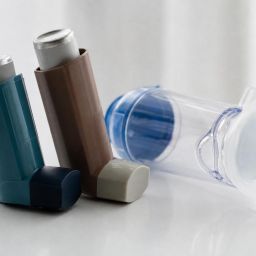
An asthma action plan is a written guide, created with your doctor, that tells you exactly how to manage your asthma day to day and what to do when symptoms get worse. People who use one tend to have fewer emergency visits and better control. Yet many people with asthma don’t have one, or haven’t updated theirs in years.
Why you need an asthma action plan
- It takes the guesswork out of managing symptoms.
- It tells you when to increase medicine and when to get help.
- It helps family members, schools, coaches and caregivers know what to do.
- It gives you a way to track your asthma over time.
The three zones
Most asthma action plans use a traffic-light system:
Green zone: doing well
- No cough, wheeze, chest tightness or shortness of breath
- Sleeping through the night and able to do usual activities
- Peak flow, if you use a meter, is 80% to 100% of your personal best
- What to do: take your daily controller medicines as prescribed and avoid your triggers.
Yellow zone: getting worse
- Coughing, wheezing, chest tightness or shortness of breath
- Waking at night or having trouble with usual activities
- Peak flow 50% to 79% of your personal best
- What to do: use your rescue inhaler as directed, follow your plan’s steps for adding or increasing medicine, and contact your doctor if you’re not back in the green zone within the time your plan specifies.
Red zone: medical alert
- Very short of breath, rescue medicine isn’t helping, or trouble walking or talking
- Lips or fingernails turning blue or gray
- Peak flow below 50% of your personal best
- What to do: use your rescue medicine and call 911 or go to the emergency room right away. See what to do during an asthma attack.
What your plan should include
- Names and doses of your controller and rescue medicines, and when to take them. Learn about rescue vs. controller inhalers.
- Your personal best peak flow, if you use a meter
- Your known triggers
- What to do when you have a cold, flu or COVID-19
- When to call your doctor and when to seek emergency care
- Emergency contact numbers
Using a peak flow meter
A peak flow meter is a small, handheld device that measures how fast you can blow air out of your lungs. It can show narrowing of your airways before you feel symptoms. To find your personal best, measure once or twice a day for two to three weeks when your asthma is well controlled, and record the highest number.
Keep your plan up to date
- Review it with your doctor at least once a year, or after any flare-up, ER visit or medicine change.
- Keep copies at home, at work, in your bag and on your phone.
- Give copies to your child’s school, coaches and caregivers.
What this means for you
If you don’t have an asthma action plan, ask your doctor to create one with you at your next visit. If you have one, check that it’s current and that you understand every step.
The bottom line
An asthma action plan uses green, yellow and red zones to guide your daily care and tell you what to do when symptoms worsen. It’s one of the most powerful tools for staying in control of your asthma.
Common questions
Do I need a peak flow meter?
Not everyone does. Peak flow meters are especially useful for people with moderate to severe asthma or who have trouble sensing when their asthma is worsening.
This article is for general information and isn’t medical advice. Talk with your healthcare provider about your individual needs.