Starting in middle age, adults gradually lose muscle mass and strength, a process that speeds up later in life. Less muscle can make everyday tasks like climbing stairs, carrying groceries and getting up from a chair harder, and it raises the risk of falls. The good news: strength training can slow, stop and even partly reverse this decline at any age.
You don’t need a gym membership, heavy barbells or a personal trainer to get started. Here’s why strength training matters after 50 and how to begin safely.
The benefits of strength training
- Stronger muscles for everyday activities and independence.
- Healthier bones. Resistance exercise puts healthy stress on bones, which can help slow bone loss.
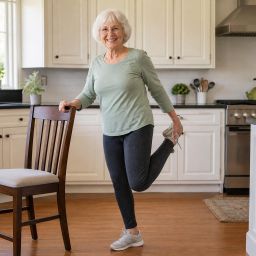
- Better balance and a lower risk of falls.
- Improved blood sugar control, because muscle is one of the body’s main users of glucose.
- Healthier weight, since muscle helps support your metabolism.
- Joint support. Strong muscles around the knees and hips can reduce strain on the joints.
- Better mood and sleep.
How often and how much?
The CDC recommends muscle-strengthening activities on at least 2 days a week that work all major muscle groups. A good starting point is 1 to 2 sets of 8 to 12 repetitions of 6 to 8 exercises. Choose a resistance level that makes the last few reps challenging but still allows good form. Rest at least one day between sessions for the same muscle groups.
Ways to add resistance
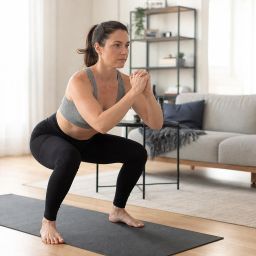
- Body weight: squats, wall push-ups, bridges and step-ups.
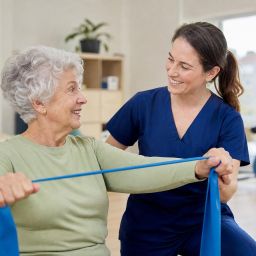
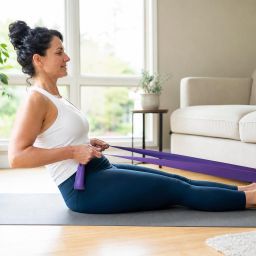
- Resistance bands: inexpensive, portable and gentle on joints.
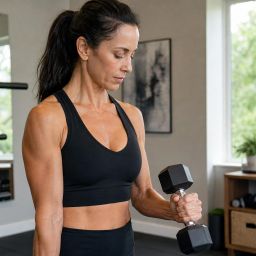
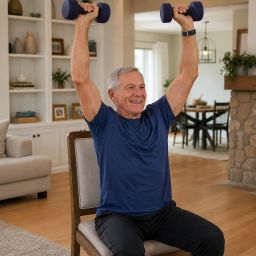
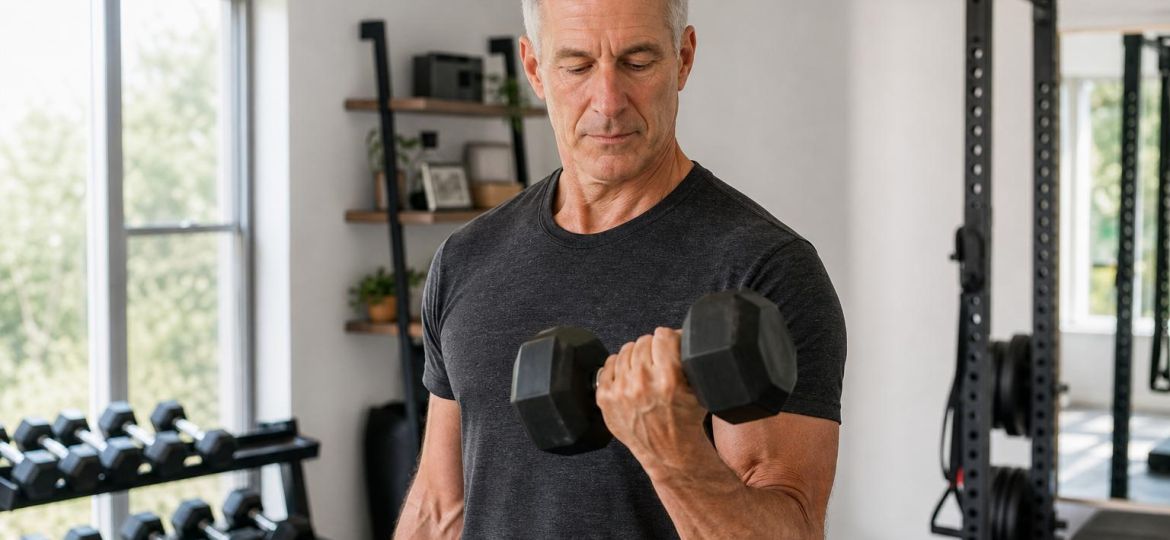
- Dumbbells or household items like water bottles or canned goods.
- Weight machines at a gym, which guide your movement.
Tips for starting safely
- Warm up for 5 minutes with walking or marching in place.
- Learn proper form with light resistance before adding more.
- Move slowly and with control, about 2 seconds up and 2 seconds down.
- Breathe out during the effort and in as you return. Don’t hold your breath.
- Progress gradually, increasing reps first, then resistance.
- Stop if you feel sharp pain, chest pain or dizziness.
Workouts to get you started
- Resistance Band Strength Workout: a full-body routine with one band.
- 20-Minute Beginner Full-Body Workout: no equipment needed.
- Balance and Strength Routine for Older Adults: combines leg strength with balance practice.
What this means for you
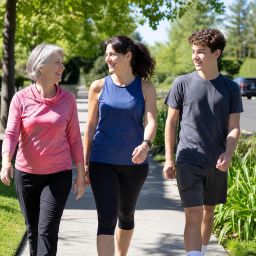
It’s never too late to start. Research shows that adults in their 70s, 80s and beyond can build meaningful strength with regular resistance training. Pair strength work with aerobic activity and enough protein in your diet for the best results.
Check with your doctor before starting if you have heart disease, high blood pressure, osteoporosis, joint replacements or other health conditions. A physical therapist can also help design a safe program.
The bottom line
Strength training twice a week helps protect your muscles, bones, balance and blood sugar as you age. Start light, focus on good form and progress gradually.
Common questions
Will lifting weights make me bulky?
Unlikely. Strength training mostly makes muscles stronger and more toned. Building large muscles takes very specific, intense training and diet.
Is it safe if I have osteoporosis?
Strength training is often recommended for people with low bone density, but some movements, like deep forward bending or twisting, may need to be avoided. Ask your doctor or a physical therapist for guidance.
This article is for general information and isn’t medical advice. Check with your doctor before starting a new exercise program, especially if you have heart disease, diabetes, high blood pressure, joint problems, a lung condition or another health concern. Stop and seek medical help if you feel chest pain, dizziness, faintness or severe shortness of breath.